
 EN
EN
 ar
ar bg
bg hr
hr cs
cs da
da nl
nl fi
fi fr
fr de
de el
el hi
hi it
it ko
ko no
no pl
pl pt
pt ro
ro ru
ru es
es sv
sv tl
tl iw
iw id
id lv
lv lt
lt sr
sr sk
sk sl
sl uk
uk vi
vi et
et hu
hu th
th tr
tr fa
fa ms
ms hy
hy ka
ka ur
ur bn
bn mn
mn ta
ta kk
kk uz
uz ku
ku
NB-IoT DTU
The platform is compatible with hardware devices from different manufacturers, different types, and different models. Devices can transmit data to the Cloud Platform by wired or wireless means. This matters for engineering owners because monitoring systems are often built in stages. A project may begin with a few sensors, then add acquisition modules, wireless transmission, environmental channels, displacement points, strain points, or water-level instruments later. Kingmach NB-IoT DTU gives those devices a shared environment for storage, review, visualization, alarm handling, and reporting.
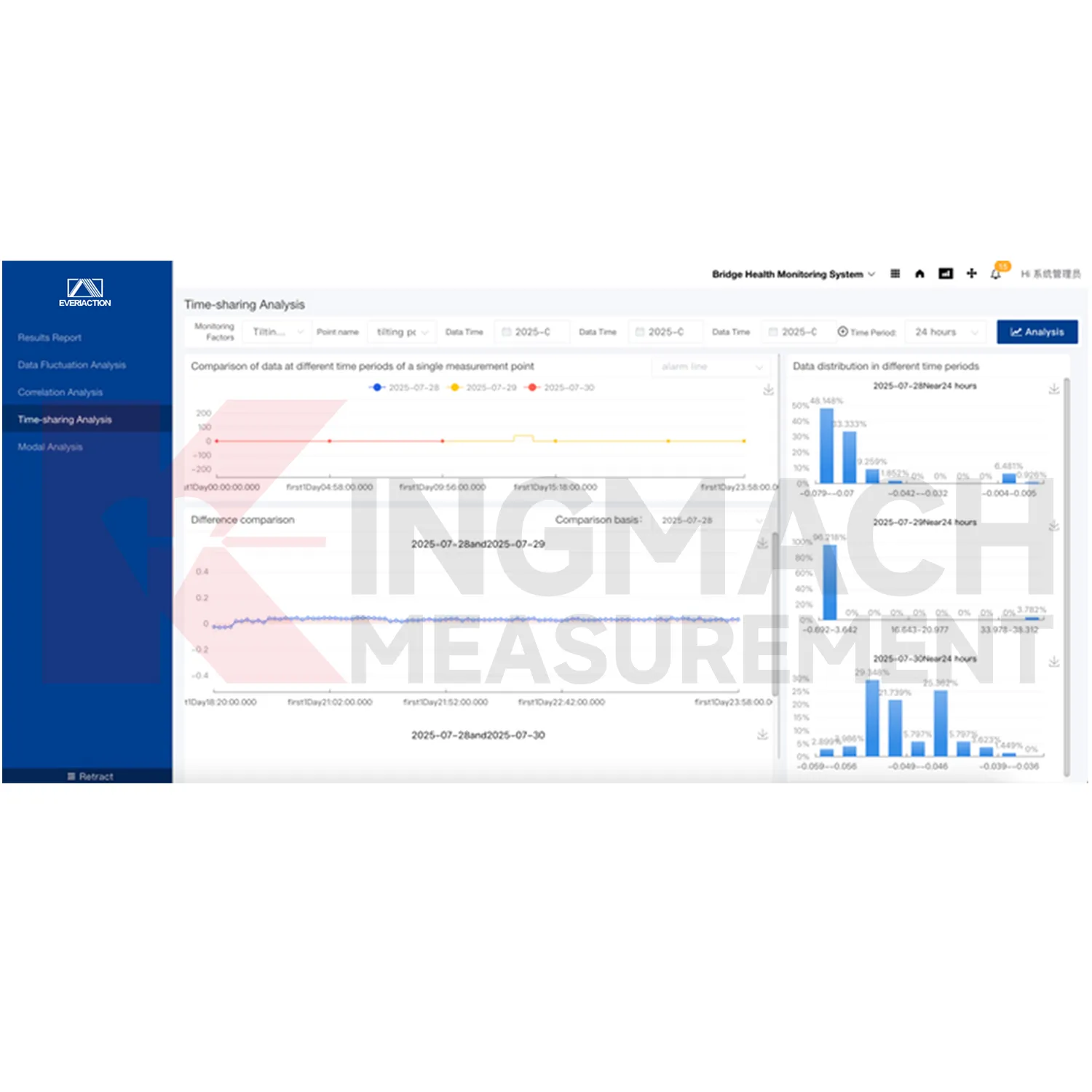
Application of NB-IoT DTU
Tunnel monitoring uses Kingmach NB-IoT DTU to manage deformation, convergence, settlement, water level, vibration, temperature, and construction activity records. Tunnel data can change during excavation, lining work, nearby blasting, drainage changes, or operation. A project-based platform helps compare readings across sections and dates, then connect abnormal values with inspection and maintenance notes. Real-time filtering and alarm configuration help teams respond before a localized issue is hidden inside large volumes of routine data.
The future of NB-IoT DTU
Cloud computing will support wider remote use of Kingmach NB-IoT DTU. Owners and engineering teams may need to review assets from offices, field sites, control centers, or mobile workstations. Cloud-based access helps keep monitoring visible even when the structure is difficult to reach. Remote review will not replace field verification, but it can improve timing. Teams can identify which area needs inspection, what related data should be checked, and which documents should be prepared before arriving on site.
Care & Maintenance of NB-IoT DTU
Before deploying Kingmach NB-IoT DTU, define the project structure, asset names, monitoring points, device types, channel names, alarm levels, user roles, and report needs. A platform is easier to use when the data model matches the actual project. If point names, units, locations, and device IDs are unclear at the start, later trend review and alarm handling become harder. Good setup work creates a stable base for real-time storage, visualization, and long-term project management.
Kingmach NB-IoT DTU
Alarm management is one of the practical strengths of Kingmach NB-IoT DTU. The platform supports flexible alarm rule configuration and can provide detailed fault information in real time when a structure fails or a monitoring value crosses the configured logic. A useful alarm is not just a red mark on a screen; it needs point identity, time, severity, related data, and maintenance reference. By combining alarm rules with project records and monitoring channels, the platform helps teams respond to abnormal behavior with more discipline and less guesswork.
FAQ
Q: How are trend curves used?
A: They help compare current readings with earlier behavior so gradual movement, sudden jumps, or event response can be reviewed.
Q: What does real-time filtering help with?
A: It reduces noisy or distracting records before users study the channel history.
Q: How do alarms guide action?
A: Configured rules point users toward the affected point, severity level, time, and related follow-up record.
Q: What makes reports easier?
A: Stored trends, alarms, project files, and expert review notes can be gathered without rebuilding the evidence manually.
Q: Why is graphical display useful?
A: Graphs help users see movement direction, timing, and abnormal patterns faster than raw tables alone.
Reviews
Matthew Garcia
Instrumentation cables are durable and perform well even in harsh environments. Will definitely order again.
James Thompson
The tiltmeters and accelerometers are very sensitive and provide precise data. Perfect for our structural health monitoring system.
Latest Inquiries
To protect the privacy of our buyers, only public service email domains like Gmail, Yahoo, and MSN will be displayed. Additionally, only a limited portion of the inquiry content will be shown.
Ava***@gmail.comAustralia
Hi, I am looking for reliable tiltmeters and accelerometers for structural health monitoring. Please...
Harper***@gmail.comIndia
Dear Sir, we are planning to procure a complete monitoring system including strain gauges, tiltmeter...