
 EN
EN
 ar
ar bg
bg hr
hr cs
cs da
da nl
nl fi
fi fr
fr de
de el
el hi
hi it
it ko
ko no
no pl
pl pt
pt ro
ro ru
ru es
es sv
sv tl
tl iw
iw id
id lv
lv lt
lt sr
sr sk
sk sl
sl uk
uk vi
vi et
et hu
hu th
th tr
tr fa
fa ms
ms hy
hy ka
ka ur
ur bn
bn mn
mn ta
ta kk
kk uz
uz ku
ku
strain gauge pressure sensors
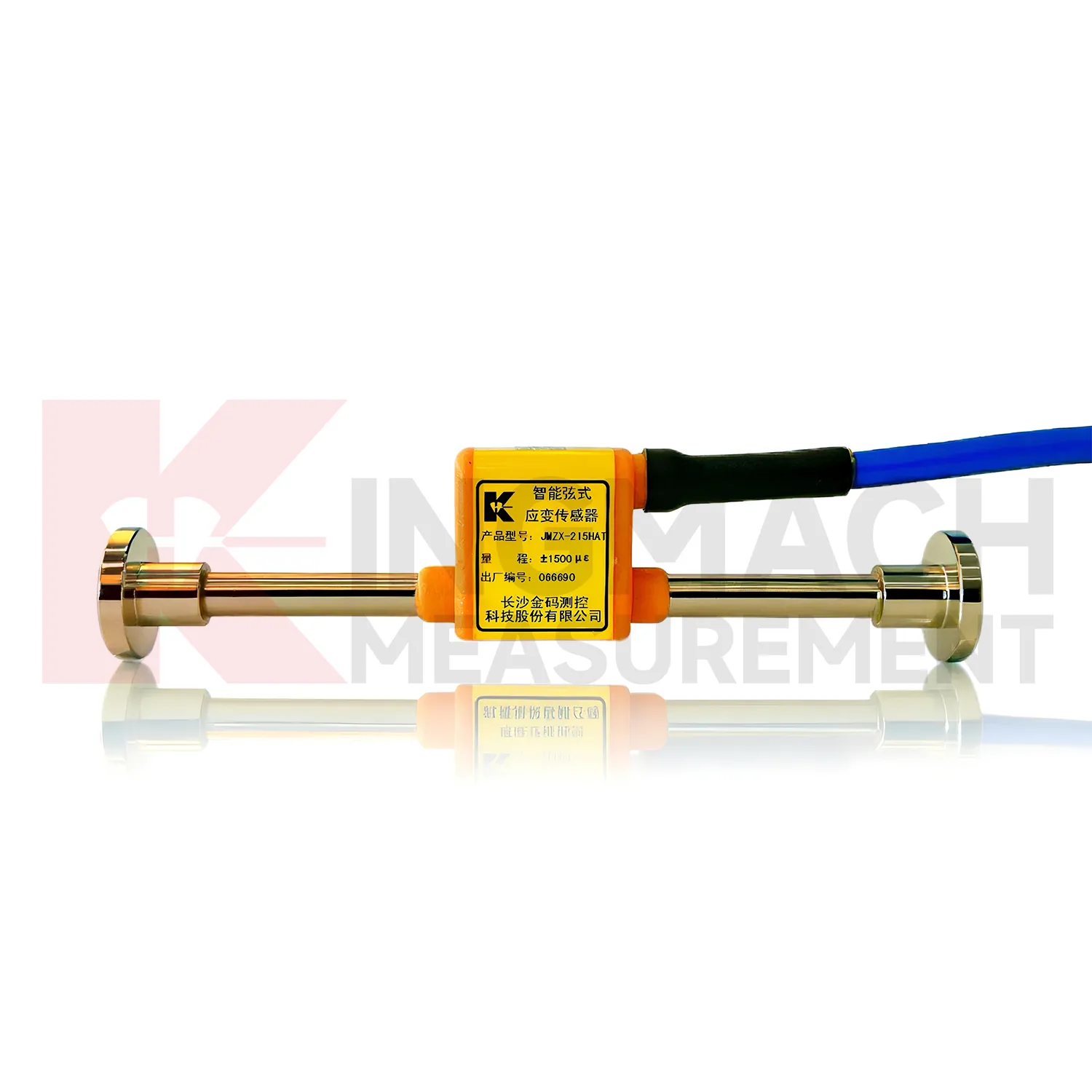
Kingmach {keyword} covers several installation forms for concrete and steel monitoring. The JMZX-215HA/215HAT/HB embedded model is tied to structural rebar or fixed on a mounting bracket before concrete pouring, then used after the concrete reaches the required strength. It is suitable for internal strain measurement in bridges, tunnels, dams, underground structures, piles, and concrete members where surface access is limited. Product parameters include a ±1500 microstrain standard range, 0.5%F.S. strain precision, 0.1 microstrain resolution, and a 146 mm gauge length. The built in high performance exciter uses pulse excitation, giving fast test speed and stable vibrating wire frequency transmission over long distances. A fully sealed stainless steel structure provides waterproof durability up to 150 meters. Kingmach also supports automated acquisition, so the sensor can be used in unattended long term monitoring instead of manual reading only. For projects that need traceable readings, these parameters matter because the sensor may be buried in concrete, fixed on steel, or connected to an unattended data logger for months or years. The combination of range, resolution, waterproofing, and temperature data helps engineers decide where the model fits. That is why model data, calibration values, and channel labels should travel with the product from procurement to commissioning.
Application of strain gauge pressure sensors
In industrial equipment and load testing, {keyword} can be used on presses, cranes, conveyor frames, lifting fixtures, test beams, calibrated force elements, and strain gauge load cell assemblies. The pain point is uneven force distribution, overload, fatigue, or misalignment that may not be visible during operation. Kingmach surface gauges offer 0.5%F.S. strain accuracy and 0.1 microstrain resolution, while the welded model's low height design helps reduce bending deformation errors on steel members. For force related monitoring, strain readings can support load calculation when the mechanical element and calibration method are properly designed. Data can be read through comprehensive readouts or automated acquisition modules, giving maintenance teams a usable record during factory testing, equipment commissioning, or repeated service checks. For procurement teams, the equipment package behind the sensor should be clear: the gauge, cable, readout, acquisition unit, communication device, platform access, and maintenance record. For field use, the strain point should be named, mapped, protected, and reviewed with nearby sensors before any alarm is judged. The same record can support staged construction control, post event inspection, and long term maintenance planning. When data is collected automatically, engineers can compare daily movement instead of relying on occasional manual readings.
The future of strain gauge pressure sensors
For dams, slopes, and remote infrastructure, the future of {keyword} will depend on low power field systems and remote transmission. A sensor installed in a gallery, anchor zone, or mountain slope may be hard to visit after construction. Kingmach's catalog already includes wireless data loggers, DTUs, acquisition modules, and monitoring platforms, which can support remote strain records when power and communication are designed carefully. Future projects may use LoRa, 5G, solar power, and edge storage to keep readings available during bad weather or network interruptions. Strain data will be more useful when it is reviewed with seepage, water level, settlement, and rainfall records instead of sitting alone. That is why product development should connect hardware durability with data quality, including stable frequency signals, protected cabling, timestamped records, and practical alarm rules. That path keeps the technology tied to field decisions, not abstract promises. It also makes sensor data easier to use in owner reports and maintenance meetings.
Care & Maintenance of strain gauge pressure sensors
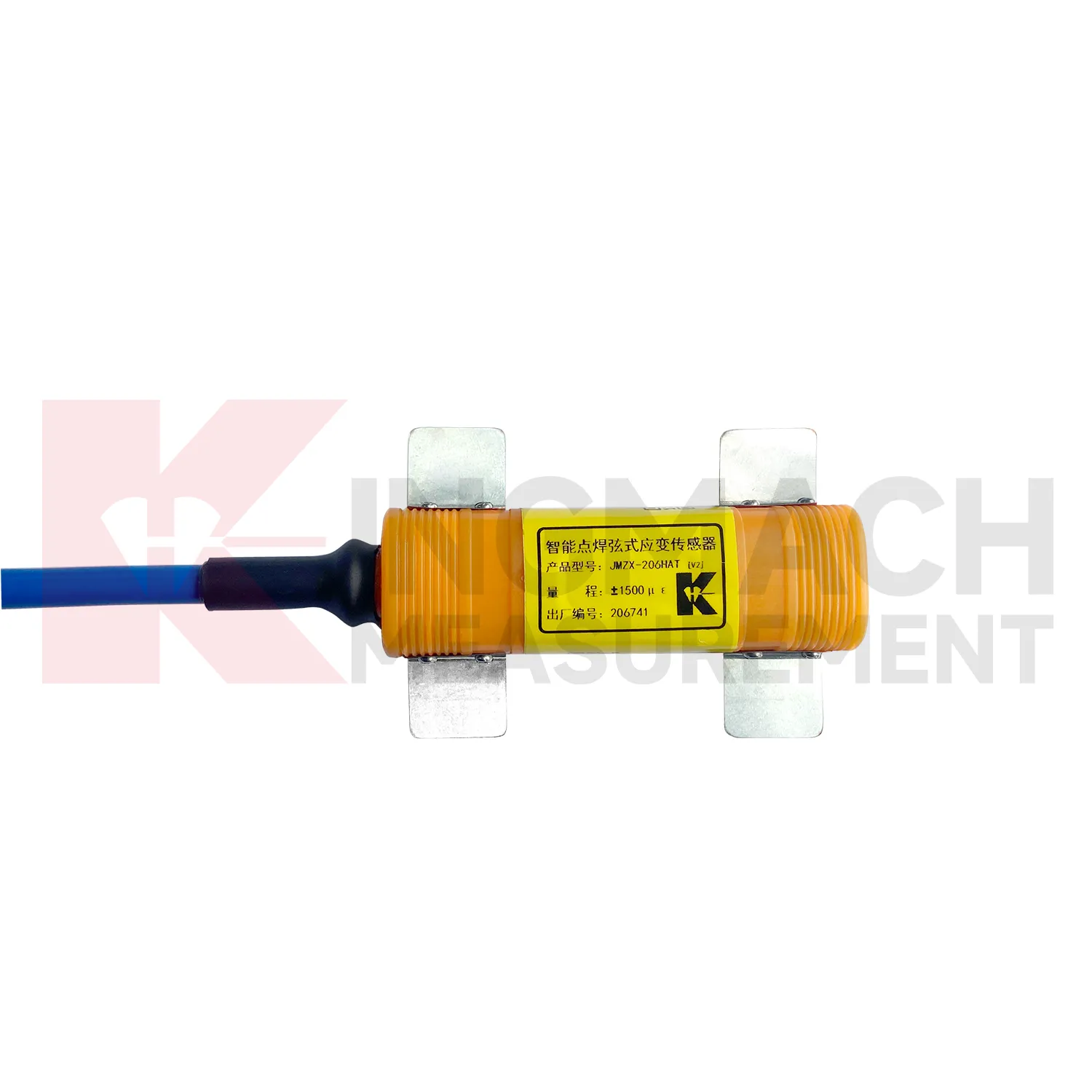
For welded {keyword}, installation quality controls later maintenance effort. The JMZX-206HAT model uses spot welding on a polished 10 x 80 mm flat surface, and the low height design helps reduce strain errors caused by bending deformation. Before installation, remove rust, coating, oil, and uneven surface marks from the welding area. After welding, protect the sensor and cable from impact, grinding, repainting, and heat during nearby work. During operation, inspect the welded area for corrosion, loosened protection, cable strain, and damage after repair activities. The model's -1500 to +2500 microstrain range and 0.1 microstrain resolution can provide useful data only when the welded connection remains stable. For long term contracts, owners should define who reviews baseline drift, who approves recalibration, and who records construction events that may explain unusual strain movement. Replace damaged protection before water reaches the connection. Compare suspicious readings with nearby channels before repair decisions. Keep these checks in the project log.
Kingmach strain gauge pressure sensors
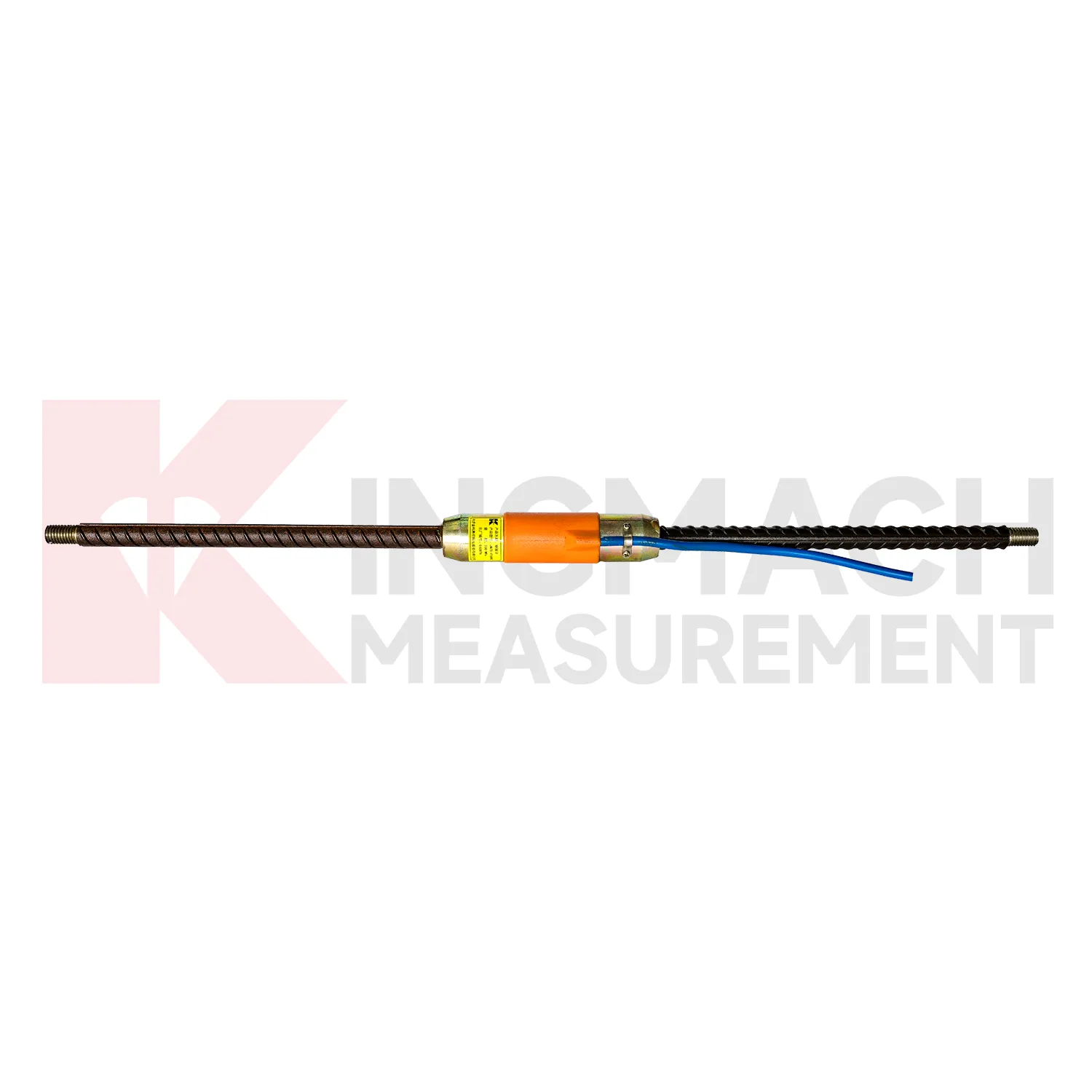
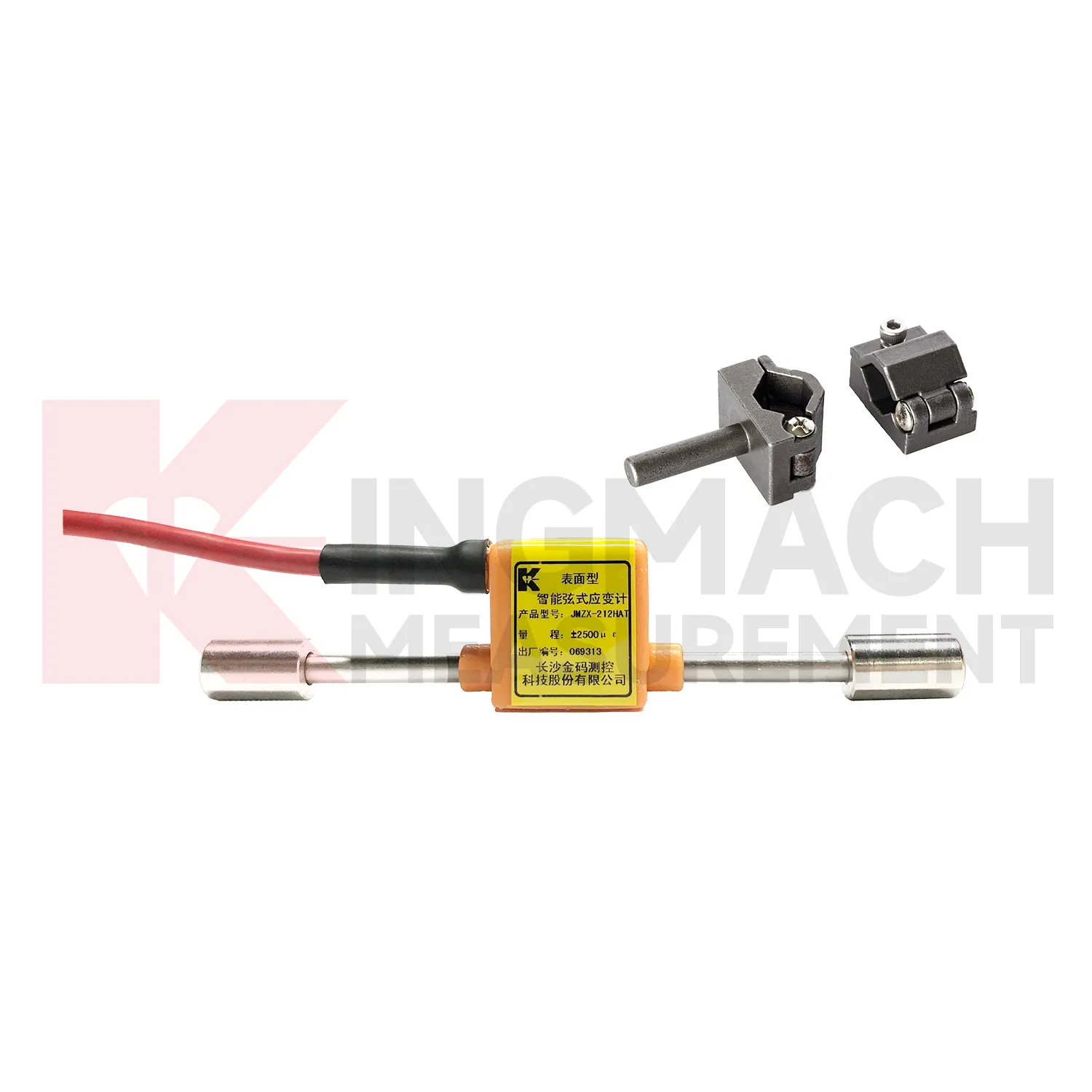
{keyword} is useful because strain is often the first language a loaded structure speaks. It may not show a crack, settlement mark, or visible deflection at the beginning, but the measured strain can already reveal how stress is moving through the member. Kingmach products such as JMZX-212HAT/HB surface models, JMZX-215HA/215HAT/HB embedded models, JMZX-206HAT welded models, and JMZX-4XXHAT/HB rebar strainmeters cover different installation conditions. That range allows engineers to monitor exposed concrete, internal reinforcement, welded steel surfaces, and rebar stress in reinforced concrete. The reading can support load testing, construction control, fatigue review, and long term structural health monitoring. This makes the product relevant to project owners who need early evidence of stress change before cracks, settlement, or unusual deflection become easier to see. The same data can guide inspection notes and repair timing. Site records matter. That field record supports later inspection. It also gives engineers a cleaner baseline for later comparison.
FAQ
Q: How should {keyword} be maintained?
A: Inspect the sensor protection, cable route, junction boxes, seals, channel labels, and baseline trends. Compare readings with temperature and nearby sensors before judging an alarm.
Q: How often should calibration be checked?
A: Follow project requirements and review calibration before load tests, major construction stages, repair work, or when readings drift without a clear site reason.
Q: What causes unstable readings?
A: Common causes include loose wiring, water entry, damaged cable jackets, poor grounding, surface debonding, weak welds, wrong acquisition settings, and real structural movement.
Q: Can the sensor be replaced after embedment?
A: Usually not without structural work, so embedded gauges need careful installation, cable protection, and documentation before concrete is poured.
Q: What records should be kept?
A: Keep model, serial number, calibration coefficients, location, installation photos, cable route, channel name, baseline readings, and maintenance notes.
Reviews
Ryan Lewis
Fast delivery and excellent product quality. The accelerometers and tiltmeters are highly reliable. Strongly recommend this company.
Christopher Martinez
Very satisfied with the readouts & data loggers. User-friendly interface and supports multiple sensor inputs.
Latest Inquiries
To protect the privacy of our buyers, only public service email domains like Gmail, Yahoo, and MSN will be displayed. Additionally, only a limited portion of the inquiry content will be shown.
Amelia***@gmail.comSingapore
Hello, I am looking for visualization software for monitoring system data analysis. Please let me kn...
Mia***@gmail.comNetherlands
Dear team, we are interested in your readouts & data loggers compatible with multiple sensors. Do yo...
Related product categories
- strain gauge sensor module
- strain gauge load cell sensor
- strain gauge and load cell
- load cell and strain gauge
- load cell strain gauge
- strain gauge load cells
- strain gauge manufacturers
- strain gauge suppliers
- strain gauge sensor market
- strain gauge sensor price
- strain gauge weight sensor factory
- strain gauge weight sensor suppliers