
 EN
EN
 ar
ar bg
bg hr
hr cs
cs da
da nl
nl fi
fi fr
fr de
de el
el hi
hi it
it ko
ko no
no pl
pl pt
pt ro
ro ru
ru es
es sv
sv tl
tl iw
iw id
id lv
lv lt
lt sr
sr sk
sk sl
sl uk
uk vi
vi et
et hu
hu th
th tr
tr fa
fa ms
ms hy
hy ka
ka ur
ur bn
bn mn
mn ta
ta kk
kk uz
uz ku
ku
strain gauge wheatstone
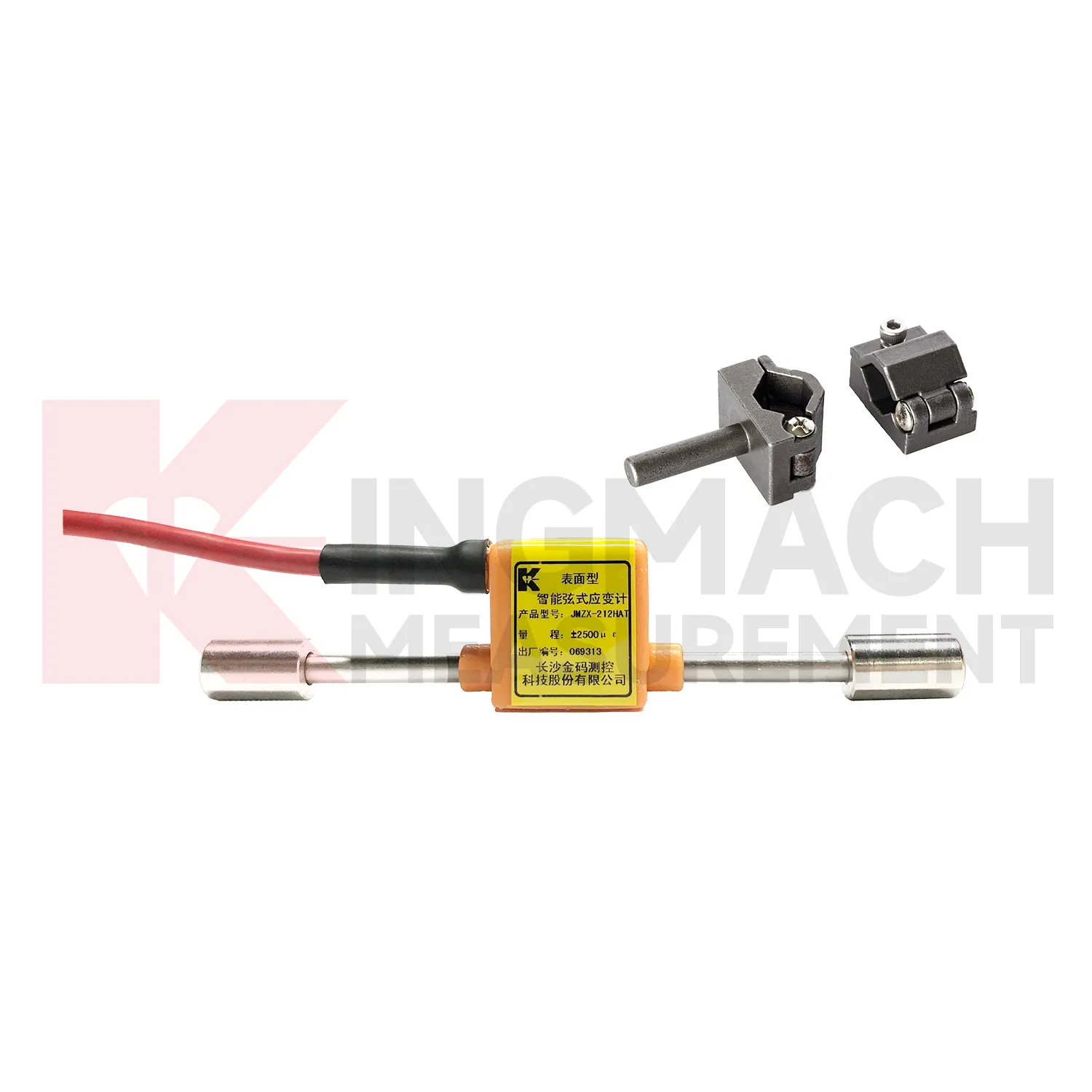
Kingmach {keyword} is designed for engineering strain monitoring where stable readings, field durability, and system compatibility matter. The JMZX-212HAT/HB surface model measures concrete or steel surface strain with a standard range of ±2500 microstrain, 0.5%F.S. strain accuracy, 0.1 microstrain resolution, and a 129 mm gauge length. Its vibrating wire structure uses welded anchoring and built in tension, which helps maintain reliable fixation without depending on shear resistance from the mounting base. The stainless steel fully sealed structure is rated for waterproof performance at depths up to 150 meters, making it suitable for wet or exposed field locations. When used with Kingmach comprehensive readout units or automated acquisition systems, readings can be displayed as physical values or frequency in Hz. The temperature version includes a built in temperature sensor, with a thermometer range from -40℃ to +120℃ and ±0.5℃ temperature measurement accuracy for strain correction. These details give procurement and engineering teams enough information to compare the product against site needs such as measuring range, waterproofing, temperature correction, installation method, and acquisition compatibility. They also keep the specification tied to tested product data instead of loose performance assumptions. A clear specification record reduces confusion when the same project uses surface, embedded, welded, and rebar based instruments together.
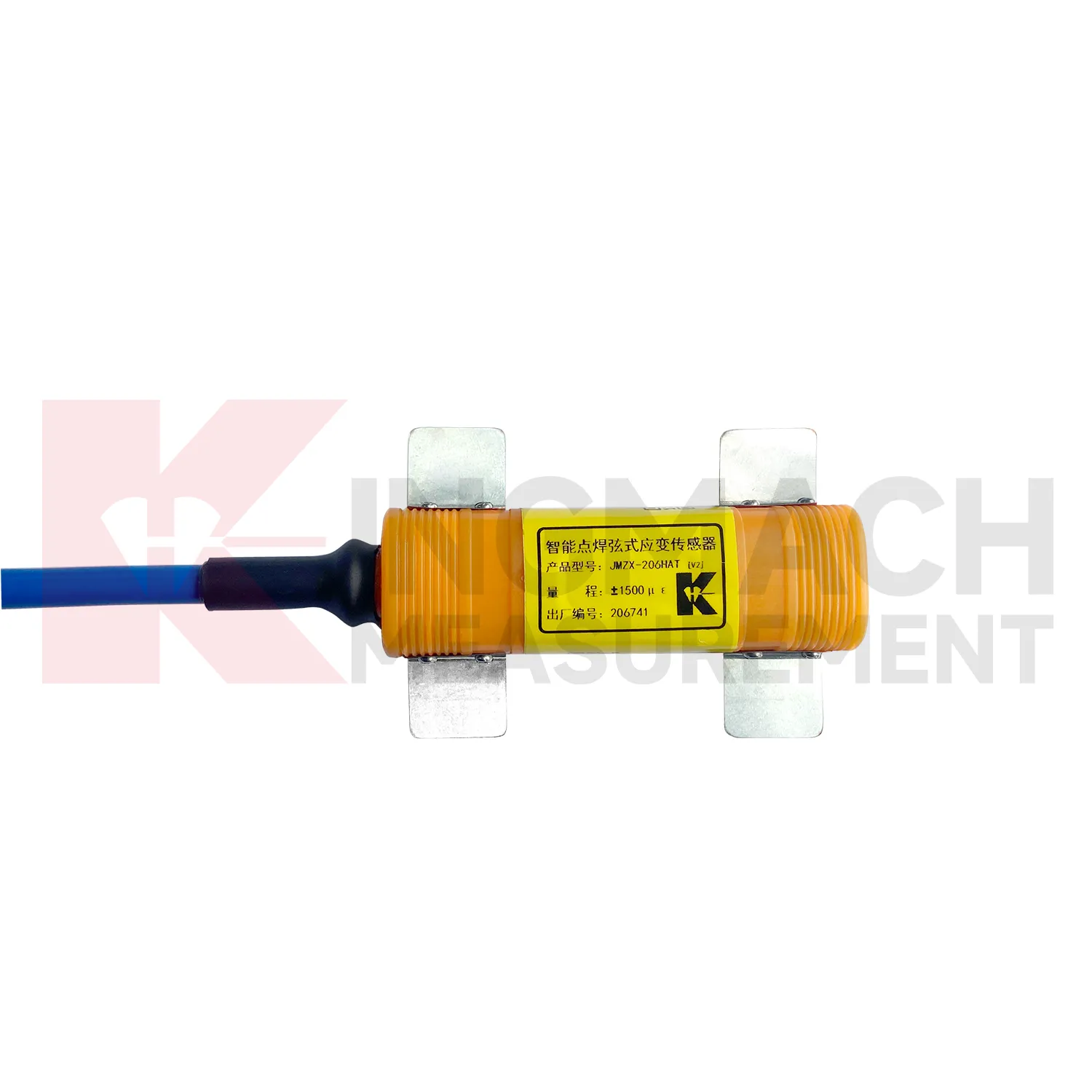
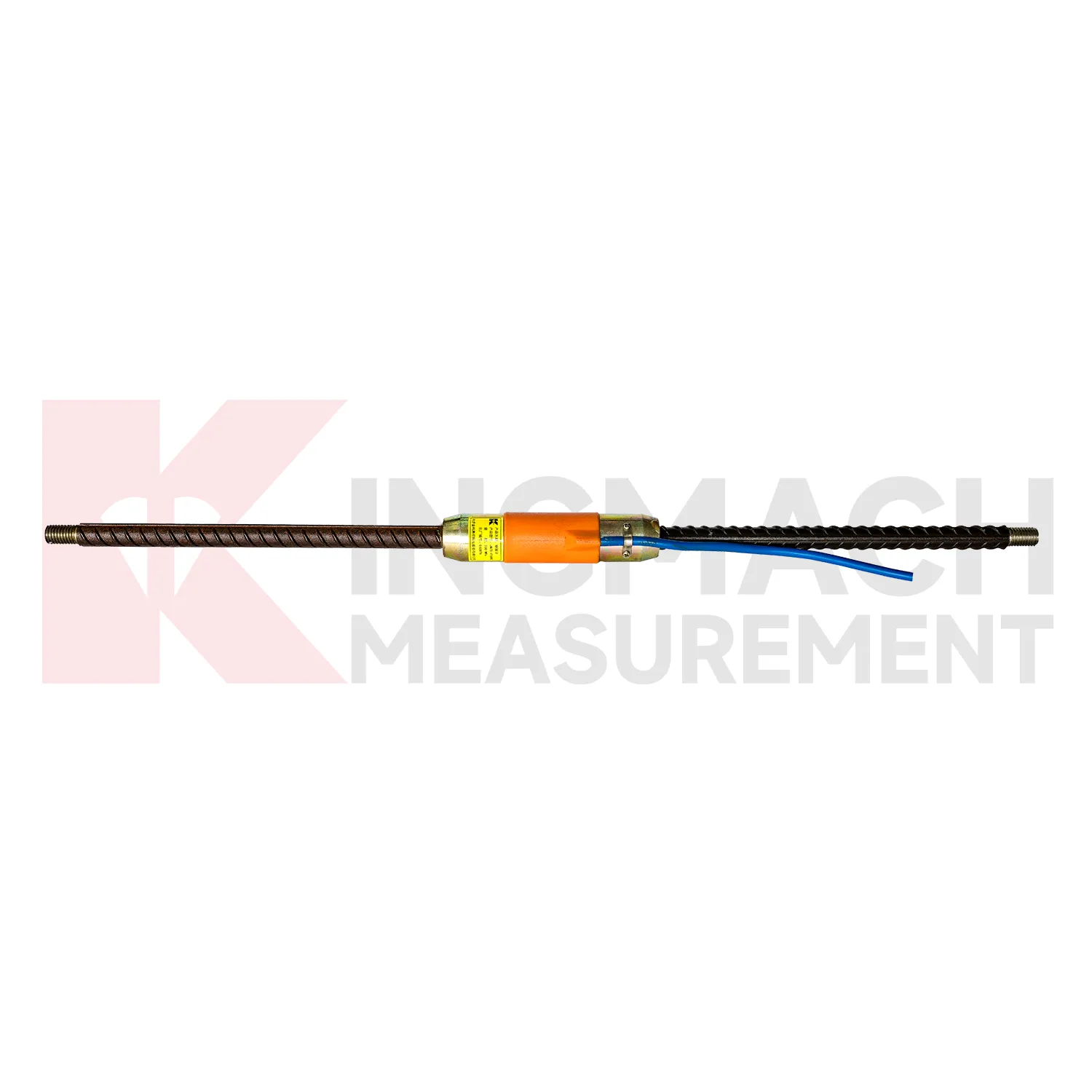
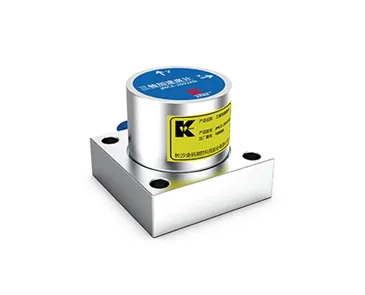
Application of strain gauge wheatstone
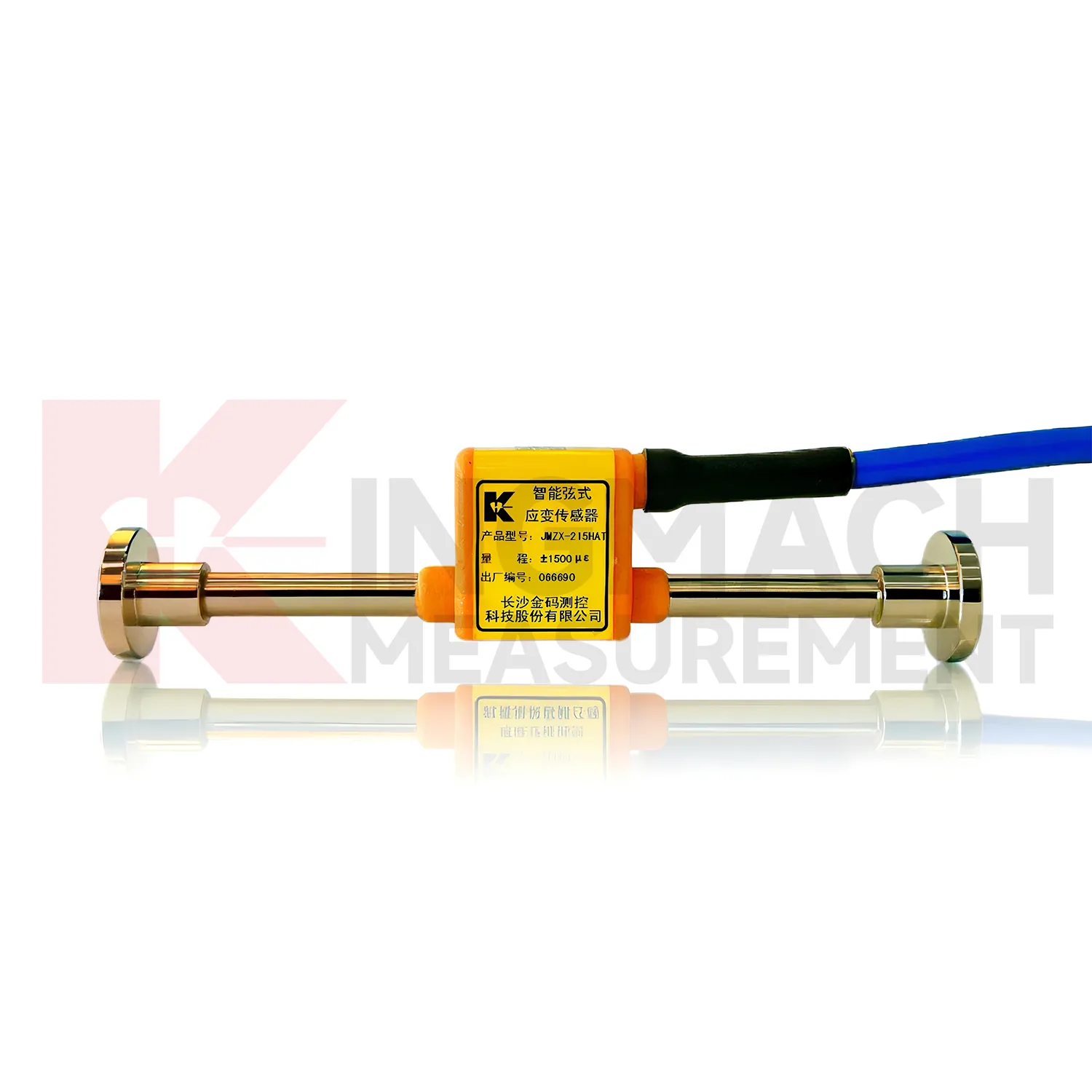
For online structural health monitoring, {keyword} can be connected with readouts, acquisition modules, DTUs, wireless loggers, and platforms such as Kingmach's Engineering Pulse system. The practical need is continuous data from difficult locations: bridge girders, tunnel linings, dam galleries, reinforced concrete piles, rail stations, and steel supports. Products such as the JMZX-212HAT/HB and JMZX-215HA/215HAT/HB use vibrating wire frequency signals that can transmit over long distances with strong anti interference performance. The JMZX-206HAT welded model adds digital detection and onboard record storage. Once the readings are collected in a platform, engineers can compare strain with displacement, settlement, tilt, acceleration, temperature, and water pressure. That comparison helps reduce false alarms and makes inspection decisions more evidence based. The main advantage is measured evidence at the point where stress is expected to change, giving owners a cleaner basis for inspection, reinforcement, load control, or continued operation. The same record can support staged construction control, post event inspection, and long term maintenance planning. When data is collected automatically, engineers can compare daily movement instead of relying on occasional manual readings. This gives the project team a better way to separate normal behavior from a change that needs inspection. For field use, the strain point should be named, mapped, protected, and reviewed with nearby sensors before any alarm is judged.
The future of strain gauge wheatstone
Installation quality will also become more visible in the future of {keyword}. Many strain monitoring failures begin with poor surface preparation, weak welding, cable damage, water entry, or unclear channel labeling. Smart acquisition systems can help by checking unstable readings, abnormal signal behavior, or sudden baseline shifts soon after installation. Kingmach's welded model already stores calibration coefficients and sensor identity, while temperature versions support correction at the monitoring point. Future field tools may combine these details with mobile installation records, QR codes, and automatic channel registration. That will not make installation effortless, but it will make mistakes harder to hide and easier to correct before the structure enters service. For project owners, the benefit is a monitoring network that explains behavior sooner and keeps records organized enough for later inspection, repair planning, and asset management. It also makes sensor data easier to use in owner reports and maintenance meetings. The strongest gains will come from cleaner records and faster fault checks.
Care & Maintenance of strain gauge wheatstone
Waterproofing needs regular attention when {keyword} is used in tunnels, dams, foundations, slopes, and buried reinforced concrete. Kingmach surface and embedded vibrating wire models use fully sealed stainless steel structures with waterproof performance up to 150 meters, while JMZX-4XXHAT/HB rebar strainmeters provide 2 MPa waterproof performance. These ratings help, but they do not remove the need for field checks. During installation, seal transitions, protect cable exits, and keep connectors above standing water when possible. During operation, inspect for damaged jackets, loose conduit, corrosion, mud blockage, and water paths along cables. If readings become unstable after rainfall, excavation, or repair work, check the cable and junction route before replacing the sensor. For procurement teams, these maintenance details should be reviewed before ordering cables, protective accessories, readouts, and acquisition cabinets, not after the first unstable reading appears. Replace damaged protection before water reaches the connection. Compare suspicious readings with nearby channels before repair decisions.
Kingmach strain gauge wheatstone
{keyword} is used when a structure needs measured strain data instead of a visual guess. On steel, concrete, reinforcement, or a calibrated force element, it follows tiny deformation and turns that movement into a reading that engineers can compare over time. Kingmach applies this measurement approach in bridges, tunnels, dams, railways, buildings, slopes, and wind towers, where strain changes often appear before visible damage. The product family can cover surface mounted sensors, embedded vibrating wire gauges, weldable steel structure models, and rebar strainmeters. In day to day monitoring, the value is practical: engineers can see whether load transfer is normal, whether stress is concentrating near a joint, and whether long term service is changing the baseline. For project teams, the data path is as important as the sensor point: location records, cable protection, and baseline readings help later inspections stay tied to actual site behavior.
FAQ
Q: What is {keyword} used for?
A: It measures strain, reinforcement stress, or force related deformation in structures such as bridges, tunnels, dams, buildings, slopes, rail systems, wind towers, and industrial frames.
Q: Which Kingmach models are related to this product group?
A: Common models include JMZX-212HAT/HB surface gauges, JMZX-215HA/215HAT/HB embedded gauges, JMZX-206HAT welded gauges, and JMZX-4XXHAT/HB rebar strainmeters.
Q: Can it support long term monitoring?
A: Yes. Kingmach vibrating wire models are designed for long term observation and can work with readouts, automated acquisition systems, and monitoring platforms.
Q: What accuracy is available?
A: Several Kingmach strain gauge models list 0.5%F.S. accuracy, with 0.1 microstrain resolution on surface, embedded, and welded strain gauge models.
Q: Is it suitable for wet sites?
A: Yes, selected models use sealed stainless steel structures with waterproof performance up to 150 meters, while rebar strainmeters list 2 MPa waterproof performance.
Reviews
Andrew Lee
The visualization software is intuitive and powerful. It helps us analyze monitoring data efficiently.
James Thompson
The tiltmeters and accelerometers are very sensitive and provide precise data. Perfect for our structural health monitoring system.
Latest Inquiries
To protect the privacy of our buyers, only public service email domains like Gmail, Yahoo, and MSN will be displayed. Additionally, only a limited portion of the inquiry content will be shown.
Charlotte***@gmail.comUnited Arab Emirates
Hi, we require instrumentation cables suitable for harsh environments. Could you advise on specifica...
Evelyn***@gmail.comSouth Africa
Hi, we are a contractor working on tunnel construction and need settlement sensors and displacement ...
Related product categories
- strain gauge sensor module
- strain gauge load cell sensor
- strain gauge and load cell
- load cell and strain gauge
- load cell strain gauge
- strain gauge load cells
- strain gauge manufacturers
- strain gauge suppliers
- strain gauge sensor market
- strain gauge sensor price
- strain gauge weight sensor factory
- strain gauge weight sensor suppliers