
 EN
EN
 ar
ar bg
bg hr
hr cs
cs da
da nl
nl fi
fi fr
fr de
de el
el hi
hi it
it ko
ko no
no pl
pl pt
pt ro
ro ru
ru es
es sv
sv tl
tl iw
iw id
id lv
lv lt
lt sr
sr sk
sk sl
sl uk
uk vi
vi et
et hu
hu th
th tr
tr fa
fa ms
ms hy
hy ka
ka ur
ur bn
bn mn
mn ta
ta kk
kk uz
uz ku
ku
String Potentiometer
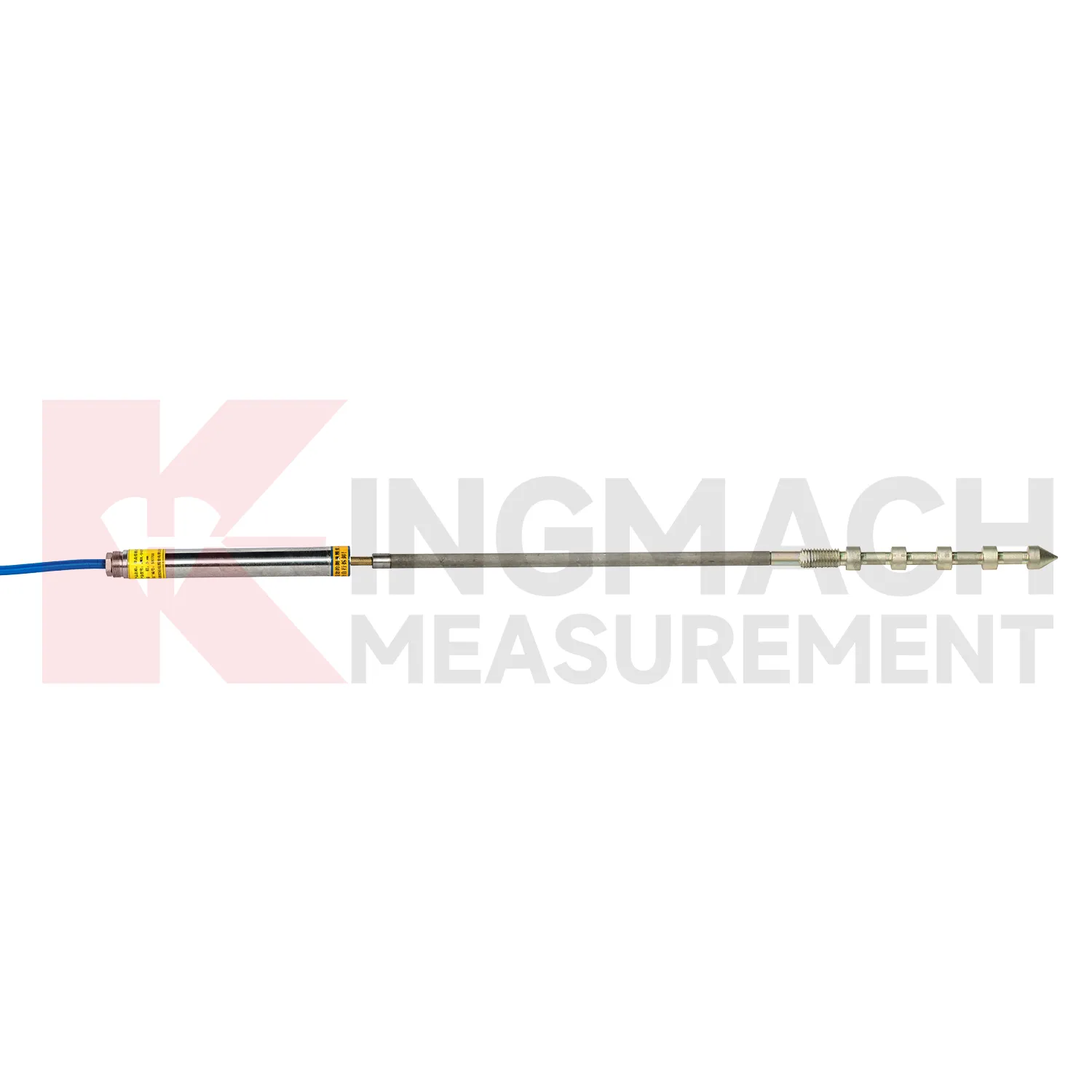
Kingmach String Potentiometer include the JMDL-31XXAT Smart Multipoint Displacement Meter for tunnels, rock slopes, foundation pits, and surrounding rock layers. The product uses displacement gauges, PVC measuring rod protective tubes, anchor heads, and multipoint installation kits that support three to five monitoring points. Installation is performed by drilling and grouting, with anchor heads fixed at different depths so each layer can be observed separately. Listed models include 50 mm, 100 mm, and 200 mm ranges, all with 0.01 mm resolution. The sensing principle uses an LC oscillation circuit: as the measuring rod moves inside the coil, magnetic reluctance and inductance change, causing the output frequency to change in a linear relationship with displacement. Because the rod and coil work without contact, the structure is less vulnerable to mechanical damage during installation. The built-in memory stores model, serial number, calibration coefficients, and up to 600 measurement records for later traceability. During project setup, the measuring point should be matched with the expected travel direction, available mounting space, cable route, and required acquisition interval. This prevents a short-range joint instrument from being used on a long-travel point, or an exposed sensor from being placed where an embedded anchor is needed. It also helps the monitoring team set a baseline that can be defended during acceptance and later maintenance review.
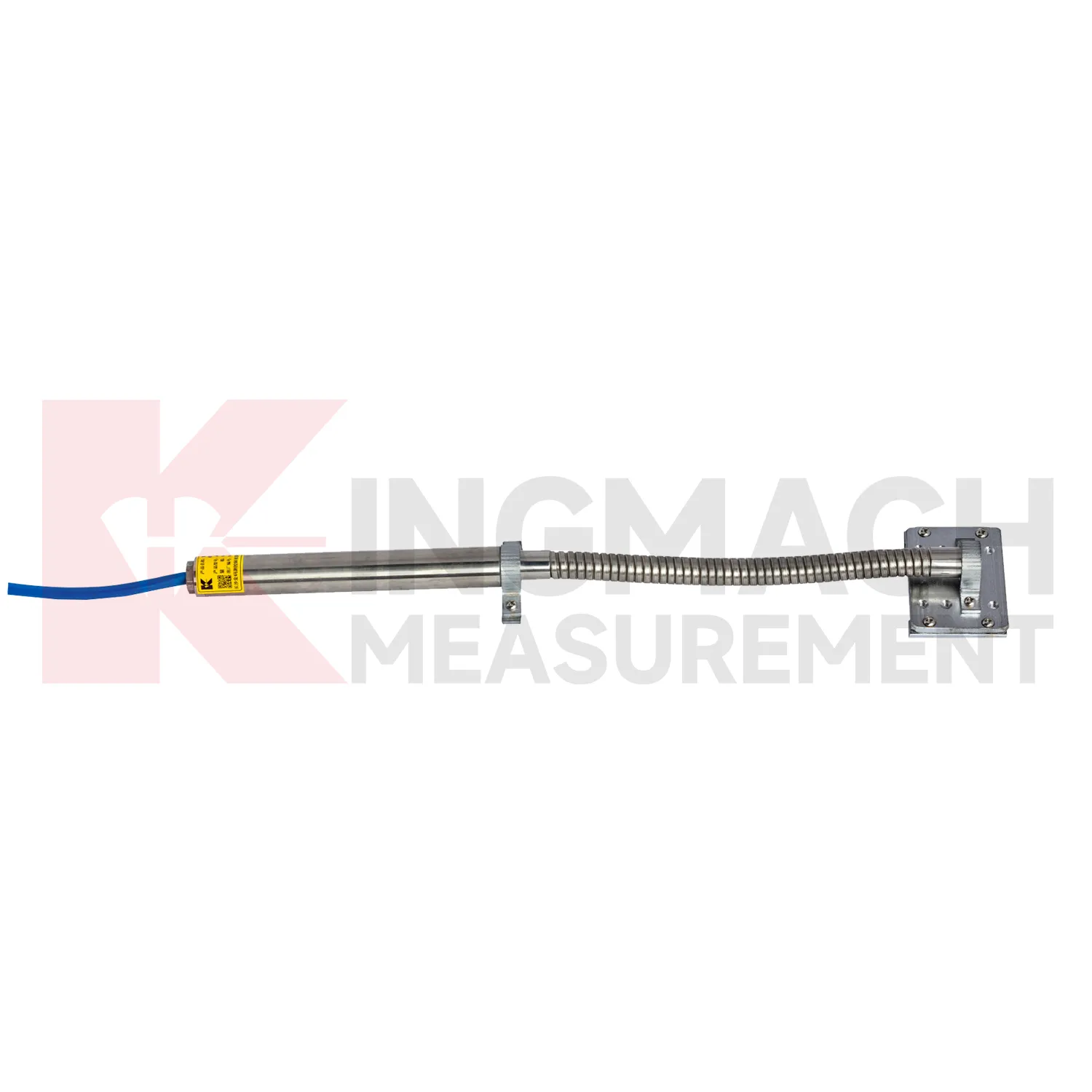
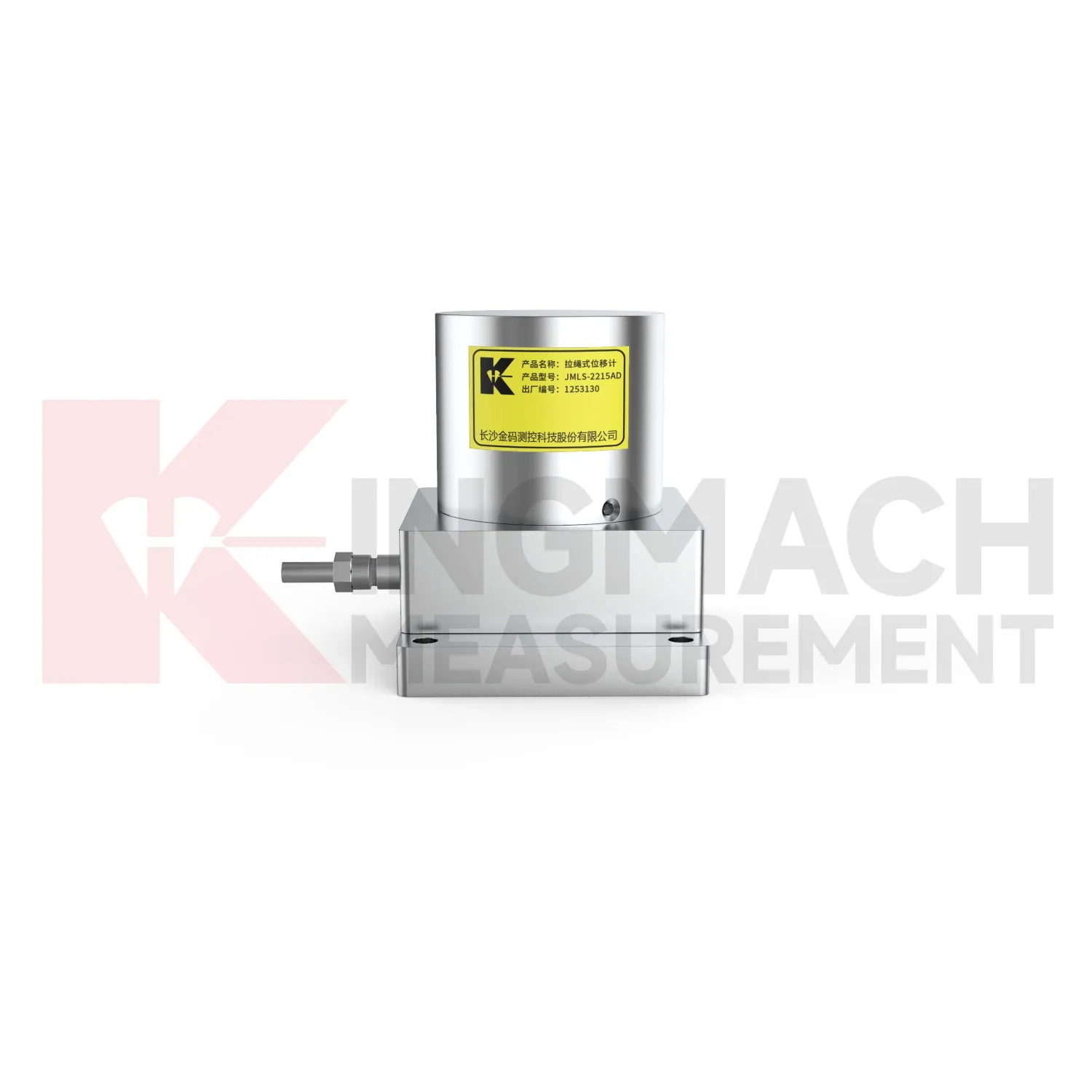
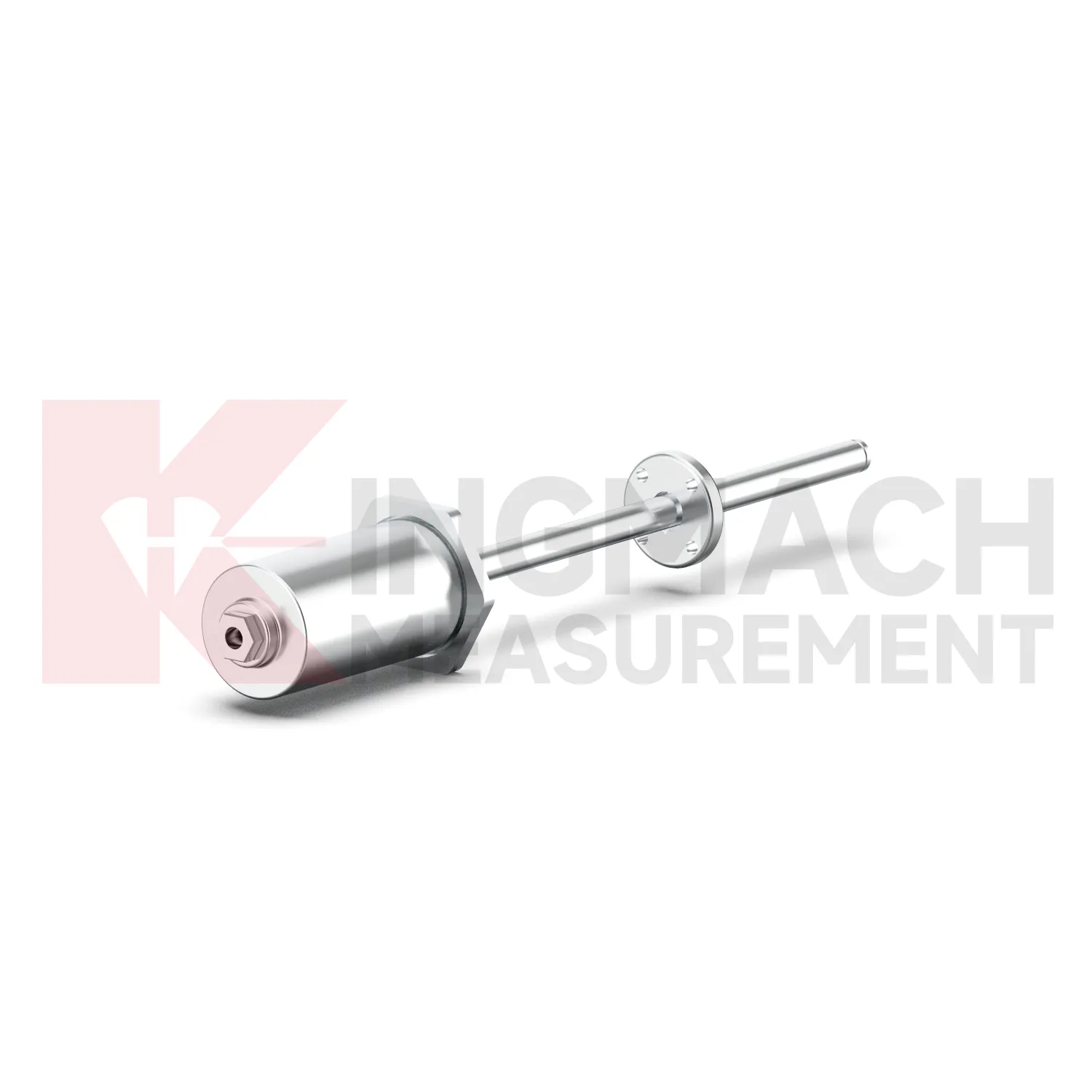
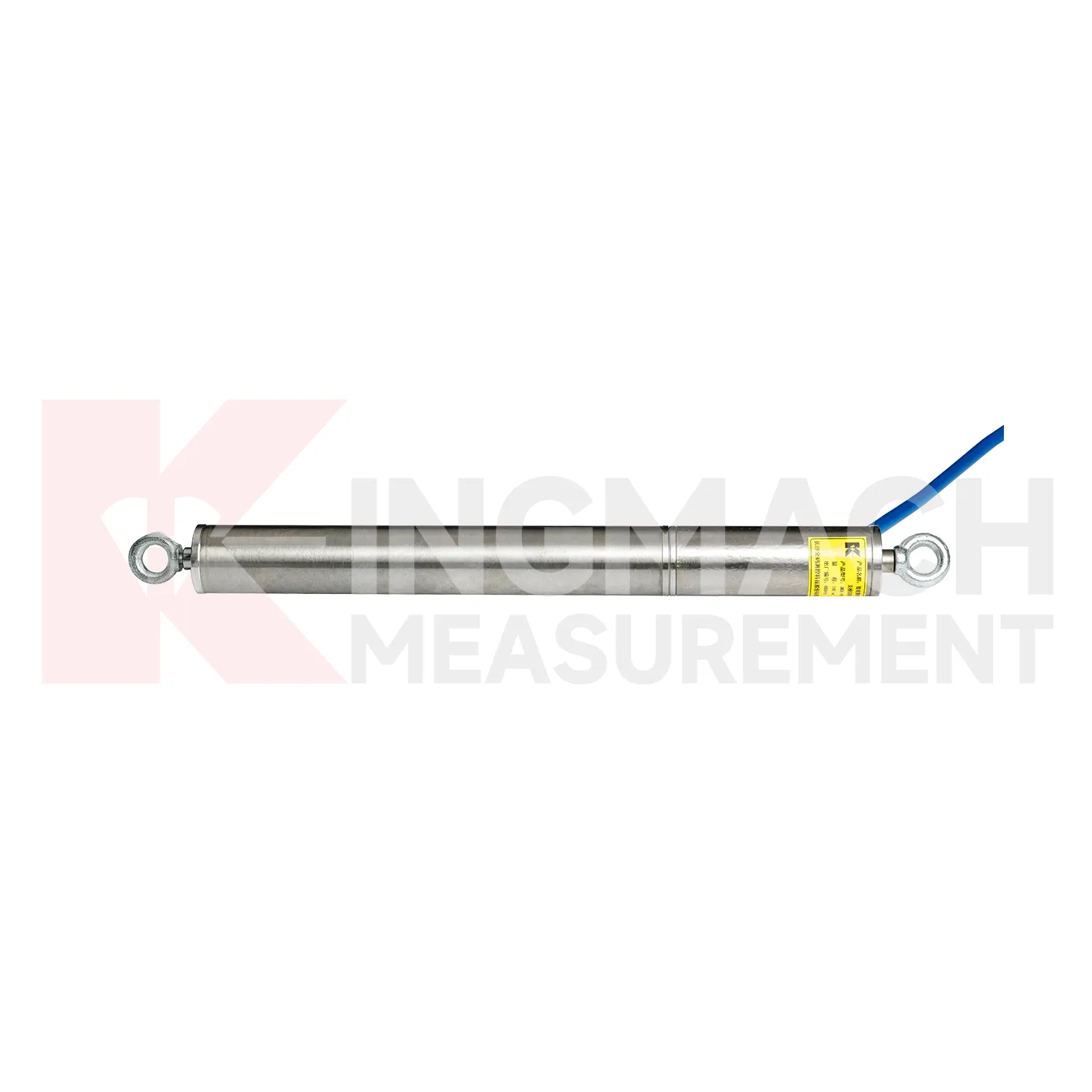
Application of String Potentiometer
In industrial automation and equipment monitoring, String Potentiometer are used for hydraulic cylinder stroke, machine tool positioning, gate movement, construction machinery displacement, and linear motion control. The site pain point is different from civil monitoring: readings must often be fast, absolute, repeatable, and resistant to wiring mistakes or mechanical wear. Kingmach JMCW-21XXADT magnetostrictive meters provide non-contact absolute displacement measurement over 0 to 1000 mm, 0.01 mm resolution, plus or minus 0.05%FS accuracy, RS485 communication, IP67 protection, average current below 60 mA, and reverse polarity protection up to -36V. For equipment with cable travel, JMLS-22XXADT wire rope sensors provide 500 mm, 1000 mm, and 2000 mm ranges with 0.2%FS accuracy and compact dimensions of 115 mm by 85 mm by 100 mm. These products help operators track position drift, stroke limits, gate opening, and machine movement in harsh workshops or outdoor installations. During operation, the monitoring team should keep the baseline, temperature, inspection notes, and nearby sensor behavior in the same review file. This makes it easier to tell whether a movement trend comes from normal service, a repair event, changing load, water influence, or developing structural risk. Clear records also help owners decide when a field inspection is needed instead of waiting for visible damage.
The future of String Potentiometer
Future String Potentiometer will likely place more intelligence at the edge of the monitoring network. Instead of sending every reading to a platform without review, acquisition units can check whether a displacement jump is physically plausible, whether the temperature moved at the same time, and whether nearby channels changed in the same direction. Kingmach smart products already store measurement time, temperature for temperature versions, absolute displacement, relative displacement, and zero-point values on selected models. That local record can support early filtering and field diagnosis. For remote slopes, dams, subgrades, and tunnel portals, this matters because network access may be unstable and maintenance visits may be expensive. Edge checks can flag cable damage, zero drift, sudden water ingress, or installation movement before the data is accepted as structural deformation. The strongest systems will still depend on careful installation, because digital tools cannot correct a loose bracket, wrong range, or poorly recorded baseline. Clear reporting will make displacement monitoring more useful for non-specialist decision makers while preserving the detail engineers need.
Care & Maintenance of String Potentiometer
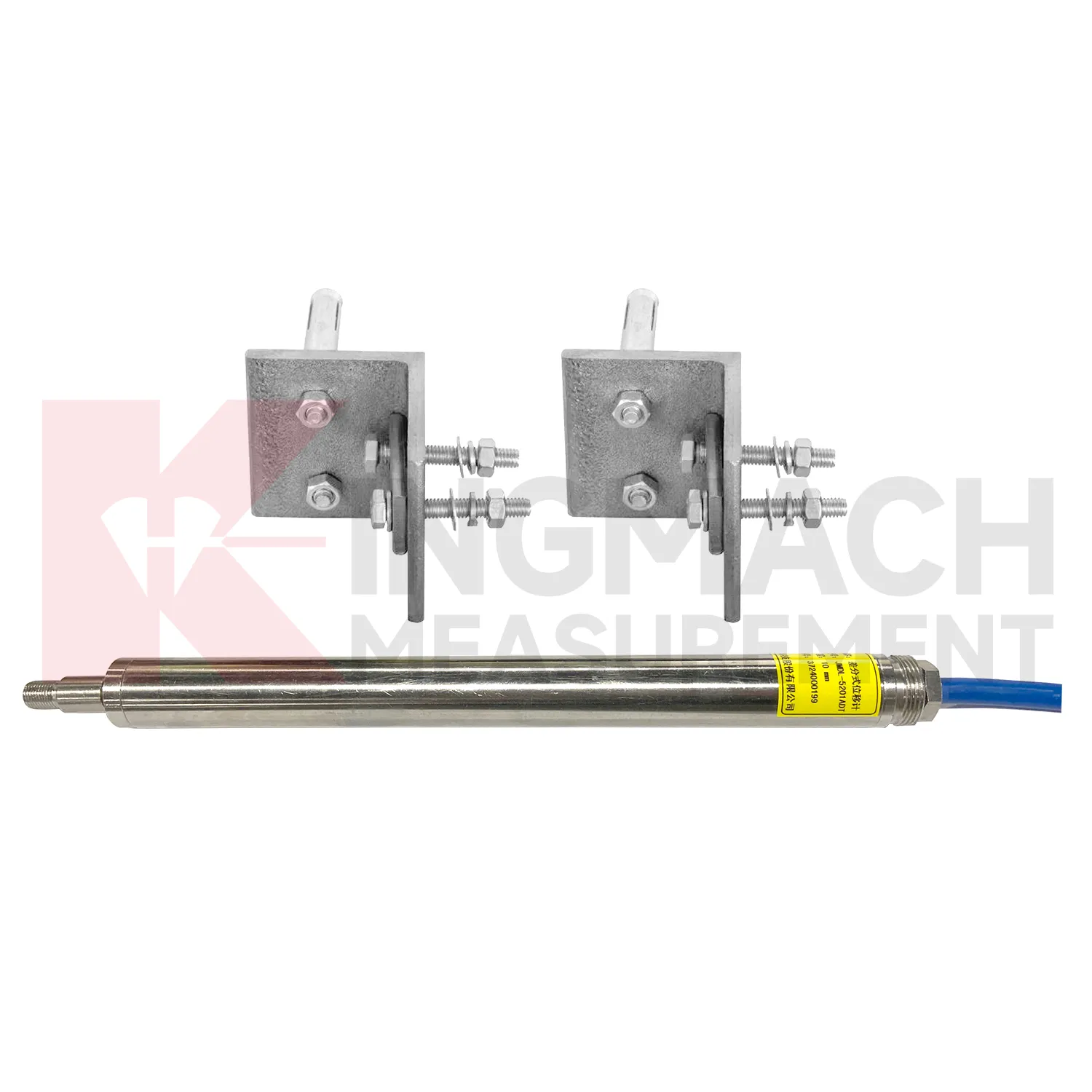
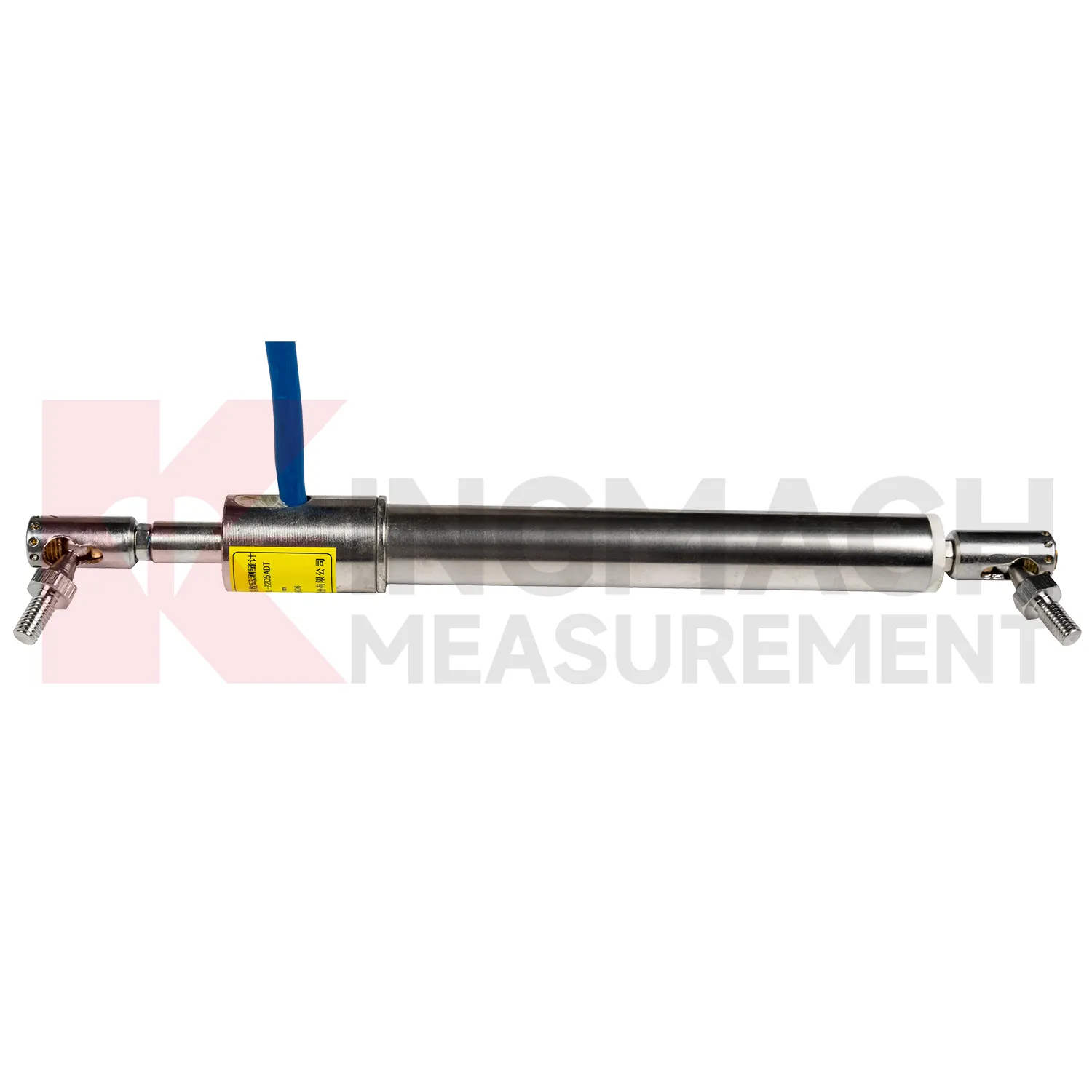
For differential String Potentiometer, maintenance should preserve the geometry that makes high precision possible. Kingmach JMDL-52XXADT uses two coupled inductive coils to reduce environmental interference and thermal drift. The product lists 20 mm, 50 mm, and 100 mm ranges, 0.01 mm resolution, plus or minus 0.1%FS accuracy, RS485 output, low power consumption, and -40 degrees Celsius to +80 degrees Celsius operating temperature. During installation, align the measuring rod so it moves freely without side load or rubbing. Protect the device from impact at expansion joints and from water pooling around connectors. During service, compare readings across temperature cycles and confirm that movement returns as expected when the structure cools or unloads. A persistent offset may indicate structural change, bracket movement, or cable trouble. Keep yearly stability checks and calibration records with the monitoring database, not only in paper files. Keep the installation photo, point number, zero value, and expected movement direction with the commissioning record for later review. If a reading changes after maintenance work, inspect the base, anchor, cable, and cabinet before assuming the structure itself has moved.
Kingmach String Potentiometer
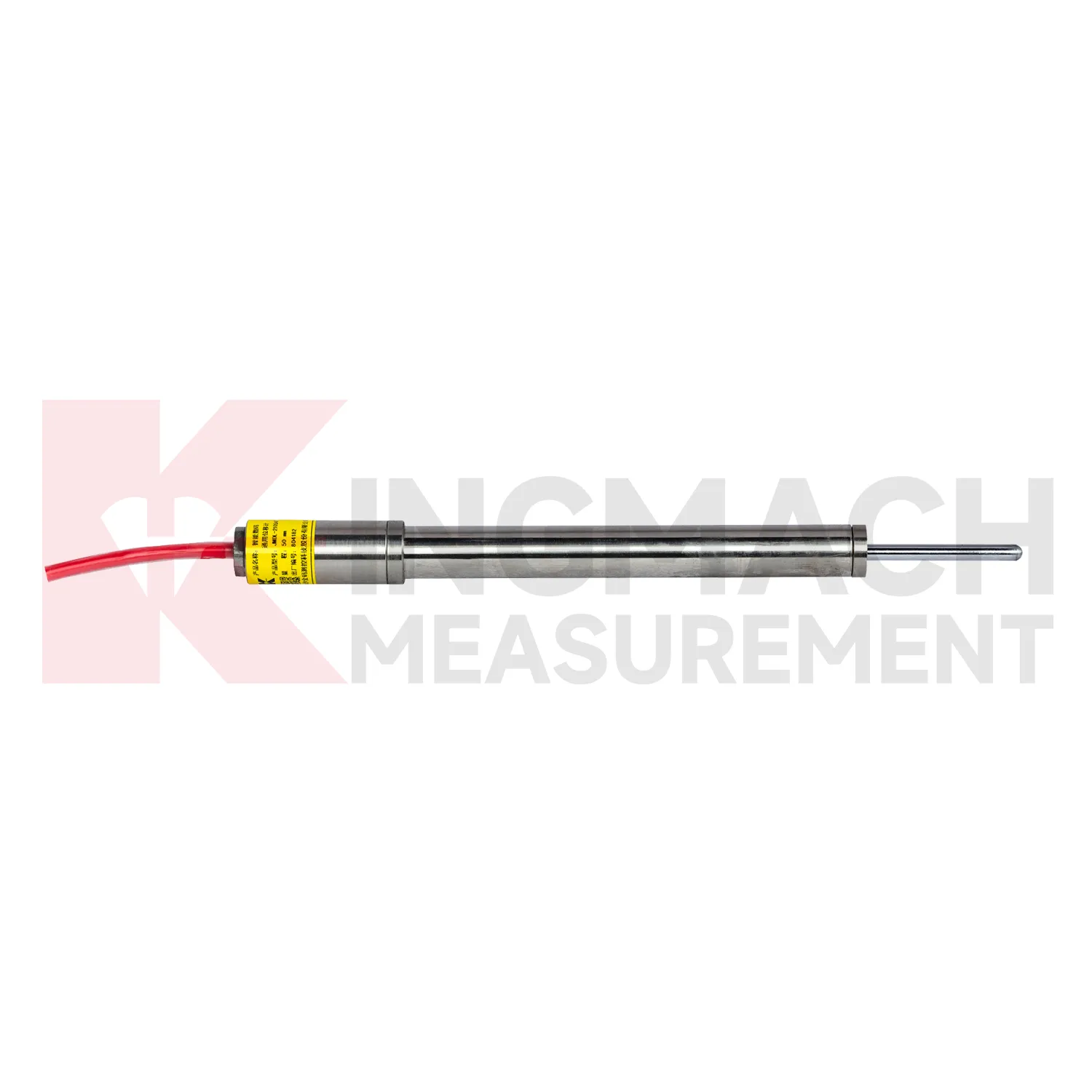
Long-term projects need String Potentiometer that can survive the same weather, vibration, cable pulling, and site handling as the structure itself. Kingmach designs several smart displacement products with built-in memory chips, digital detection, strong anti-interference capability, and direct display through compatible testers. The JMDL-22XXAT crack gauge stores up to 600 measurement results and covers 20 mm, 50 mm, 100 mm, and 200 mm models. The JMDL-21XXAT general-purpose model stores up to 800 records and can save time, temperature, absolute displacement, relative displacement, and zero-point values. These records matter during handover because the original baseline, later shifts, and abnormal readings can be checked without relying only on handwritten notes. For bridges, dams, tunnels, slopes, and buildings, that traceability helps maintenance teams judge whether a movement event is isolated, repeated, or linked with surrounding construction and environmental change. The point should be named on the drawing, linked with its cable route, and checked against the expected movement direction before the first automatic reading is accepted. For daily review, the reading should be compared with nearby points, recent weather, site operations, and any loading event that could explain the movement.
FAQ
Q: What are String Potentiometer used for?
A: They measure movement such as relative displacement, crack width, expansion joint travel, bedrock deformation, rock layer movement, geogrid deformation, formwork settlement, and equipment stroke.
Q: Which Kingmach models belong to this category?
A: Common models include JMDL-21XXAT, JMDL-22XXAT, JMDL-24XXAT, JMDL-31XXAT, JMDL-32XXAT, JMDL-49XXAT, JMDL-52XXADT, JMCW-21XXADT, and JMLS-22XXADT.
Q: What range should be selected first?
A: Start from the expected movement. Short joint monitoring may need 20 mm to 100 mm, while draw-wire or equipment travel may require 500 mm to 2000 mm.
Q: Can these products support remote monitoring?
A: Yes. Several Kingmach models support digital transmission, RS485 communication, automatic acquisition, integrated testers, or unattended monitoring systems.
Q: Why is the baseline reading important?
A: All later movement is compared against the starting point. The baseline should be recorded after the sensor, bracket, anchor, cable, and structure are stable.
Reviews
Robert Taylor
The weir flow meter is well-built and delivers accurate measurements. Great value for water management applications.
Andrew Lee
The visualization software is intuitive and powerful. It helps us analyze monitoring data efficiently.
Latest Inquiries
To protect the privacy of our buyers, only public service email domains like Gmail, Yahoo, and MSN will be displayed. Additionally, only a limited portion of the inquiry content will be shown.
Ava***@gmail.comAustralia
Hi, I am looking for reliable tiltmeters and accelerometers for structural health monitoring. Please...
Isabella***@gmail.comGermany
Hello, we are evaluating weir flow meters for a water management project. Please share accuracy deta...
Related product categories
- magnetostrictive displacement transducer
- magnetostrictive linear displacement transducer
- strain gauge displacement transducer
- lvdt linear variable displacement transducer
- magnetic displacement transducer
- micro displacement transducer
- crack gauge
- crack monitoring gauge
- crack monitor gauge
- crack gauges
- crack monitoring gauges
- displacement crack gauge