
 EN
 ar
 bg
 hr
 cs
 da
 nl
 fi
 fr
 de
 el
 hi
 it
 ko
 no
 pl
 pt
 ro
 ru
 es
 sv
 tl
 iw
 id
 lv
 lt
 sr
 sk
 sl
 uk
 vi
 et
 hu
 th
 tr
 fa
 ms
 hy
 ka
 ur
 bn
 mn
 ta
 kk
 uz
 ku

accelerometer piezoelectric
Single-direction acceleration measurement is useful when the project already knows the main movement direction. In ground pulsation, flexible structures, bridge safety testing, and low-frequency vibration work, a focused measurement axis can give a clean record without unnecessary complexity. Kingmach acceleration equipment can support weak vibration, low-frequency behavior, and large-amplitude movement in flexible structures when the monitoring plan is built around those needs. It is especially relevant when the team wants to monitor one dominant response direction over time. The field record should keep axis direction, mounting face, event timing, and acquisition settings together so the resulting waveform is tied to a real structural question. If the point is moved or the axis is changed, that change must be visible in the record. Otherwise, a later reviewer may compare data that no longer represents the same direction or surface.
A useful dynamic record needs both signal quality and site context. Mounting condition, axis direction, cable stability, acquisition timing, and event labeling all affect whether the data can support an engineering decision after review.
During interpretation, the team should compare the motion with nearby strain, displacement, tilt, load, wind, temperature, traffic, machinery, or construction notes. That wider view helps separate normal response from a pattern that needs inspection.
If the reading changes suddenly, the first check should include the sensor attachment, cable route, connector, channel name, and recent field activity. This prevents a maintenance issue from being mistaken for structural behavior.
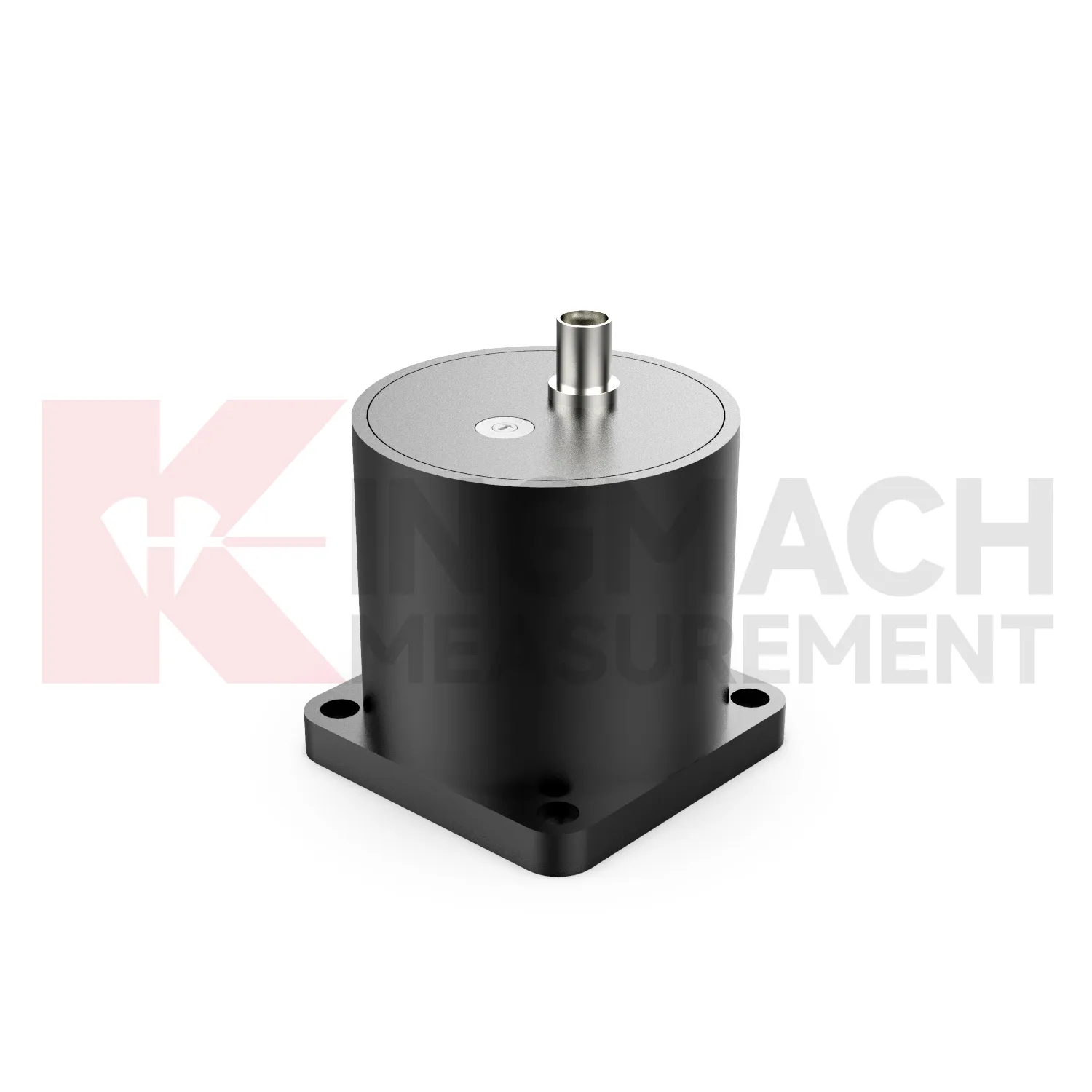
Application of accelerometer piezoelectric
Construction and blasting projects use Kingmach accelerometer piezoelectric to document dynamic effects on nearby structures, tunnels, slopes, or foundations. A short vibration event can matter more than hours of quiet data, so acquisition timing and event labeling are critical. The record should include blast time, distance, work method, sensor position, axis direction, and any field observations. This helps engineers determine whether measured vibration stayed within expected behavior or requires follow-up inspection. Dynamic data is especially useful when several stakeholders need a shared factual record. It can support communication between contractors, owners, designers, and nearby asset managers because the event is documented in a consistent way.
Weak-vibration review should include nearby walking, wind, traffic, equipment start-up, and construction activity because these sources can influence the trace. People walking nearby, wind, traffic, equipment start-up, and construction work can all influence the trace, so the field note should capture what was happening around the point.
For high-risk assets, inspection timing should follow events as well as calendar dates. After impact, blasting, severe weather, unusual vibration, or equipment maintenance, the sensor and the data path both deserve a quick check.
For field teams, the record is strongest when the waveform is tied to a named event and a known physical point. The note should state what was operating, what changed on site, whether other instruments reacted, and whether the motion repeated under similar conditions.
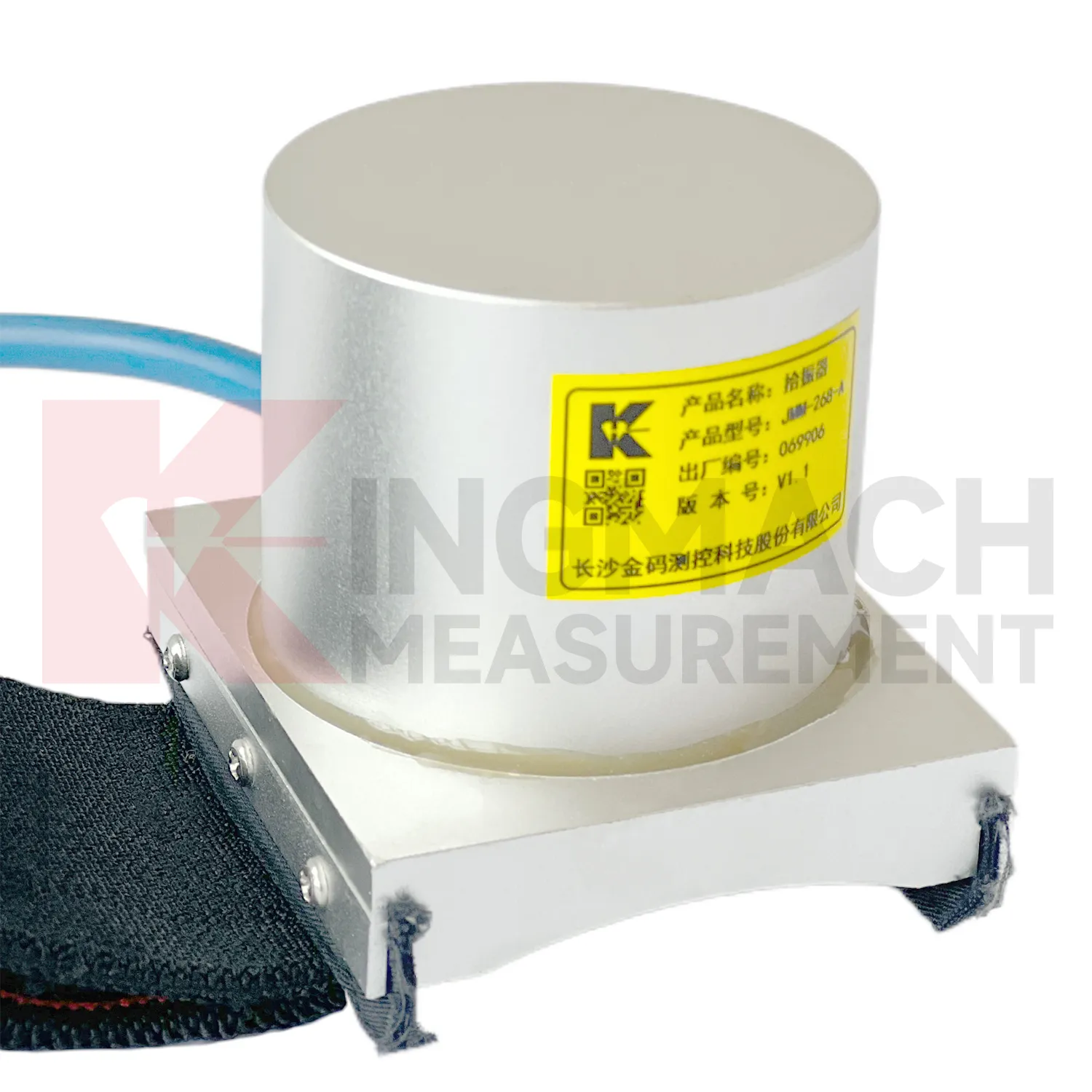
The future of accelerometer piezoelectric
The future of Kingmach accelerometer piezoelectric will be shaped by clearer event-based monitoring. Instead of collecting motion data with no review plan, systems will increasingly tag traffic passages, wind events, blasts, impacts, machine start-ups, and seismic records. The useful record will show what happened, where it happened, and how the structure responded. Kingmach acceleration and vibration measurement can fit this direction when sensors, acquisition, and analysis are designed as one chain. Better event naming will make reports easier to read and decisions faster. It will also help long-term asset teams compare one event with another, rather than treating every waveform as a separate technical file.
During interpretation, the team should compare the motion with nearby strain, displacement, tilt, load, wind, temperature, traffic, machinery, or construction notes. That wider view helps separate normal response from a pattern that needs inspection.
If the reading changes suddenly, the first check should include the sensor attachment, cable route, connector, channel name, and recent field activity. This prevents a maintenance issue from being mistaken for structural behavior.
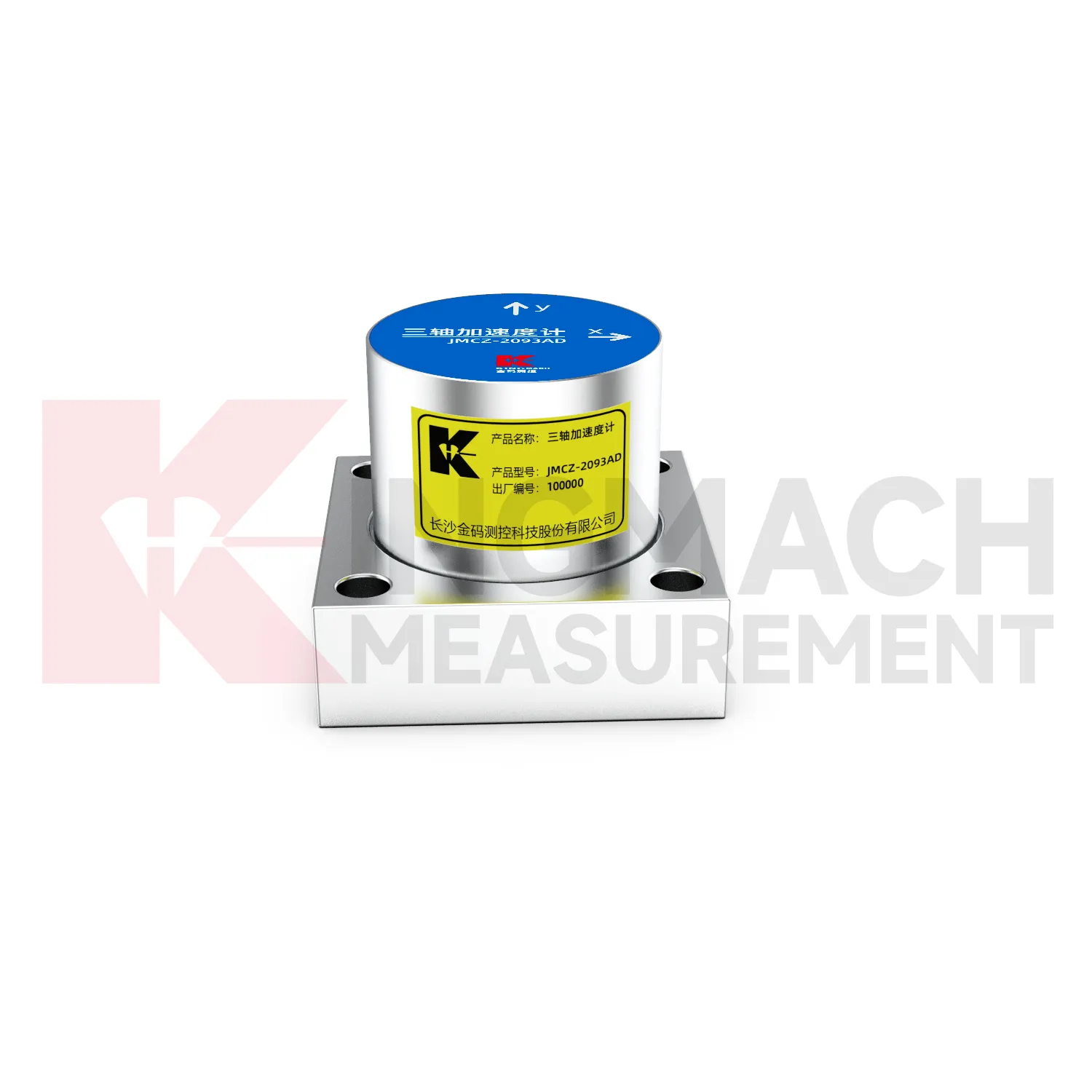
Care & Maintenance of accelerometer piezoelectric
Environmental protection helps Kingmach accelerometer piezoelectric remain stable in field use. Sensors and cables may face dust, moisture, temperature change, construction debris, vibration, and impact. Inspect seals, cable glands, cabinet entries, mounting bolts, and any protective cover. In tunnels or outdoor bridges, check for water and corrosion. In machinery rooms, check oil, dust, and accidental contact. Field protection should not block the motion being measured or create its own vibration. Maintenance notes should state what was inspected and whether the first record after inspection looked normal. This keeps field condition and data quality connected.
Protection work should be checked after site activities that can change the physical surroundings. Painting, cleaning, welding, formwork, cable tray work, or equipment relocation can disturb a point without looking like a sensor fault. The inspection note should describe the surrounding condition, not only the sensor body.
If a cover or enclosure is added, confirm that it does not touch the sensor or create a new vibration path. Good protection keeps water and impact away while leaving the measured structure free to move naturally.
Kingmach accelerometer piezoelectric
Kingmach accelerometer piezoelectric support structural health monitoring by turning motion into a reviewable data trail. For bridge and building work, the data may help identify dominant frequency, cable behavior, vibration level, and response after an impact or construction event. For ground and earthquake studies, the record may show pulse timing and motion intensity. For machinery and industrial structures, repeated patterns can point to operating conditions or resonance. The monitoring plan should define what counts as normal, what requires field inspection, and which related sensors should be checked before making a decision. This prevents the vibration record from becoming an isolated curve and makes it part of a structured review process.
For owner handover, the file should include point photos, axis labels, acquisition settings, related structural channels, and examples of normal behavior. That helps future reviewers understand whether a later event is unusual.
Weak-vibration review should include nearby walking, wind, traffic, equipment start-up, and construction activity because these sources can influence the trace. People walking nearby, wind, traffic, equipment start-up, and construction work can all influence the trace, so the field note should capture what was happening around the point.
FAQ
Q: What are Kingmach accelerometer piezoelectric used for?
A: They are used to record acceleration and vibration behavior so engineers can review structural motion, frequency response, impact events, ground motion, and cable vibration.
Q: Where are they commonly applied?
A: They are used in bridges, buildings, tunnels, railways, machinery areas, ground-motion stations, wind towers, and construction vibration monitoring.
Q: Why not rely only on visual inspection?
A: Many dynamic problems happen too quickly or too subtly to see, while acceleration records preserve timing, direction, and frequency information.
Q: Can acceleration data support cable force review?
A: Yes, when the vibration measurement and calculation method are configured correctly for the cable being tested.
Q: Should acceleration data be reviewed alone?
A: No. It is stronger when compared with strain, displacement, tilt, load, environmental records, and inspection notes.
During interpretation, the team should compare the motion with nearby strain, displacement, tilt, load, wind, temperature, traffic, machinery, or construction notes. That wider view helps separate normal response from a pattern that needs inspection.
Reviews
Christopher Martinez
Very satisfied with the readouts & data loggers. User-friendly interface and supports multiple sensor inputs.
Robert Taylor
The weir flow meter is well-built and delivers accurate measurements. Great value for water management applications.
Latest Inquiries
To protect the privacy of our buyers, only public service email domains like Gmail, Yahoo, and MSN will be displayed. Additionally, only a limited portion of the inquiry content will be shown.
Olivia***@gmail.comUnited States
Hello, we are currently sourcing high-precision strain gauges and load cells for a bridge monitoring...
Ava***@gmail.comAustralia
Hi, I am looking for reliable tiltmeters and accelerometers for structural health monitoring. Please...