
 EN
EN
 ar
ar bg
bg hr
hr cs
cs da
da nl
nl fi
fi fr
fr de
de el
el hi
hi it
it ko
ko no
no pl
pl pt
pt ro
ro ru
ru es
es sv
sv tl
tl iw
iw id
id lv
lv lt
lt sr
sr sk
sk sl
sl uk
uk vi
vi et
et hu
hu th
th tr
tr fa
fa ms
ms hy
hy ka
ka ur
ur bn
bn mn
mn ta
ta kk
kk uz
uz ku
ku
industrial vibration sensors
Kingmach vibration sensing for cable and building work focuses on turning weak motion into usable frequency information. In bridge cable force measurement, vibration response can be processed through a dynamic testing system to obtain fundamental frequency and related cable force values when the method is properly configured. In building vibration measurement, the same discipline helps engineers compare normal operation with unusual movement from equipment, traffic, impact, or nearby construction. The sensor, signal path, acquisition unit, and software review should be treated as one measurement path. If any part of that path is poorly documented, the final vibration result becomes harder to defend. A useful project record should keep cable identity, floor location, sensor mounting, event condition, and analysis result together. That makes repeat measurements comparable rather than isolated.
For owner handover, the file should include point photos, axis labels, acquisition settings, related structural channels, and examples of normal behavior. That helps future reviewers understand whether a later event is unusual.
Weak-vibration review should include nearby walking, wind, traffic, equipment start-up, and construction activity because these sources can influence the trace. People walking nearby, wind, traffic, equipment start-up, and construction work can all influence the trace, so the field note should capture what was happening around the point.
For high-risk assets, inspection timing should follow events as well as calendar dates. After impact, blasting, severe weather, unusual vibration, or equipment maintenance, the sensor and the data path both deserve a quick check.
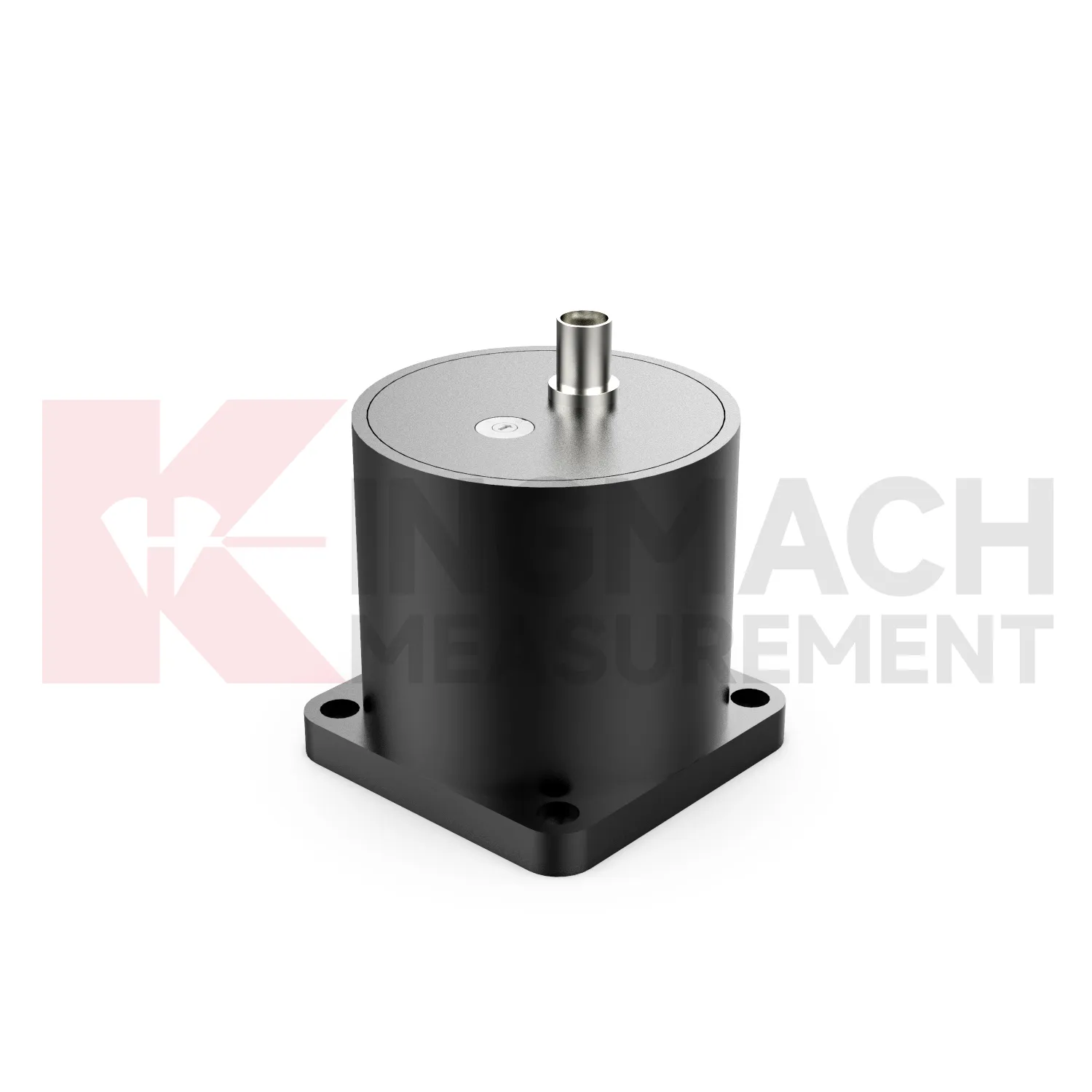
Application of industrial vibration sensors
Wind towers and tall structures use Kingmach industrial vibration sensors to observe motion caused by wind, equipment, foundation behavior, or operating cycles. Acceleration data can be reviewed with wind speed, tilt, strain, and foundation settlement to see whether the structure is responding normally. Mounting must be secure because a loose sensor can exaggerate motion. The axis direction should match the structure geometry, and the record should note wind or operating conditions during measurement. This approach turns tower movement into a traceable engineering record. Over time, the owner can compare response during similar wind events and identify whether the structure is behaving consistently or starting to change.
A useful dynamic record needs both signal quality and site context. Mounting condition, axis direction, cable stability, acquisition timing, and event labeling all affect whether the data can support an engineering decision after review.
During interpretation, the team should compare the motion with nearby strain, displacement, tilt, load, wind, temperature, traffic, machinery, or construction notes. That wider view helps separate normal response from a pattern that needs inspection.
If the reading changes suddenly, the first check should include the sensor attachment, cable route, connector, channel name, and recent field activity. This prevents a maintenance issue from being mistaken for structural behavior.
Long-term monitoring benefits from repeatable procedure. When the same point, direction, event definition, and analysis method are preserved, new vibration records can be compared with earlier records in a defensible way.
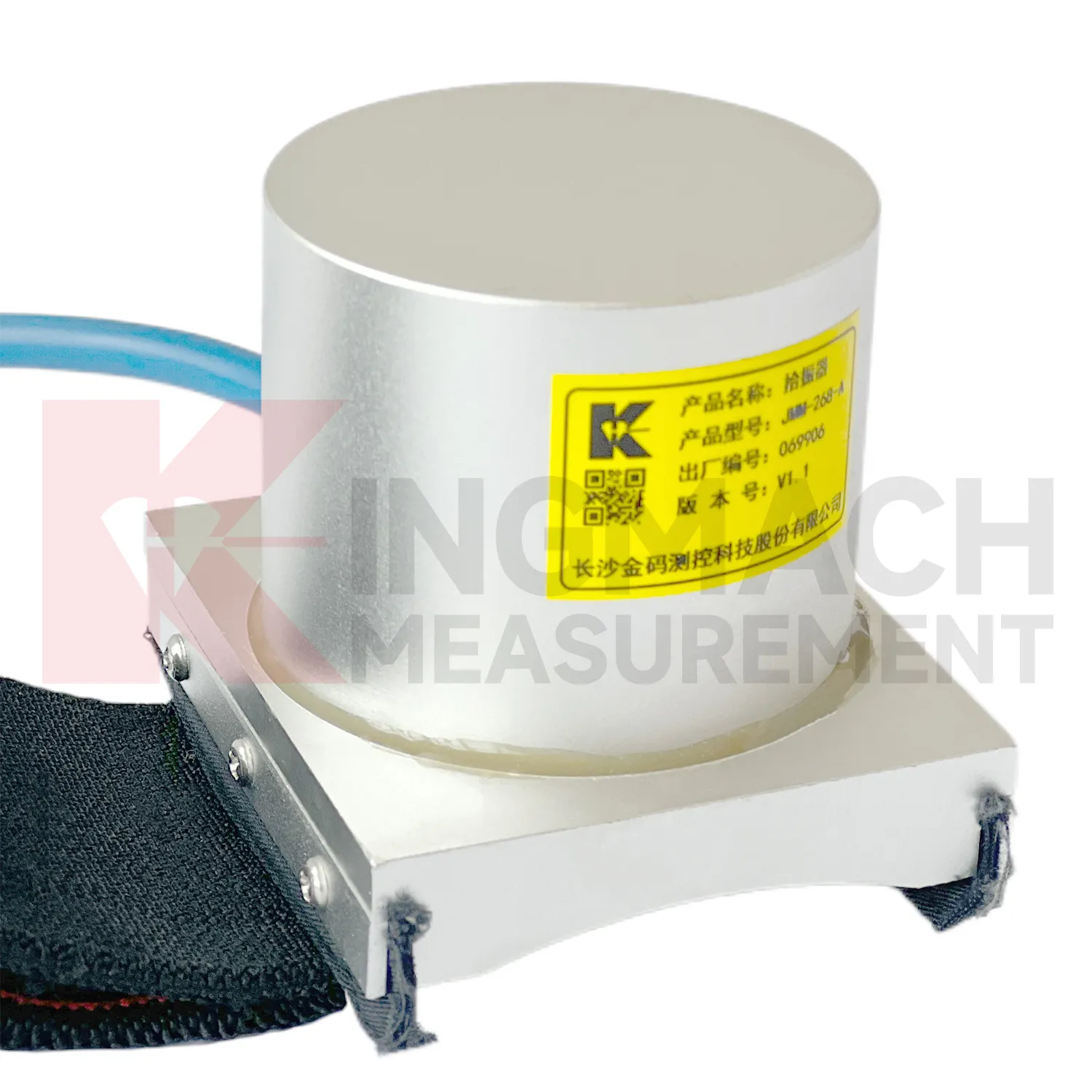
The future of industrial vibration sensors
Future Kingmach industrial vibration sensors will support more disciplined cable force monitoring. Vibration-based cable review depends on correct measurement position, cable identity, boundary assumptions, and calculation settings. Future reports should connect the vibration curve, frequency result, cable information, and maintenance decision in one place. That will make cable review easier to audit and compare over time. For bridge owners, the value is not simply a sensor reading; it is a repeatable method for tracking cable behavior through service life. Clear records will also help teams understand when a change comes from adjustment, temperature, traffic, or true cable-condition variation.
For field teams, the record is strongest when the waveform is tied to a named event and a known physical point. The note should state what was operating, what changed on site, whether other instruments reacted, and whether the motion repeated under similar conditions.
A useful dynamic record needs both signal quality and site context. Mounting condition, axis direction, cable stability, acquisition timing, and event labeling all affect whether the data can support an engineering decision after review.
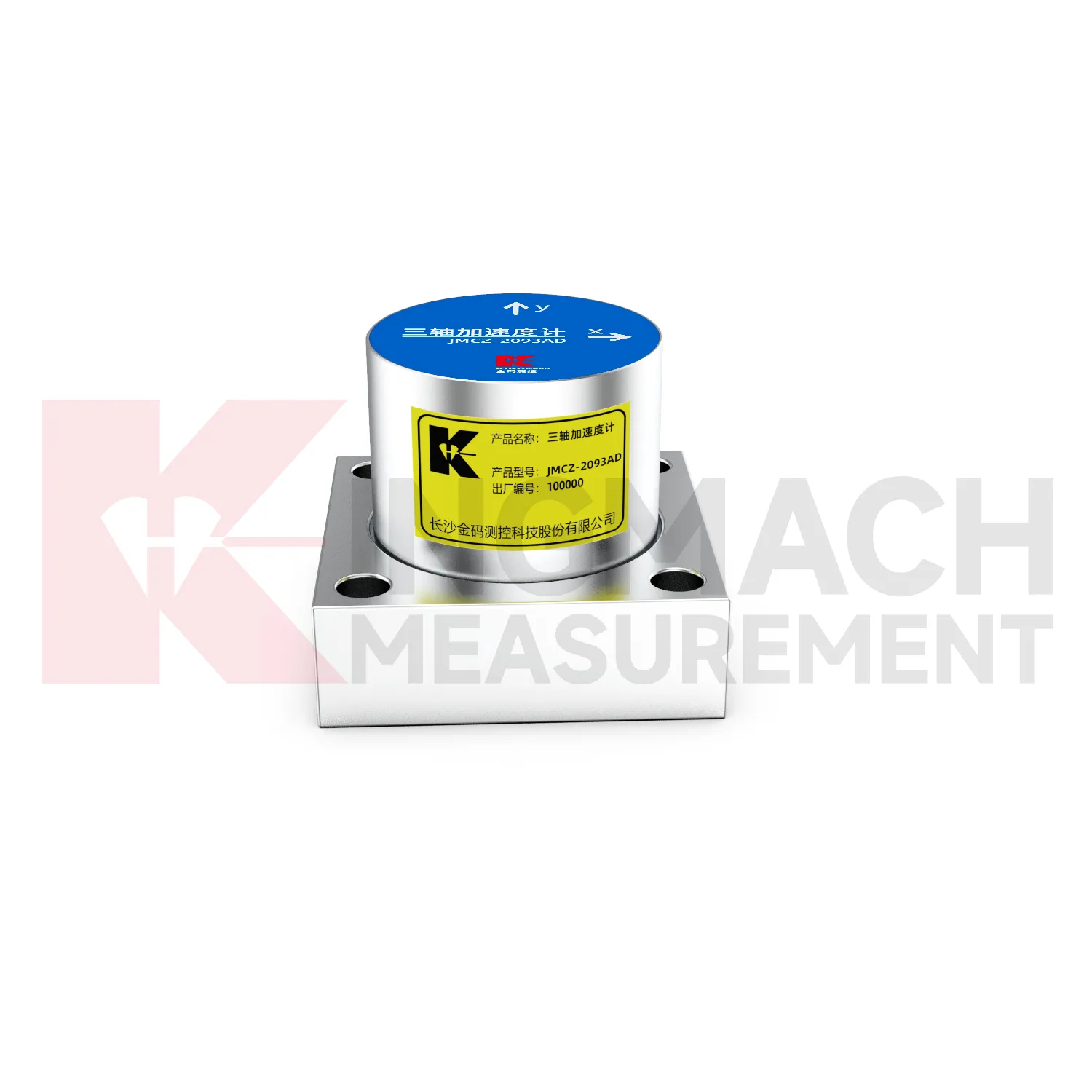
Care & Maintenance of industrial vibration sensors
Axis control keeps Kingmach industrial vibration sensors records understandable. A sensor may be installed vertically, longitudinally, laterally, or in three directions depending on the monitoring task. If the axis direction is not written down, later reviewers may not know what the waveform represents. Mark the direction on drawings, photographs, and channel names. If a sensor is removed and reinstalled, confirm the direction again. Axis mistakes can create years of confusing data, especially on bridges, towers, tunnels, and machinery foundations. A simple label at installation can prevent serious interpretation problems later.
Dynamic data can be sensitive to small field changes. A new bracket, nearby machine, temporary work platform, changed cable route, or software update can alter the record, so those changes belong in the maintenance history.
For owner handover, the file should include point photos, axis labels, acquisition settings, related structural channels, and examples of normal behavior. That helps future reviewers understand whether a later event is unusual.
Kingmach industrial vibration sensors
For buyers, Kingmach industrial vibration sensors should be selected by the motion being measured. Some projects need weak low-frequency ground pulsation. Some need three-direction structural vibration. Some focus on bridge cable force through fundamental frequency. Some need a sealed vibration pickup in a building or machinery area. The first decision is the engineering question: what movement must be captured, where will the sensor sit, and what data will be reviewed after an event? Once that is clear, the sensor, acquisition unit, mounting method, and reporting workflow can be matched without turning the page into a catalog list. A purchase that starts with the site question is easier to install, easier to test, and easier to maintain through years of service.
A useful dynamic record needs both signal quality and site context. Mounting condition, axis direction, cable stability, acquisition timing, and event labeling all affect whether the data can support an engineering decision after review.
During interpretation, the team should compare the motion with nearby strain, displacement, tilt, load, wind, temperature, traffic, machinery, or construction notes. That wider view helps separate normal response from a pattern that needs inspection.
FAQ
Q: What are Kingmach industrial vibration sensors used for?
A: They are used to record acceleration and vibration behavior so engineers can review structural motion, frequency response, impact events, ground motion, and cable vibration.
Q: Where are they commonly applied?
A: They are used in bridges, buildings, tunnels, railways, machinery areas, ground-motion stations, wind towers, and construction vibration monitoring.
Q: Why not rely only on visual inspection?
A: Many dynamic problems happen too quickly or too subtly to see, while acceleration records preserve timing, direction, and frequency information.
Q: Can acceleration data support cable force review?
A: Yes, when the vibration measurement and calculation method are configured correctly for the cable being tested.
Q: Should acceleration data be reviewed alone?
A: No. It is stronger when compared with strain, displacement, tilt, load, environmental records, and inspection notes.
During interpretation, the team should compare the motion with nearby strain, displacement, tilt, load, wind, temperature, traffic, machinery, or construction notes. That wider view helps separate normal response from a pattern that needs inspection.
Reviews
David Wilson
We purchased displacement transducers and settlement sensors, and the quality exceeded our expectations. Easy installation and reliable performance.
Christopher Martinez
Very satisfied with the readouts & data loggers. User-friendly interface and supports multiple sensor inputs.
Latest Inquiries
To protect the privacy of our buyers, only public service email domains like Gmail, Yahoo, and MSN will be displayed. Additionally, only a limited portion of the inquiry content will be shown.
Charlotte***@gmail.comUnited Arab Emirates
Hi, we require instrumentation cables suitable for harsh environments. Could you advise on specifica...
Amelia***@gmail.comSingapore
Hello, I am looking for visualization software for monitoring system data analysis. Please let me kn...
Related product categories
- wireless accelerometers
- high sensitivity accelerometer
- mems accelerometer working principle
- accelerometer purchase
- accelerometers for sale
- buy accelerometer
- accelerometer cable
- accelerometer data acquisition
- accelerometer for vibration measurement
- vibration accelerometer
- industrial accelerometer
- seismic accelerometer