
 EN
EN
 ar
ar bg
bg hr
hr cs
cs da
da nl
nl fi
fi fr
fr de
de el
el hi
hi it
it ko
ko no
no pl
pl pt
pt ro
ro ru
ru es
es sv
sv tl
tl iw
iw id
id lv
lv lt
lt sr
sr sk
sk sl
sl uk
uk vi
vi et
et hu
hu th
th tr
tr fa
fa ms
ms hy
hy ka
ka ur
ur bn
bn mn
mn ta
ta kk
kk uz
uz ku
ku
vibration measurement sensor
Kingmach vibration measurement sensor are designed for dynamic measurement tasks such as acceleration, vibration frequency, ground pulsation, structural response, and cable vibration. The category supports mechanical vibration analysis, earthquake monitoring, and structural dynamic characteristic studies. In practical use, the sensor is paired with acquisition and analysis equipment so engineers can review time curves, frequency behavior, and event records. The important point is whether the system captures the motion that affects the project, rather than how many specifications appear in one sentence. For bridges, buildings, tunnels, railways, machinery, and geotechnical sites, that means matching sensor placement, acquisition method, and review workflow to the expected vibration source. A well-planned dynamic system also defines how data will be named, stored, compared, and acted on after an event. This keeps acceleration monitoring connected to engineering review rather than leaving it as a separate technical trace.
For high-risk assets, inspection timing should follow events as well as calendar dates. After impact, blasting, severe weather, unusual vibration, or equipment maintenance, the sensor and the data path both deserve a quick check.
For field teams, the record is strongest when the waveform is tied to a named event and a known physical point. The note should state what was operating, what changed on site, whether other instruments reacted, and whether the motion repeated under similar conditions.
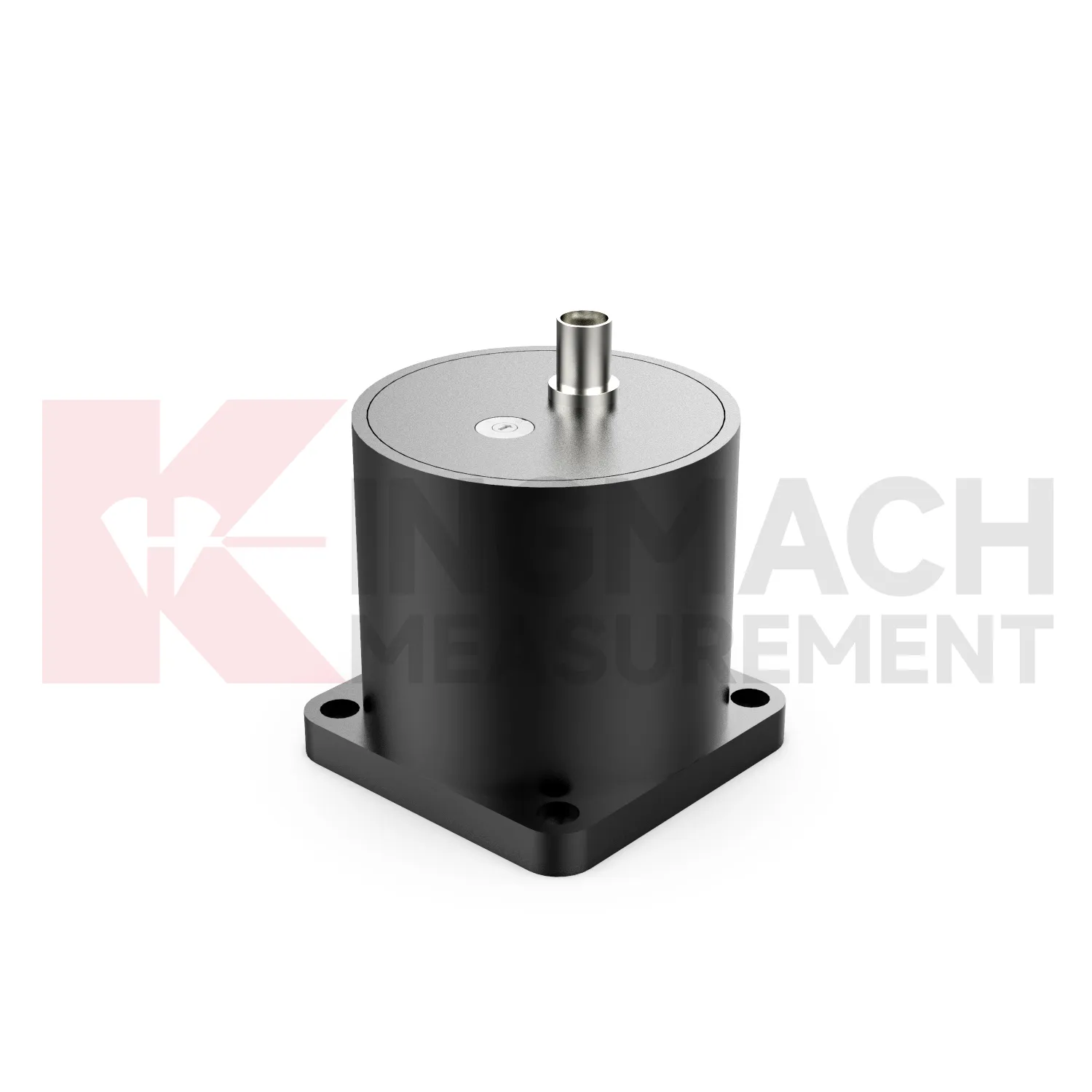
Application of vibration measurement sensor
Cable force testing uses Kingmach vibration measurement sensor when vibration response is part of the force calculation method. The sensor must capture the cable motion cleanly, and the analysis must use the correct cable identity, boundary condition, and review process. A simple vibration trace is not enough by itself. The test record should preserve cable name, measurement position, weather, traffic or work condition, and calculation result. Written clearly, this application shows how dynamic measurement supports bridge maintenance without turning the page into formulas or specification tables. Repeatability is especially important. If future measurements use the same procedure, the owner can compare trends with more confidence.
The report should not leave the waveform isolated. It should explain what the asset was doing, why the point was measured, which event triggered interest, and what follow-up action or observation was made.
Dynamic data can be sensitive to small field changes. A new bracket, nearby machine, temporary work platform, changed cable route, or software update can alter the record, so those changes belong in the maintenance history.
For owner handover, the file should include point photos, axis labels, acquisition settings, related structural channels, and examples of normal behavior. That helps future reviewers understand whether a later event is unusual.
Weak-vibration review should include nearby walking, wind, traffic, equipment start-up, and construction activity because these sources can influence the trace. People walking nearby, wind, traffic, equipment start-up, and construction work can all influence the trace, so the field note should capture what was happening around the point.
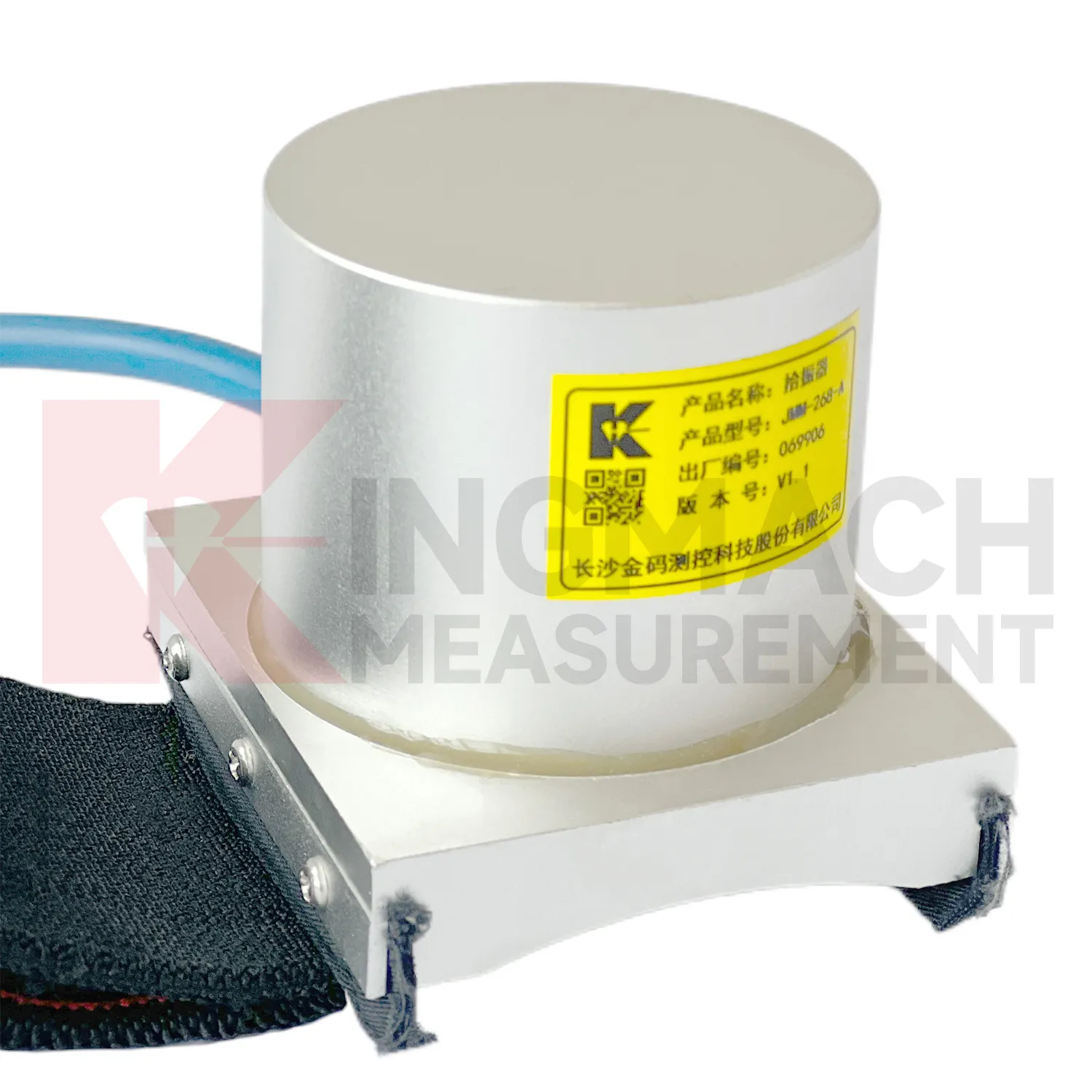
The future of vibration measurement sensor
The future of Kingmach vibration measurement sensor will place more weight on clean installation records. Dynamic data is sensitive to mounting, axis direction, and local noise. Future handover files should include point photographs, surface condition, bracket notes, axis labels, cable route, acquisition settings, and first test record. These details will help owners understand why a sensor was placed at a certain location and how later data should be interpreted. A good installation record keeps the waveform useful long after the original crew has left. It also reduces confusion when maintenance teams replace hardware or compare new events with older data.
Dynamic data can be sensitive to small field changes. A new bracket, nearby machine, temporary work platform, changed cable route, or software update can alter the record, so those changes belong in the maintenance history.
For owner handover, the file should include point photos, axis labels, acquisition settings, related structural channels, and examples of normal behavior. That helps future reviewers understand whether a later event is unusual.
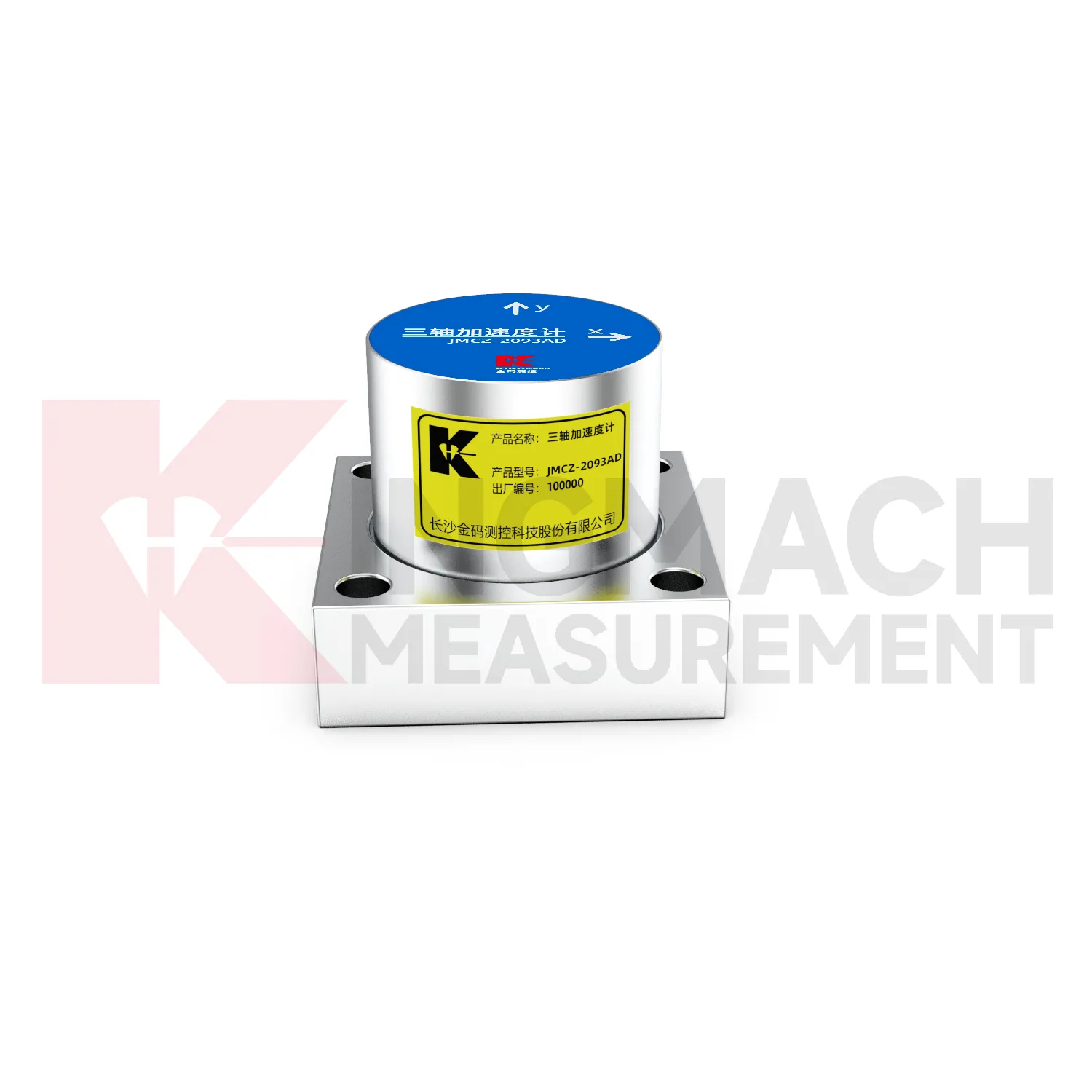
Care & Maintenance of vibration measurement sensor
Acquisition settings for Kingmach vibration measurement sensor should be checked after commissioning and after any platform change. Dynamic monitoring depends on timing, event capture, channel naming, and storage behavior. If the system records too slowly, a short event may be missed. If it stores too little context, the waveform may be hard to interpret. Keep a record of sampling plan, event trigger, analysis method, and related channels. After software updates or cabinet work, run a controlled check so the team knows the system is still capturing motion correctly. Acquisition care protects the investment made in the field installation.
Weak-vibration review should include nearby walking, wind, traffic, equipment start-up, and construction activity because these sources can influence the trace. People walking nearby, wind, traffic, equipment start-up, and construction work can all influence the trace, so the field note should capture what was happening around the point.
For high-risk assets, inspection timing should follow events as well as calendar dates. After impact, blasting, severe weather, unusual vibration, or equipment maintenance, the sensor and the data path both deserve a quick check.
Kingmach vibration measurement sensor
Dynamic monitoring with Kingmach vibration measurement sensor should be designed around events. A sensor may sit quietly for long periods and then become important during blasting, train passage, wind loading, equipment start-up, impact, or seismic activity. The acquisition system must be ready to capture the motion at the right moment and preserve enough context for later analysis. Event records should include time, location, operating condition, related structural readings, and any field notes. The same acceleration level may mean different things during normal traffic, after an impact, or during construction work. Event names and review notes help reviewers connect the waveform with the real operating condition.
For high-risk assets, inspection timing should follow events as well as calendar dates. After impact, blasting, severe weather, unusual vibration, or equipment maintenance, the sensor and the data path both deserve a quick check.
For field teams, the record is strongest when the waveform is tied to a named event and a known physical point. The note should state what was operating, what changed on site, whether other instruments reacted, and whether the motion repeated under similar conditions.
FAQ
Q: What maintenance do Kingmach vibration measurement sensor need?
A: Check mounting, cable condition, connector sealing, axis label, acquisition status, cabinet condition, and recent site disturbance.
Q: How often should they be inspected?
A: Frequency depends on asset risk, access, vibration level, and whether construction or severe weather is active nearby.
Q: What should be checked after a strong event?
A: Inspect sensor attachment, cable route, cabinet, data completeness, event labels, and related structural readings.
Q: Can software changes affect data?
A: Yes. Platform or acquisition changes can affect channel names, timing, storage, triggers, and analysis settings.
Q: How should replacement be documented?
A: Record old and new equipment, location, reason, date, technician, first test record, and any change to axis or channel name.
Dynamic data can be sensitive to small field changes. A new bracket, nearby machine, temporary work platform, changed cable route, or software update can alter the record, so those changes belong in the maintenance history.
Reviews
Robert Taylor
The weir flow meter is well-built and delivers accurate measurements. Great value for water management applications.
Daniel Brown
Excellent environmental monitoring sensors. The data is consistent, and the system integrates smoothly with our existing setup.
Latest Inquiries
To protect the privacy of our buyers, only public service email domains like Gmail, Yahoo, and MSN will be displayed. Additionally, only a limited portion of the inquiry content will be shown.
Isabella***@gmail.comGermany
Hello, we are evaluating weir flow meters for a water management project. Please share accuracy deta...
Charlotte***@gmail.comUnited Arab Emirates
Hi, we require instrumentation cables suitable for harsh environments. Could you advise on specifica...