
 EN
EN
 ar
ar bg
bg hr
hr cs
cs da
da nl
nl fi
fi fr
fr de
de el
el hi
hi it
it ko
ko no
no pl
pl pt
pt ro
ro ru
ru es
es sv
sv tl
tl iw
iw id
id lv
lv lt
lt sr
sr sk
sk sl
sl uk
uk vi
vi et
et hu
hu th
th tr
tr fa
fa ms
ms hy
hy ka
ka ur
ur bn
bn mn
mn ta
ta kk
kk uz
uz ku
ku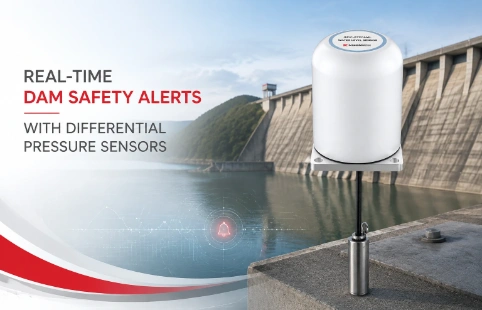
Real-Time Dam Safety Alerts with Differential Pressure Water Level Sensors
Key Takeaways An alert chain needs more than a sensor: define field in...

Axial Force Sensors for Geotechnical Monitoring
In deep excavation and foundation work, spot-checking hydraulic pressure gauges often misses gradual load shifts. A vibrating wire axial force sensor, installed inline with a tieback anchor or strut, gives engineers a continuous read on the actual force. Kingmach, a specialist in geotechnical instrumentation, supplies these sensors with the kind of robust build and long-term stability that field conditions demand. Rather than chasing the lowest unit price, many project teams come to us after experiencing drift issues with cheaper alternatives. We design our center-hole load cells to handle eccentric loading and temperature swings—factors that frequently distort readings on less carefully engineered models. From tunnel support to retaining wall monitoring, the sensor stays in place for years, and the data it provides helps distinguish between normal relaxation and an evolving problem. Our factory in China ships to distributors worldwide, and we can customize the inner diameter, cabling, and output signal to match existing readout systems, so integration doesn't become a side project.
Technical Detail
A typical axial force sensor from Kingmach uses a high-strength alloy steel body with a center hole, allowing it to be placed directly on a tendon or threaded bar. Strain gauges in a full Wheatstone bridge configuration convert deformation into a mV/V signal, or a vibrating wire element provides a frequency output that resists cable length effects. Standard protection is IP67, making the sensor suitable for buried or submerged conditions. We offer ranges from 200 kN to over 5,000 kN, and the safe overload is usually 150% of rated capacity. One overlooked detail is the bearing plate: without proper stiffness and flatness, the sensor can see uneven stress and report values that are too low or erratic. That's why we machine our loading surfaces to tight tolerances and recommend a matched plate set. In terms of data collection, many clients use our portable readout units, but the sensors also talk to most dataloggers that accept 4–20 mA, RS-485, or frequency inputs. Long cable runs are typical on a large site; vibrating wire technology largely ignores contact resistance changes, which is a practical advantage over foil-based sensors when cables get spliced or connectors corrode. Kingmach maintains an inventory of popular capacities and inner diameters, so lead time for standard models is short. For special projects, we can adjust the overall diameter or cable length, add thermistors for temperature correction, and provide calibration certificates tied to accredited standards. After the sale, our application engineers stay available to help with troubleshooting, whether it's a noisy signal or an unexpected zero shift. That kind of backup matters when a sensor is embedded in concrete and can't be easily swapped out.
News
Key Takeaways An alert chain needs more than a sensor: define field in...
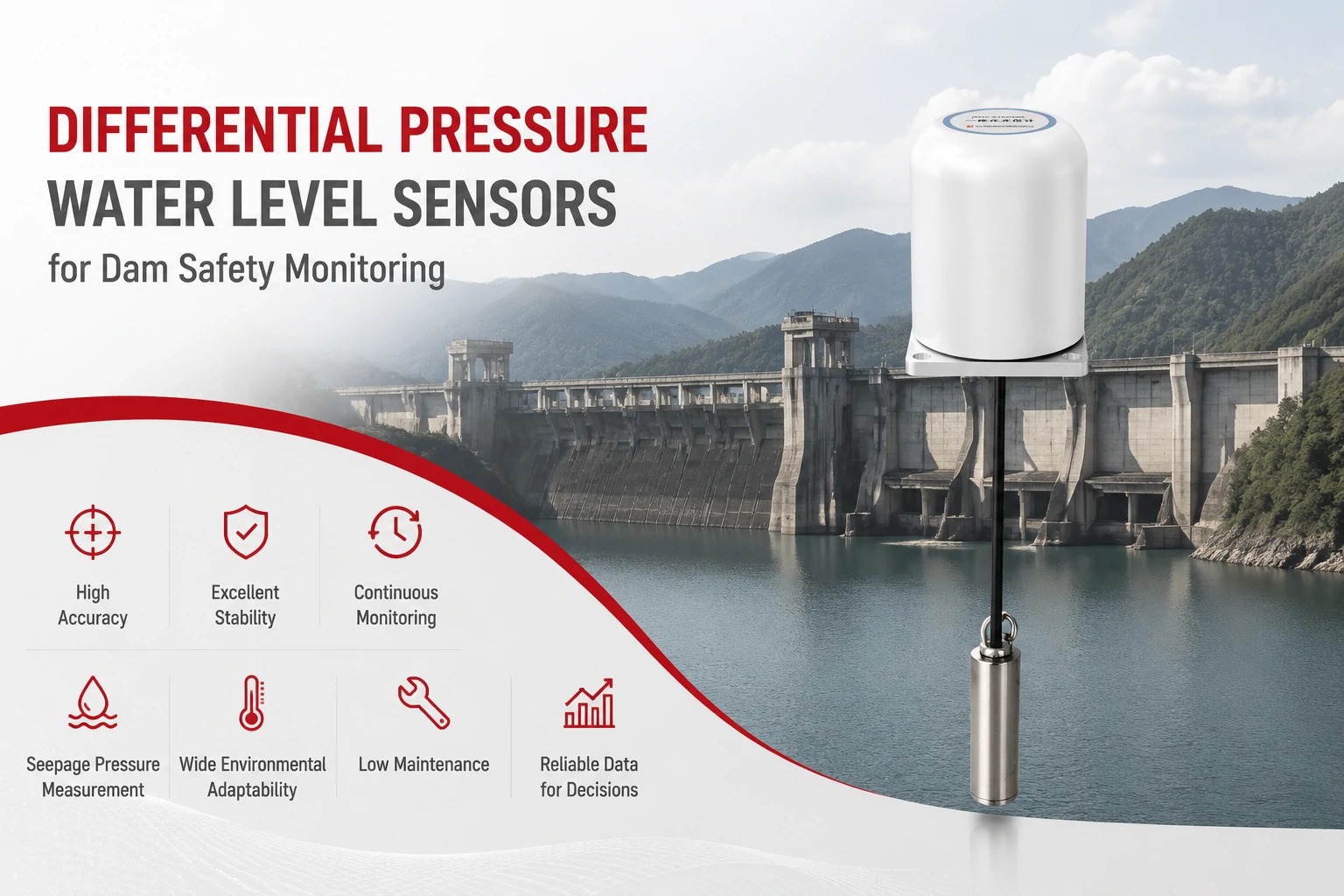
Key Takeaways The strongest fit is usually a confined, submerged, or s...
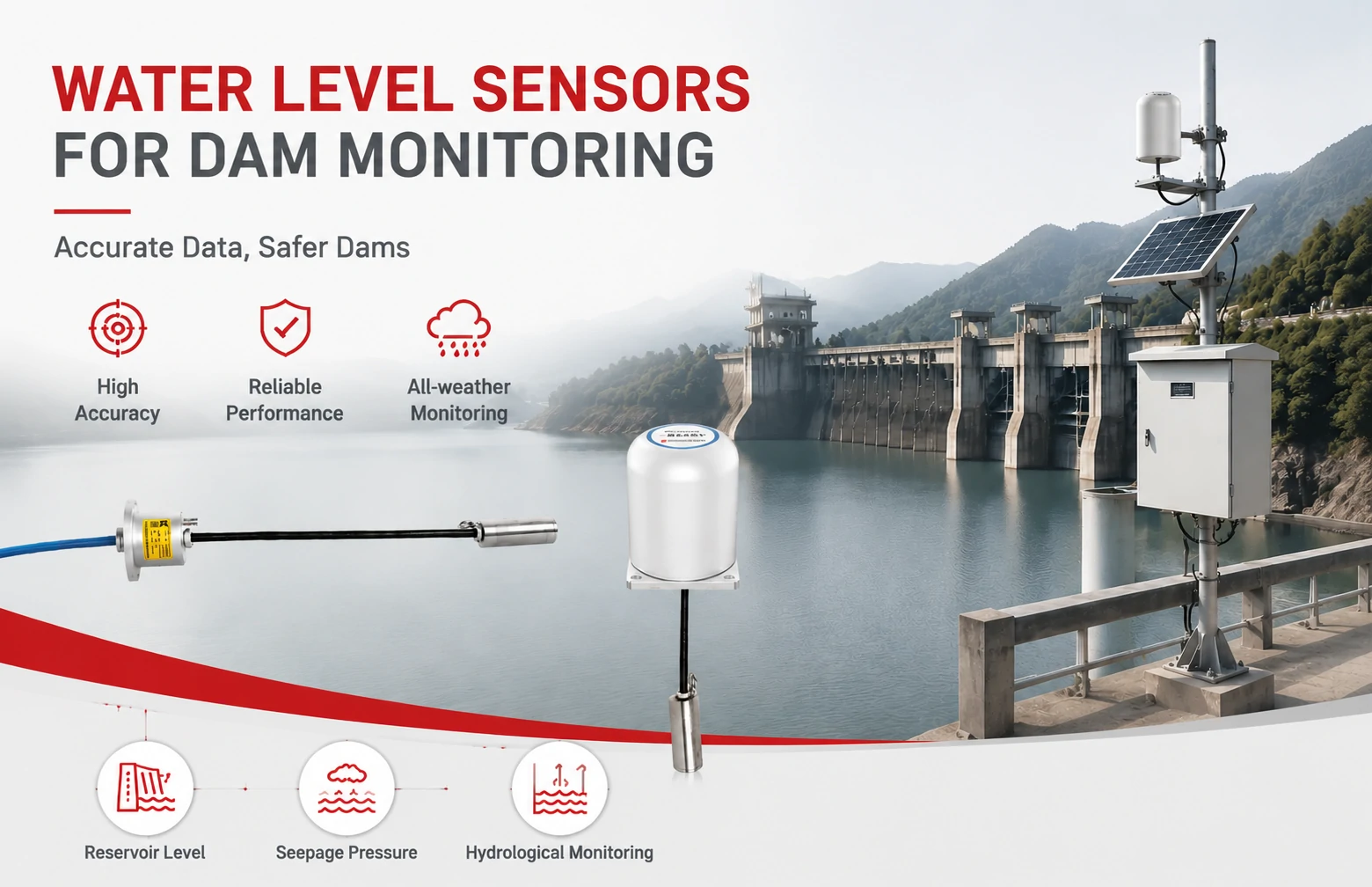
Kingmach Water Level Sensors for Dam Monitoring: A Buyer's Guide to Differential Pre...
Products
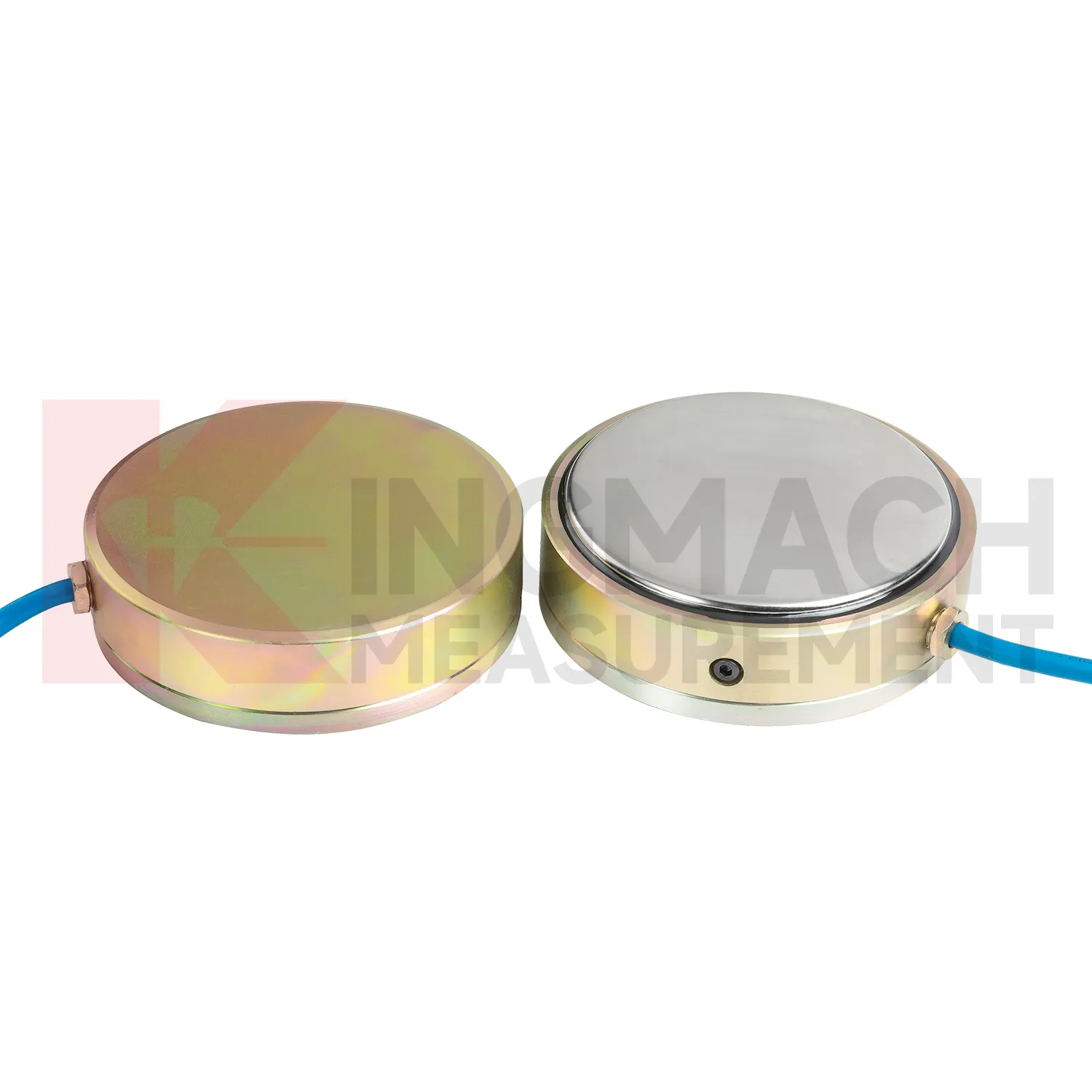
Large Earth Pressure Cell ( VW & Smart Type) JMZX-51XXAT/ ATM
View Details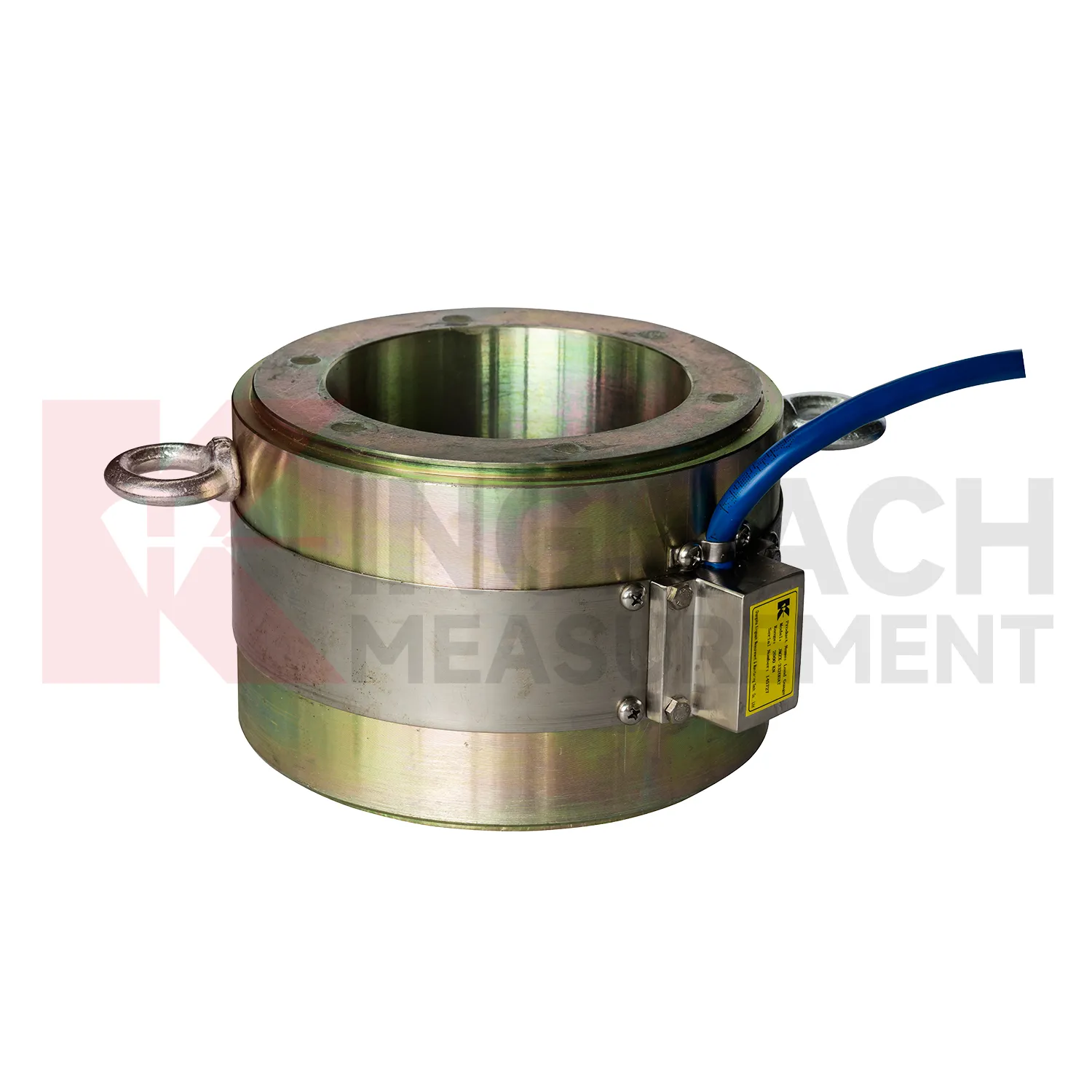
Smart Vibrating Wire PiezometerSmart Piezometers (VW) JMZX-55XXHAT
View DetailsFAQ
Look at the design load and the maximum test load—often 1.3 to 1.5 times the working load. Select a sensor whose rated capacity exceeds the maximum expected load but isn't so high that you lose resolution at lower forces. If you're unsure, our team can review your anchor or strut specifications and recommend a range.
Yes, the vibrating wire models are particularly suited for long-term monitoring because their frequency output doesn't drift with cable degradation. For temporary works, a less expensive strain gauge version may suffice, but we usually suggest vibrating wire if the installation will stay in place beyond a year.
The sensor slides onto the bar or strand bundle before the anchor head is set. A calibrated hydraulic jack then loads the anchor. The sensor reading during the lift-off test serves as a baseline. It's critical that the bearing plates are flat and centered, or else the cell will see bending and give misleading results.
We regularly build specials. Provide the bar or strand diameter, and we'll machine the center hole accordingly—plus a few millimeters of clearance for easy assembly. Custom lead time is typically 2–4 weeks depending on the season.
Share your product type, target capacity, and application requirements. Our team can review the details and recommend a practical next step.
If you are interested in our products or want to become our partner.
Please leave your contact information, our team will contact you as soon as possible.
Mail: [email protected]
Contact Us: +8613808434127
Address: No. 188 Tongzipo West Rd, Changsha, Hunan, China