
 EN
EN
 ar
ar bg
bg hr
hr cs
cs da
da nl
nl fi
fi fr
fr de
de el
el hi
hi it
it ko
ko no
no pl
pl pt
pt ro
ro ru
ru es
es sv
sv tl
tl iw
iw id
id lv
lv lt
lt sr
sr sk
sk sl
sl uk
uk vi
vi et
et hu
hu th
th tr
tr fa
fa ms
ms hy
hy ka
ka ur
ur bn
bn mn
mn ta
ta kk
kk uz
uz ku
ku
Real-Time Dam Safety Alerts with Differential Pressure Water Level Sensors
Key Takeaways An alert chain needs more than a sensor: define field in...

Piezoelectric Signal Conditioning Module for Vibration and Dynamic Measurement
When a piezoelectric accelerometer picks up a vibration on a motor housing, the raw charge signal is often too weak and high-impedance to travel more than a meter. A signal conditioning module sits right at that interface—amplifying, filtering, and converting the signal into a low-impedance voltage that standard data acquisition hardware can actually use. Kingmach builds these modules for field engineers who need a practical bridge between sensor and DAQ, without fussing over impedance mismatches or cable noise. The focus is on consistent gain, clean low-pass filtering to suppress high-frequency clutter, and enough output drive to push the signal over long cable runs. Whether the transducer is mounted on a mining crusher or a wind turbine gearbox, the conditioning module takes care of the front-end analog processing so that the rest of the measurement chain stays predictable.
Technical Detail
Kingmach’s piezoelectric signal conditioning modules are built around the charge amplifier principle, which converts the sensor’s pC/g or pC/unit output into a proportional voltage. Inside the enclosure, you will find adjustable gain stages that let engineers match the module to a wide range of piezoelectric sensitivities, along with selectable low-pass filter cutoffs to kill aliasing before it reaches the ADC. The input stage is designed to handle high common-mode voltages and common factory-floor interference, while the output stage is buffered to drive long BNC or terminal-block connections without signal degradation. Power is usually drawn from a standard 24 VDC supply or via an IEPE-compatible input, making integration into existing cabinets straightforward. Users often comment that the extruded aluminum housing and removable terminal connectors survive panel installation in tight control boxes better than pure plastic alternatives. The modules ship with a full-scale output of ±10 V or 4–20 mA depending on the model, so they fit both voltage-sampling and current-loop architectures. For projects requiring specific bandwidths or customized filter slopes, Kingmach can adjust the circuitry during production. Technical support extends to sensor cabling advice and on-site troubleshooting, which is part of why these modules end up in long-term structural health projects and rotating machinery monitoring setups.
News
Key Takeaways An alert chain needs more than a sensor: define field in...
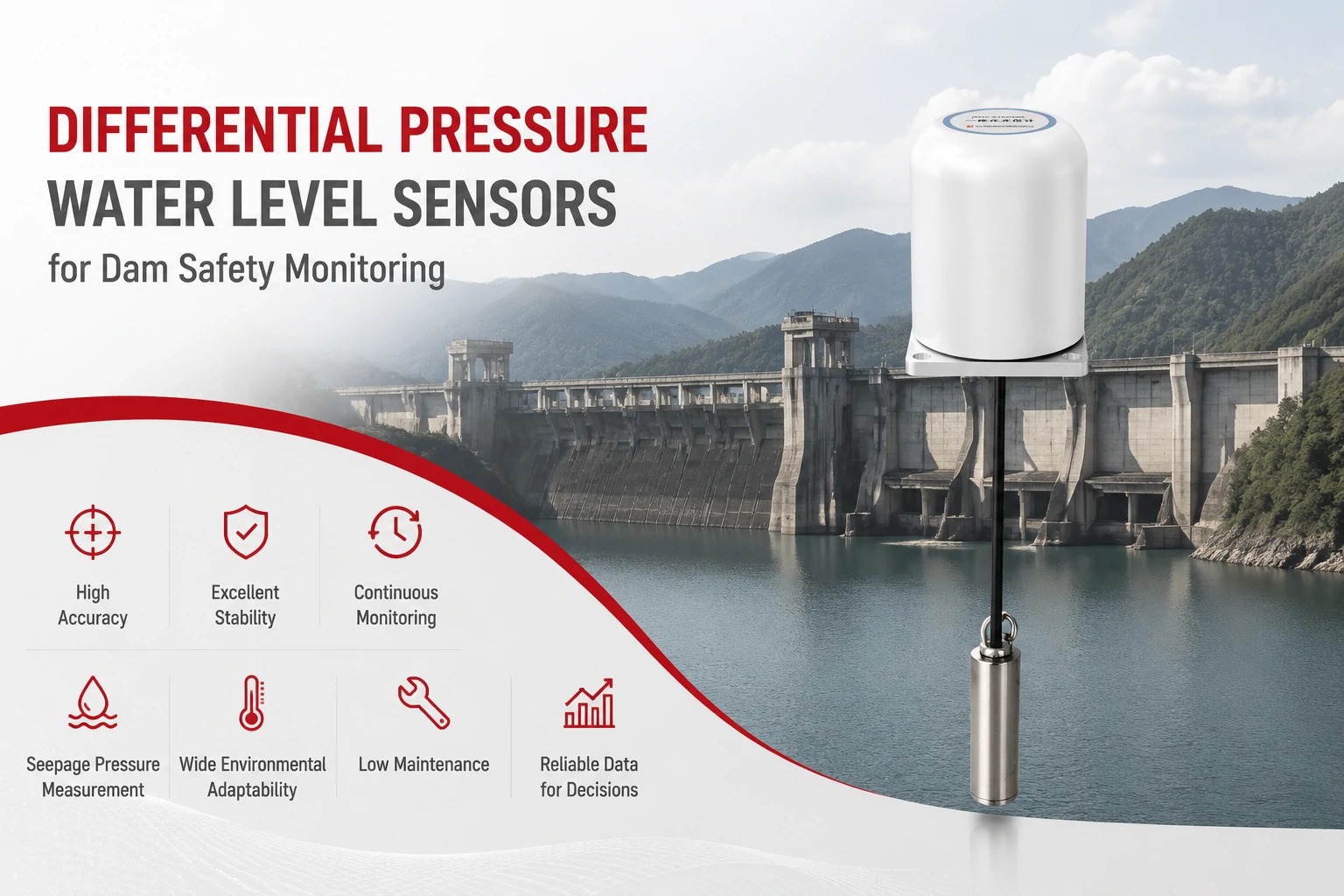
Key Takeaways The strongest fit is usually a confined, submerged, or s...
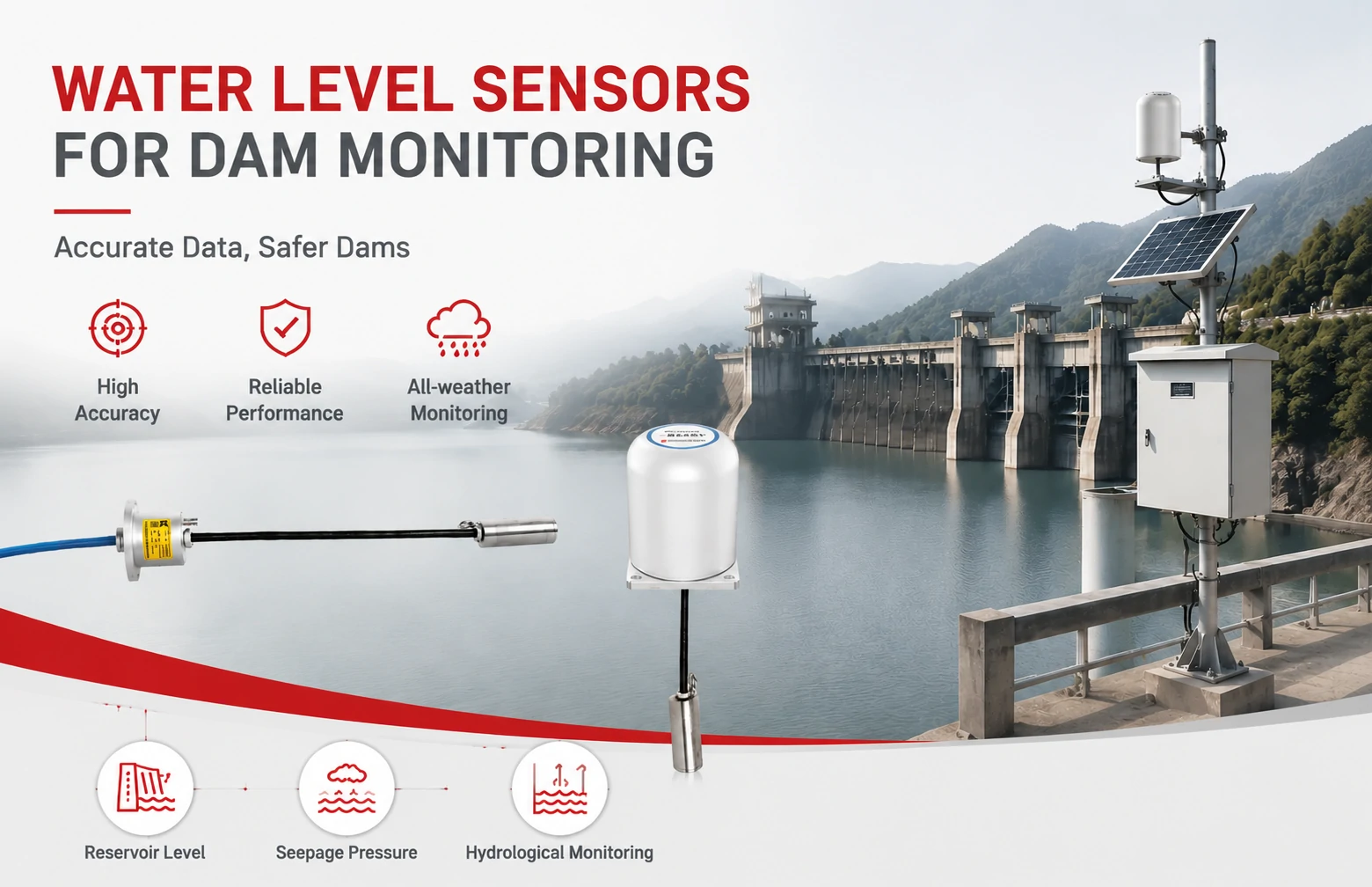
Kingmach Water Level Sensors for Dam Monitoring: A Buyer's Guide to Differential Pre...
Products
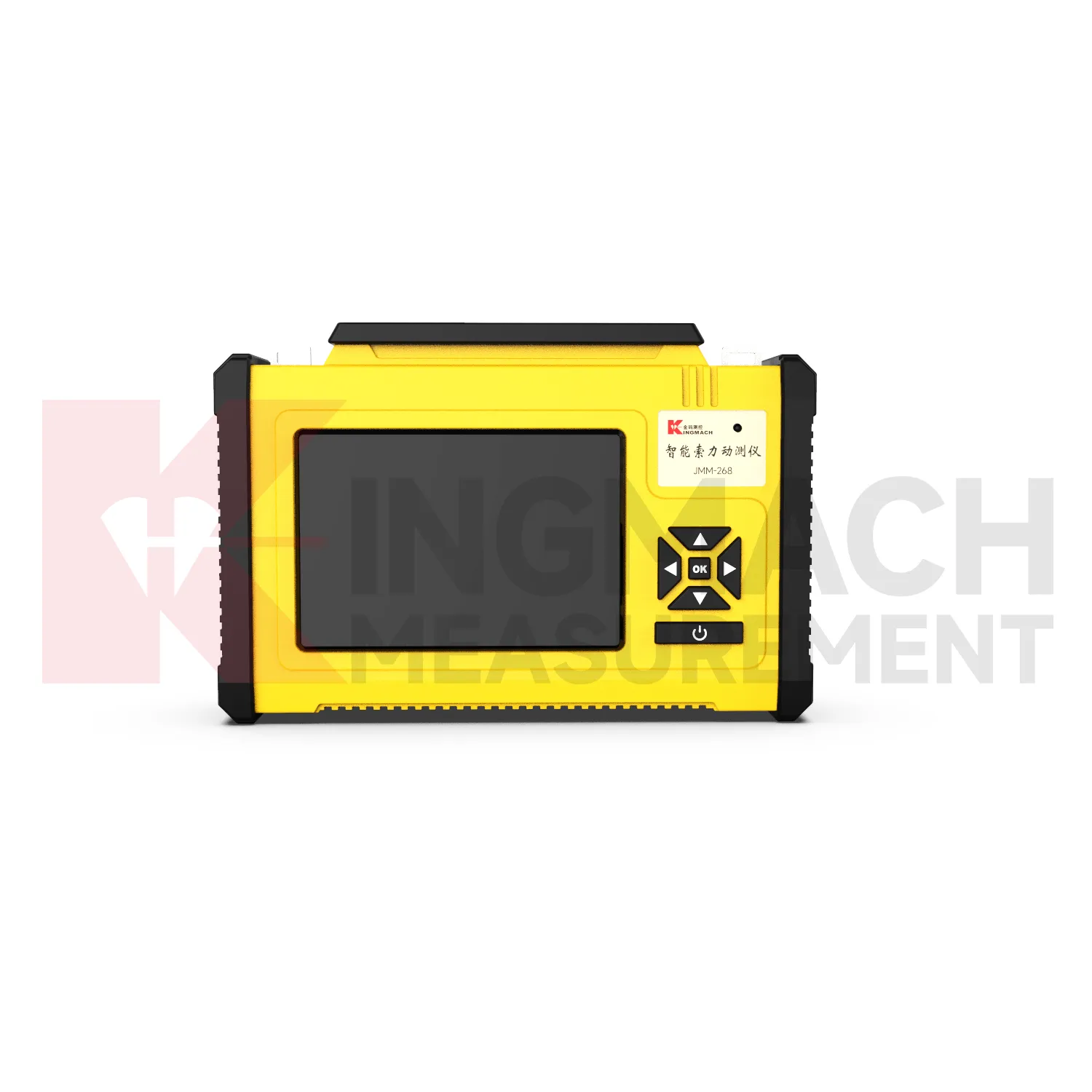
Cable force measuring instrument JMM-268L-1、2
View Details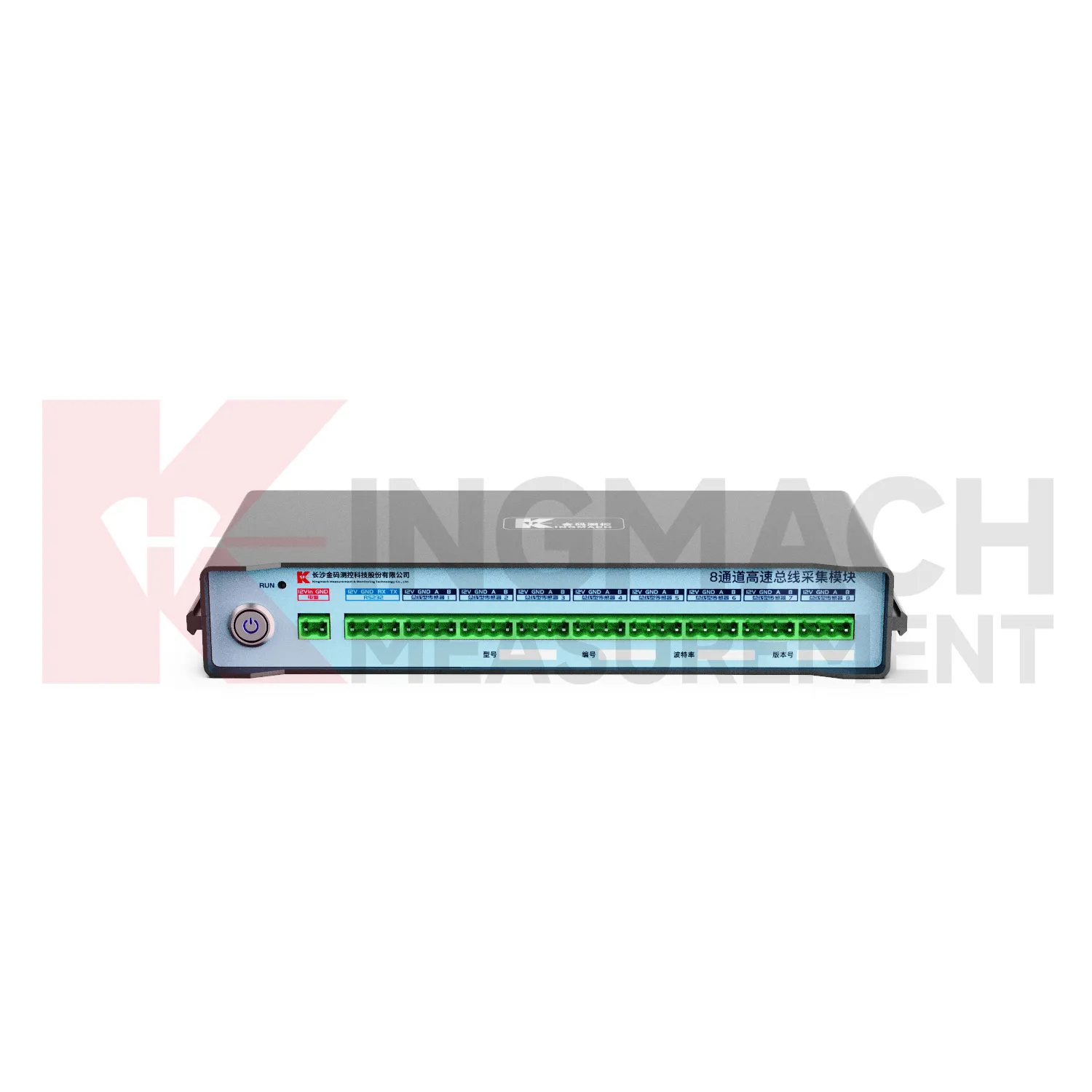
8-channel high-speed bus acquisition module JMJK-8DH
View Details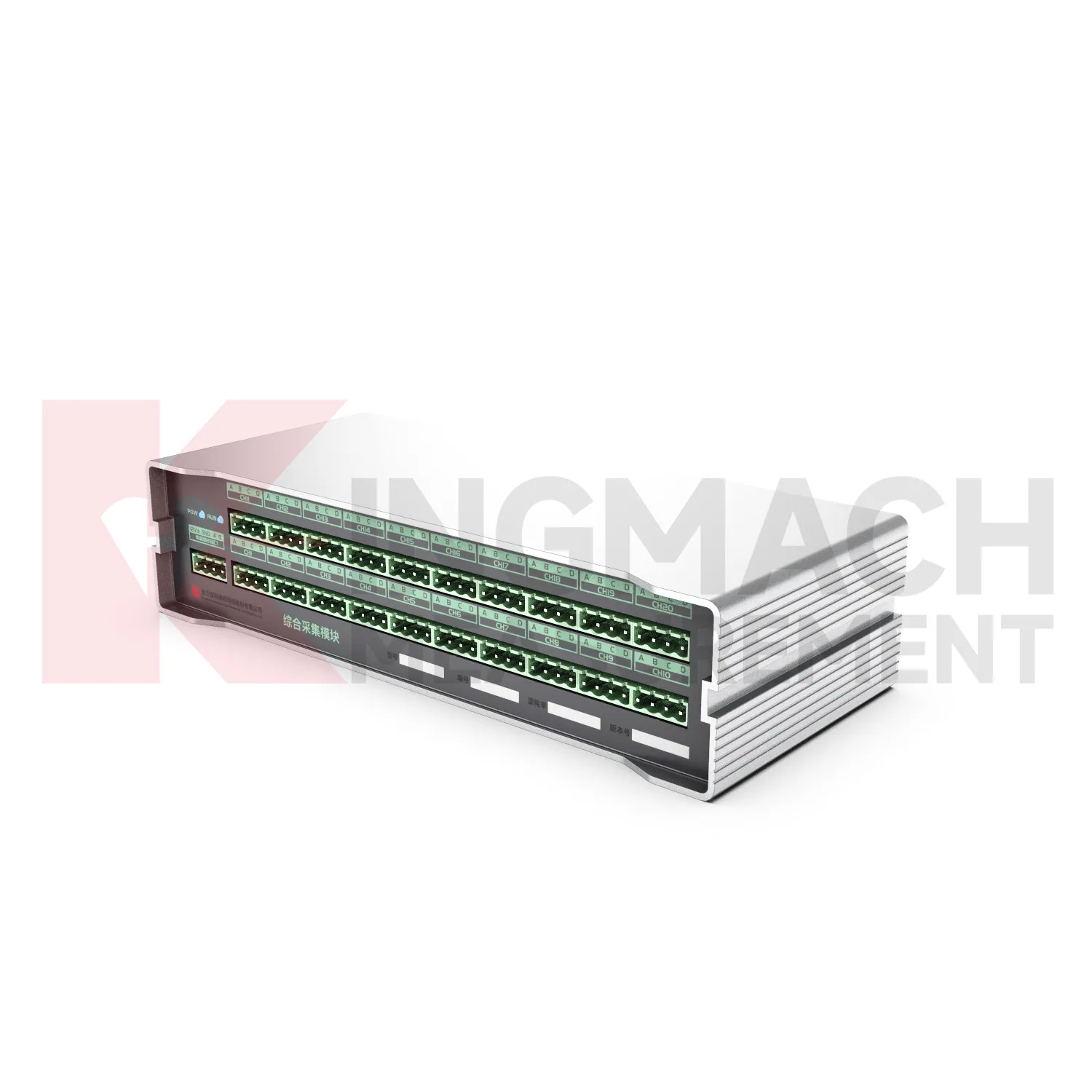
FAQ
Piezoelectric crystals generate charge, not voltage. A charge amplifier converts that charge directly into a voltage, making the signal insensitive to cable length and capacitance—important for industrial runs. A voltage amplifier measures the voltage across the sensor's capacitance, which changes with cable length. If you have more than a couple meters of cable or operate in electrically noisy environments, a charge amplifier module (which is what our conditioners use) tends to give cleaner results.
You start by looking at the maximum vibration you expect. Suppose your accelerometer gives 50 pC/g and the peak vibration is 20 g. That’s 1000 pC into the conditioner. If the conditioner’s maximum input is, say, 10 000 pC, a gain of 10 mV/pC would yield 10 V full scale—just right for a ±10 V DAQ. Our modules typically have a coarse sensitivity selector and a fine vernier knob so you can dial in the exact setting.
Several configurations provide a constant current source for IEPE sensors, often switch-selectable. That way, the same module can feed 4 mA to an integrated circuit piezoelectric sensor or act as a pure charge amplifier for high-temperature charge-mode sensors. Check the model’s front panel or datasheet for the ICP/charge toggle.
A low-pass filter blocks frequencies above your zone of interest—this prevents aliasing in the digitizer and removes high-frequency noise from the signal. Our modules typically offer multiple corner frequencies, like 100 Hz, 1 kHz, or 10 kHz, selected by a rotary switch. Some versions also include a high-pass filter to remove slow thermal drift or DC offsets, which is handy when monitoring very low-frequency events like seismic vibrations.
We provide a 4–20 mA output option for process control loops. The internally converted current signal is proportional to the selected vibration range—for instance, 4 mA at zero vibration and 20 mA at the full-scale value you set via the gain controls. You just wire the output to a PLC analog input module and configure the scaling in your software. The loop power is typically provided by the PLC itself.
Share your product type, target capacity, and application requirements. Our team can review the details and recommend a practical next step.
If you are interested in our products or want to become our partner.
Please leave your contact information, our team will contact you as soon as possible.
Mail: [email protected]
Contact Us: +8613808434127
Address: No. 188 Tongzipo West Rd, Changsha, Hunan, China