
 EN
EN
 ar
ar bg
bg hr
hr cs
cs da
da nl
nl fi
fi fr
fr de
de el
el hi
hi it
it ko
ko no
no pl
pl pt
pt ro
ro ru
ru es
es sv
sv tl
tl iw
iw id
id lv
lv lt
lt sr
sr sk
sk sl
sl uk
uk vi
vi et
et hu
hu th
th tr
tr fa
fa ms
ms hy
hy ka
ka ur
ur bn
bn mn
mn ta
ta kk
kk uz
uz ku
ku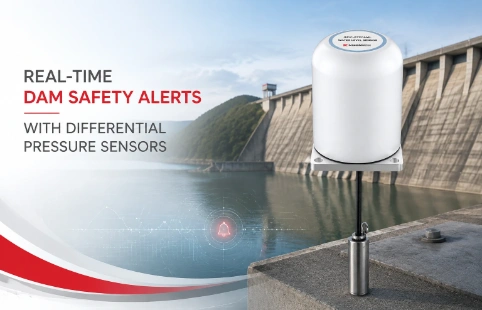
Real-Time Dam Safety Alerts with Differential Pressure Water Level Sensors
Key Takeaways An alert chain needs more than a sensor: define field in...

Smart Vibrating Wire Strain Gauge: Embedment Model
When concrete cracks, the damage isn't always visible. Measuring internal strain early means catching problems before they spread. That's where an embedment vibrating wire strain gauge comes in—and Kingmach's model is built for the long haul. This gauge uses a tensioned steel wire that vibrates at a frequency proportional to strain. It doesn’t need on-site power for excitation, so readings stay stable even years after casting. The “smart” part refers to onboard temperature sensing that adjusts strain values automatically—no separate logger channels wasted. Engineers embed these in mass concrete pours, diaphragm walls, or tunnel linings. The output is a frequency signal that travels kilometers over copper cable without degradation, a key advantage over resistive alternatives. Kingmach ships each unit with a calibration sheet specific to that serial number, so site teams can swap gauges without re-entering constants.
Technical Detail
Kingmach Measurement & Monitoring Technology builds this vibrating wire strain gauge for permanent embedment in concrete. The sensor body is machined from stainless steel with end flanges that bond tightly to the surrounding material. A small diameter tube runs the length to house the vibrating wire and an integrated NTC thermistor. Strain changes alter wire tension, shifting the resonant frequency—a reading that’s immune to cable resistance or contact issues. Common applications include pile foundations, arch dams, and bridge piers where internal stress needs tracking through curing and service life. The gauge settles in alongside rebar before concrete is poured. Its signal remains clear even in electrically noisy sites because the frequency output handles interference better than voltage loops. From a project-engineering perspective, Kingmach’s wide product range simplifies batch orders. Need non-standard gauge lengths, extra armored cables, or different end-piece geometries? That’s handled through their customization track without dragging lead times. Their network covers several continents, and local partners stock common accessories like reading boxes and lightning protectors. After-sales help typically includes calibration checks and installation guidance—support that prevents field mistakes from grinding schedules to a halt.
News
Key Takeaways An alert chain needs more than a sensor: define field in...
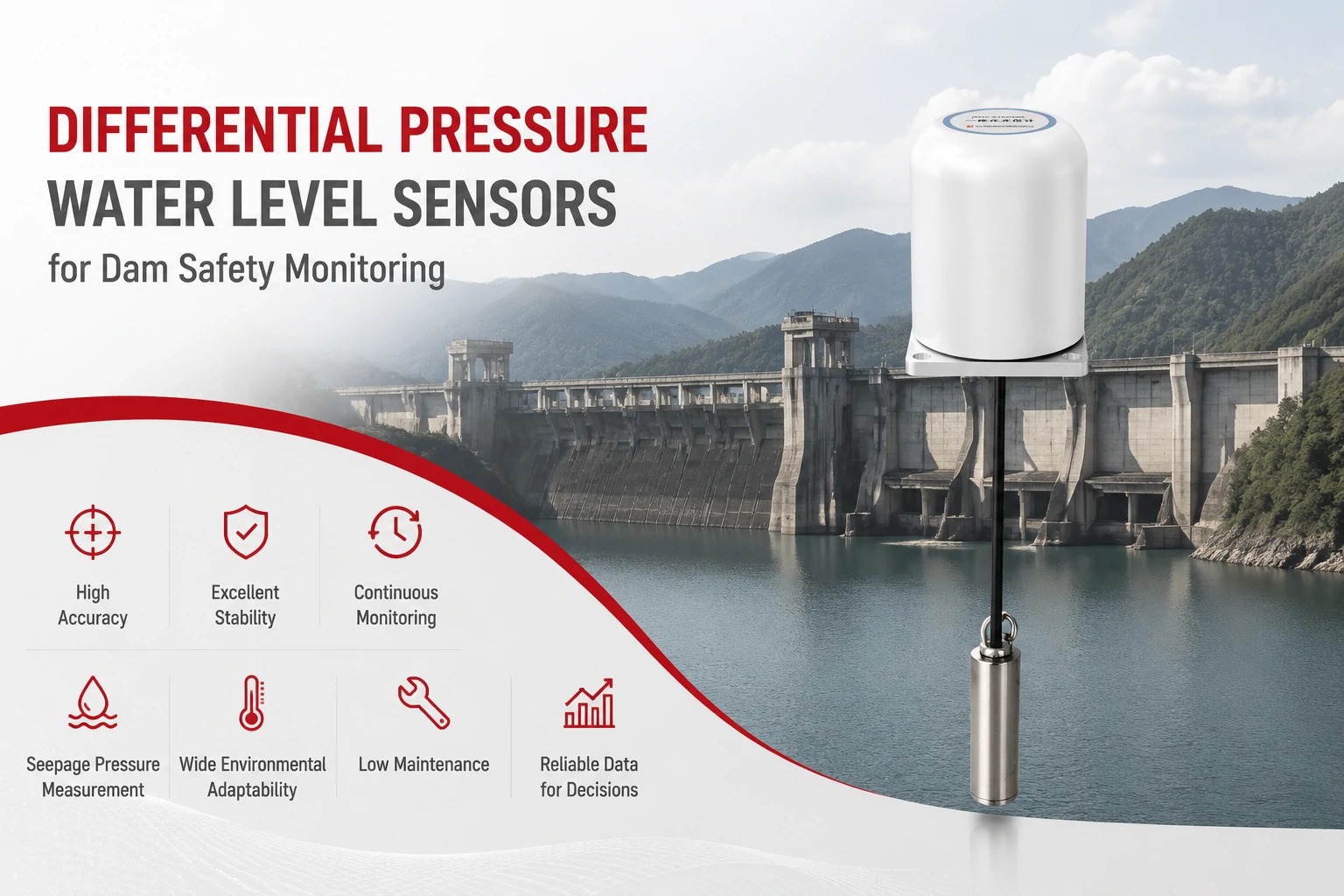
Key Takeaways The strongest fit is usually a confined, submerged, or s...
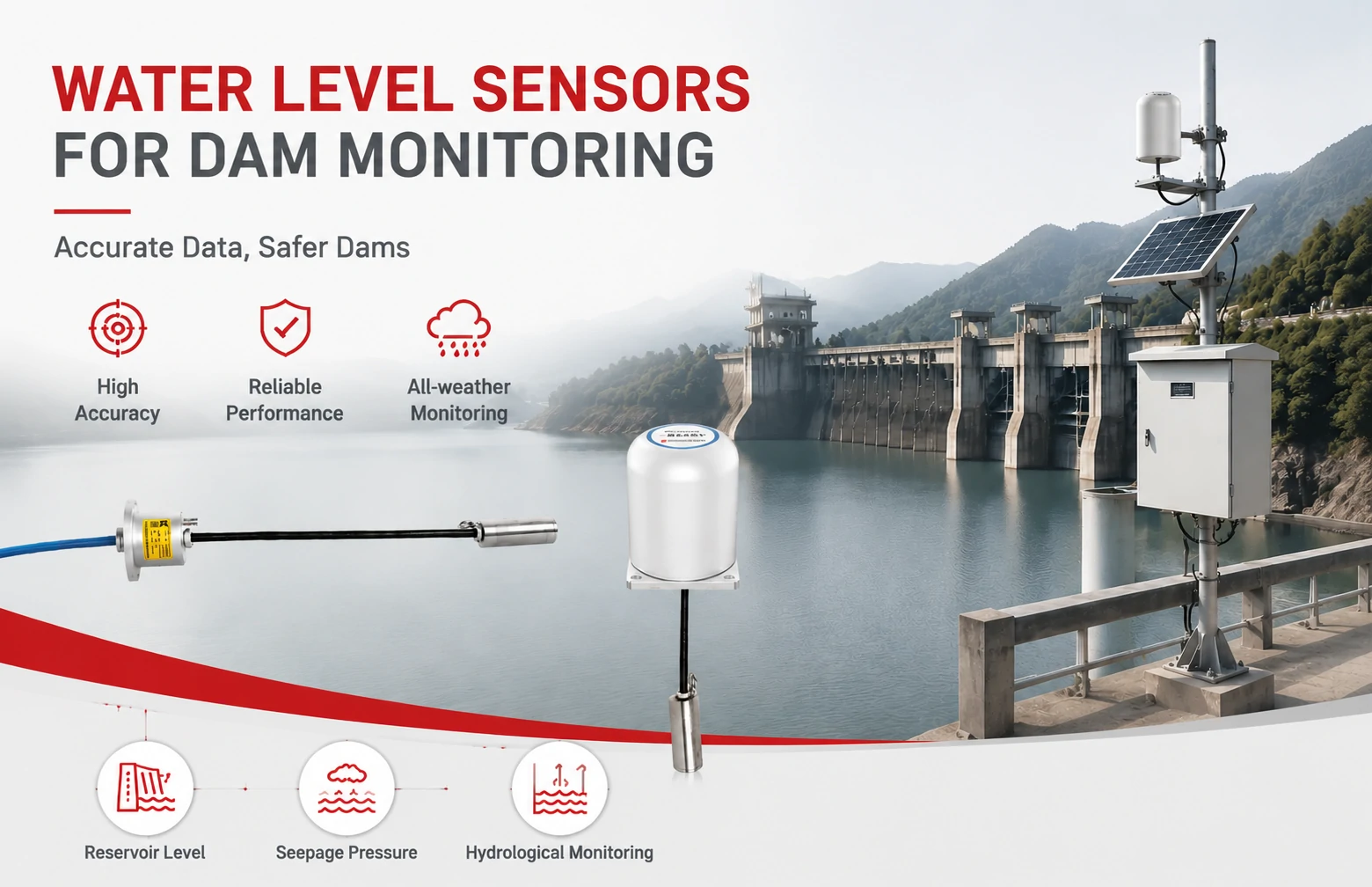
Kingmach Water Level Sensors for Dam Monitoring: A Buyer's Guide to Differential Pre...
Products
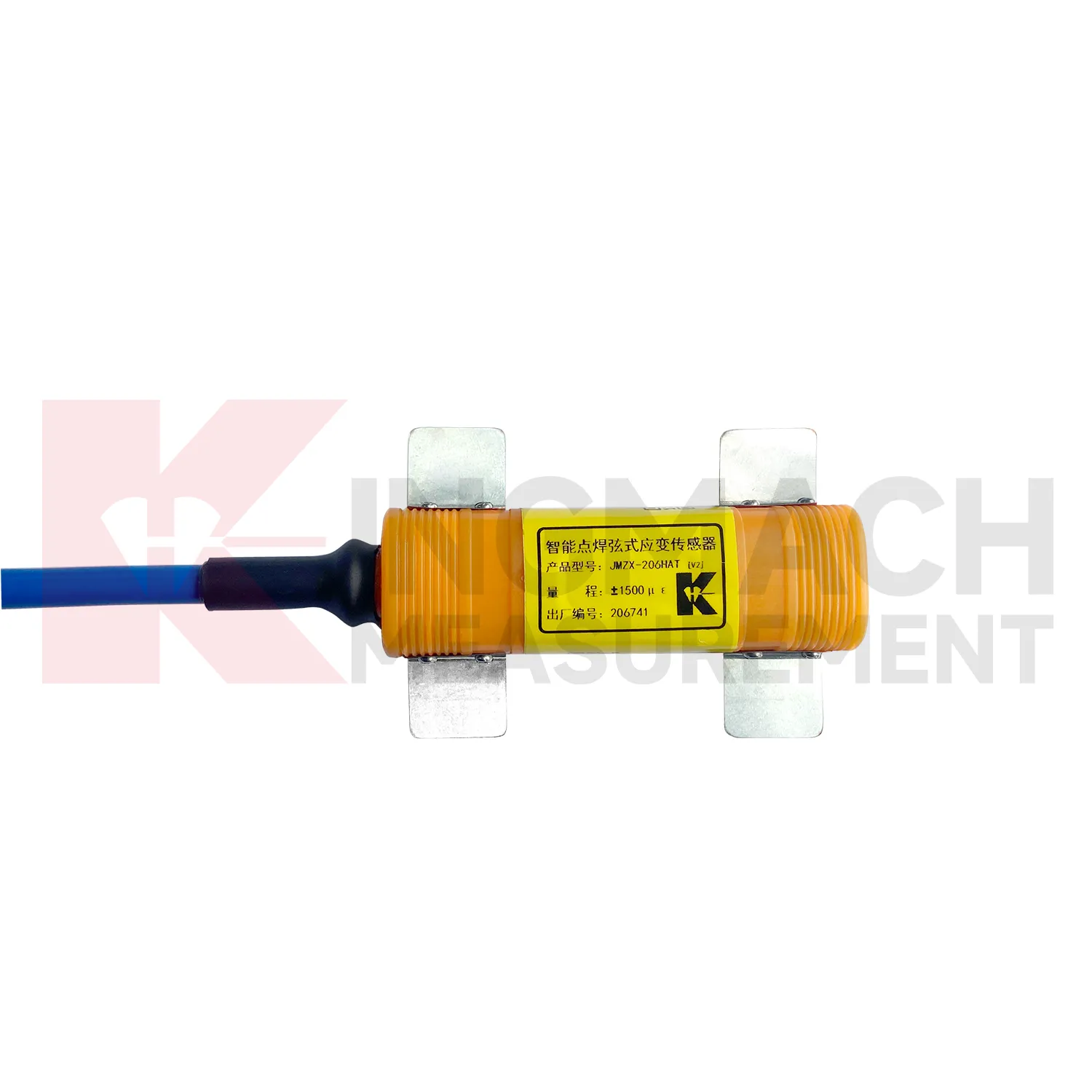
Smart vibrating wire strain gauge (surface welded model) JMZX-206HAT
View Details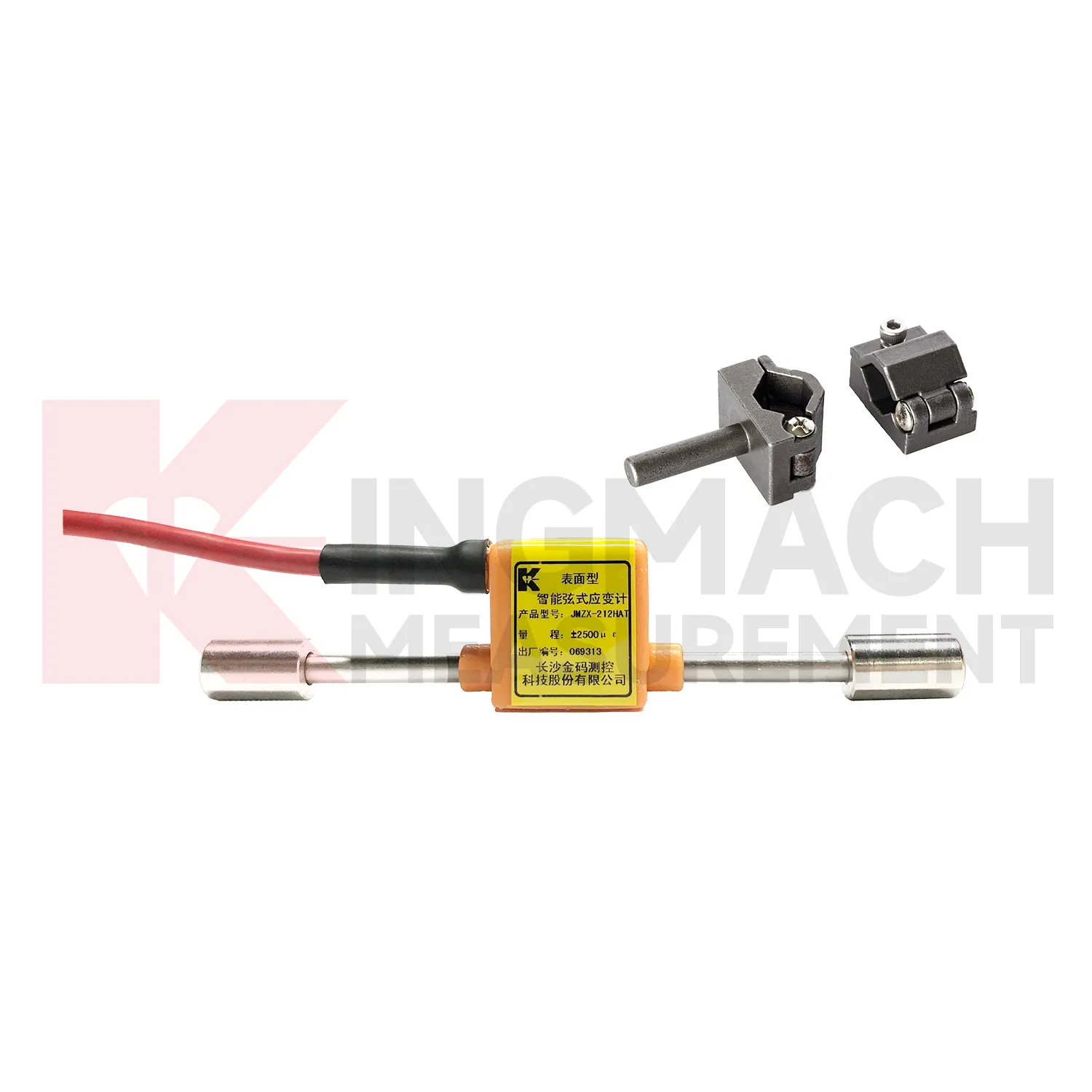
Smart vibrating wire strain gauge (surface model) JMZX-212HAT/HB
View Details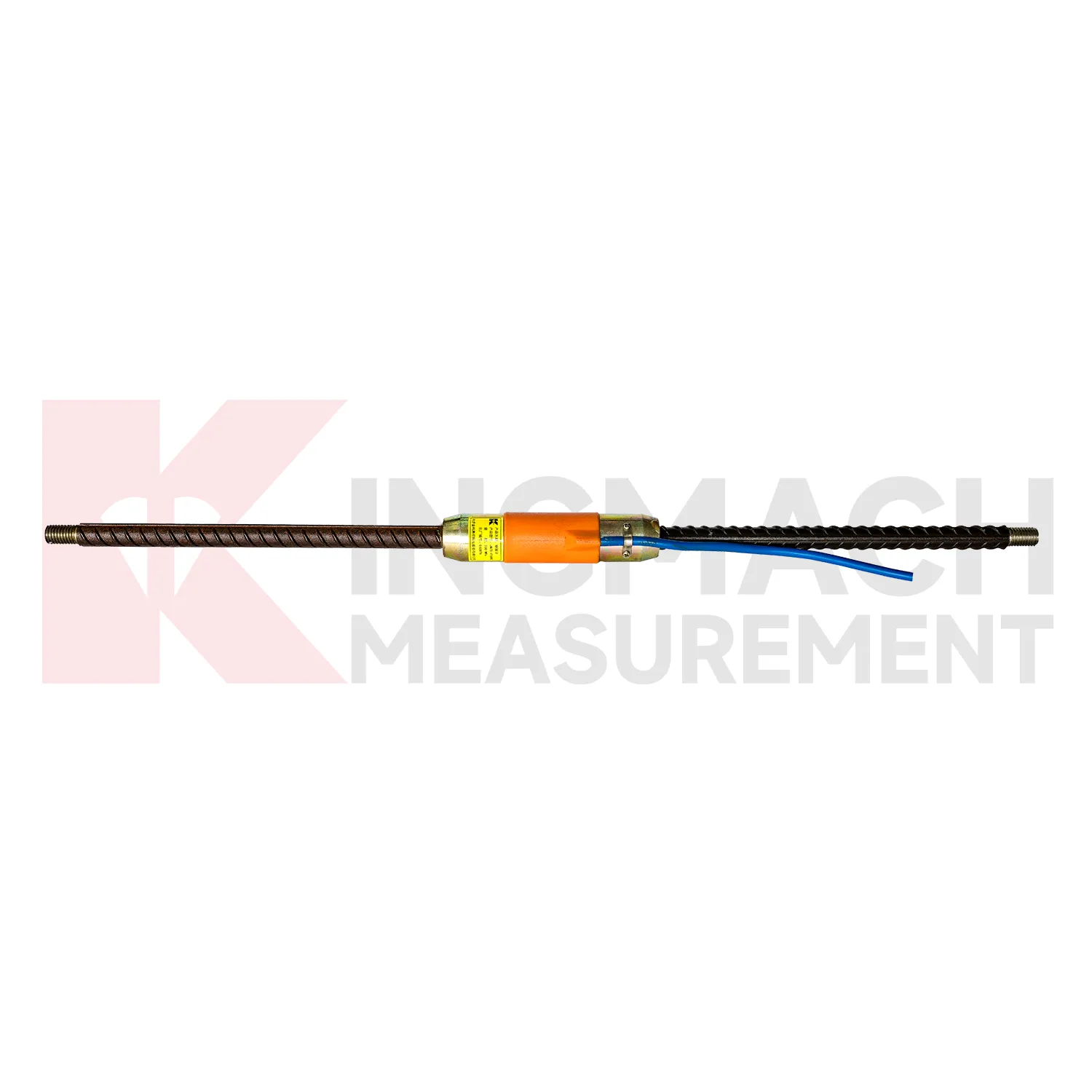
Rebar Strainmeters ( VW & Smart Type) JMZX-4XXHAT/HB
View DetailsFAQ
Gauges sealed for embedment should handle pressure if the cable entry is properly potted. Kingmach typically offers a water-blocking seal at the gauge body, and the stainless steel housing is inert. We’d confirm the exact IP rating for your depth against the project spec.
Arc-weldable models attach to steel surfaces; embedment gauges are cast into concrete. The embedment version uses end flanges to grip the concrete matrix, so it measures internal strain of the entire section—not just surface deformation on a steel member.
Any logger that reads vibrating wire frequencies—most brands from Campbell Scientific to Geokon have compatible modules. The gauge just puts out a frequency signal; you feed it a sweep current and measure the response. Kingmach can recommend settings if you share your logger model.
The built-in thermistor lets the logger correct for temperature-induced strain if you record the steel’s expansion coefficient. Many loggers do this in real time if you enter the gauge factor and the coefficient. It’s not automatic out of the box, but it’s straightforward with post-processing scripts.
Stock sensor shipments usually go out within a week. Custom lengths or special cable lengths add a few days—Kingmach keeps subassemblies ready to configure rather than starting from raw billets each time.
Share your product type, target capacity, and application requirements. Our team can review the details and recommend a practical next step.
If you are interested in our products or want to become our partner.
Please leave your contact information, our team will contact you as soon as possible.
Mail: [email protected]
Contact Us: +8613808434127
Address: No. 188 Tongzipo West Rd, Changsha, Hunan, China