
 EN
EN
 ar
ar bg
bg hr
hr cs
cs da
da nl
nl fi
fi fr
fr de
de el
el hi
hi it
it ko
ko no
no pl
pl pt
pt ro
ro ru
ru es
es sv
sv tl
tl iw
iw id
id lv
lv lt
lt sr
sr sk
sk sl
sl uk
uk vi
vi et
et hu
hu th
th tr
tr fa
fa ms
ms hy
hy ka
ka ur
ur bn
bn mn
mn ta
ta kk
kk uz
uz ku
ku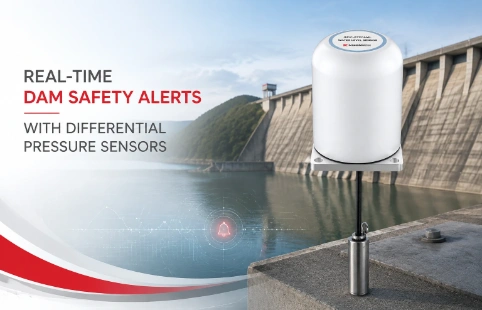
Real-Time Dam Safety Alerts with Differential Pressure Water Level Sensors
Key Takeaways An alert chain needs more than a sensor: define field in...

Industrial Inductive Displacement Transducers by Kingmach
Measuring tiny movements often separates a stable structure from a failing one. Inductive displacement transducers do this by converting mechanical motion into an electrical signal, using electromagnetic induction to track changes in position without physical contact. Kingmach builds these sensors for geotechnical environments where moisture, dust, and wide temperature swings are common. Buyers usually look for a transducer that holds its calibration, survives field abuse, and fits into awkward spaces. Our range covers sub-millimeter crack monitoring to several centimeters of joint movement, with options for LVDT-style or half-bridge configurations. Field engineers have told us they appreciate the straightforward signal conditioning and the fact that output remains linear even after years in service. Custom stem lengths, mounting threads, and cable exits are possible, and we keep stock of common variants for quick dispatch. The real test is long-term drift—something that separates a decent sensor from one you can trust in a dam or tunnel project.
Technical Detail
Kingmach inductive displacement transducers use the principle of mutual inductance to deliver repeatable position feedback. A moving core alters the coupling between primary and secondary coils, giving an analog voltage or 4-20 mA output proportional to displacement. This non-contact sensing avoids wear and tear seen in potentiometric types, which matters when the sensor is embedded in concrete or bolted to a rock face. Typical applications include crack meters, convergence monitoring in tunnels, pile load tests, and slope stability studies. We configure the electronics to match common dataloggers—vibrating wire interfaces or single-ended voltage inputs—so integration is straightforward. The housing is stainless steel, sealed to IP67 or higher, and the cable uses polyurethane jackets that resist cuts and UV. Buyers can specify stroke lengths from ±1 mm to ±100 mm or beyond, with excitation frequency and sensitivity tailored to the cable length to minimize noise. Kingmach calibrates each transducer against a laser interferometer and ships it with a traceable certificate. Beyond standard products, we work with monitoring consultants to design custom mounting brackets, pressurized versions for underwater use, and high-temperature variants for geothermal wells. Our support team helps troubleshoot signal issues and can recommend proper cable shielding if your site has heavy EMI. Most orders ship within 2-3 weeks, and we keep critical spares in regional warehouses across Southeast Asia, Europe, and the Americas.
News
Key Takeaways An alert chain needs more than a sensor: define field in...
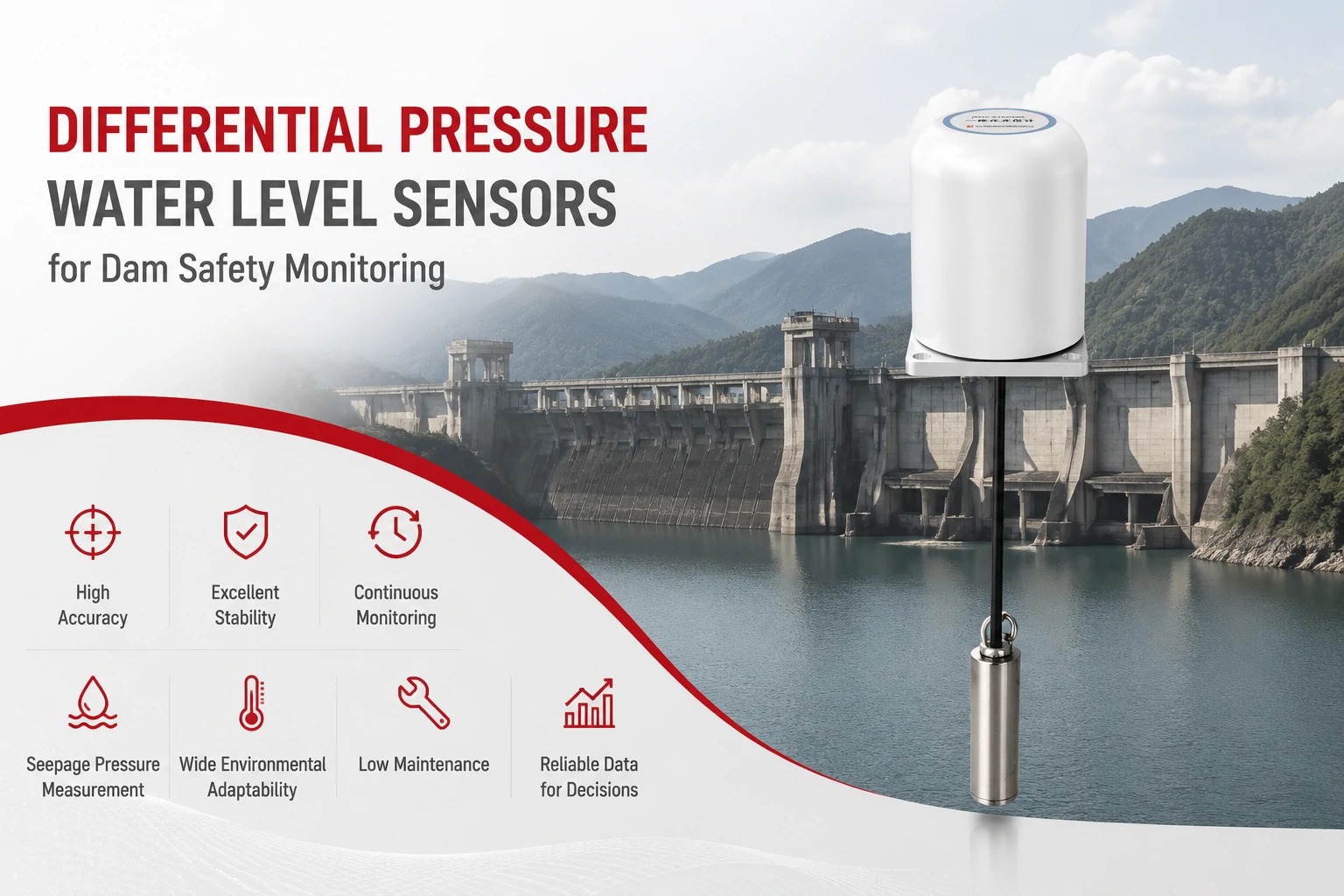
Key Takeaways The strongest fit is usually a confined, submerged, or s...
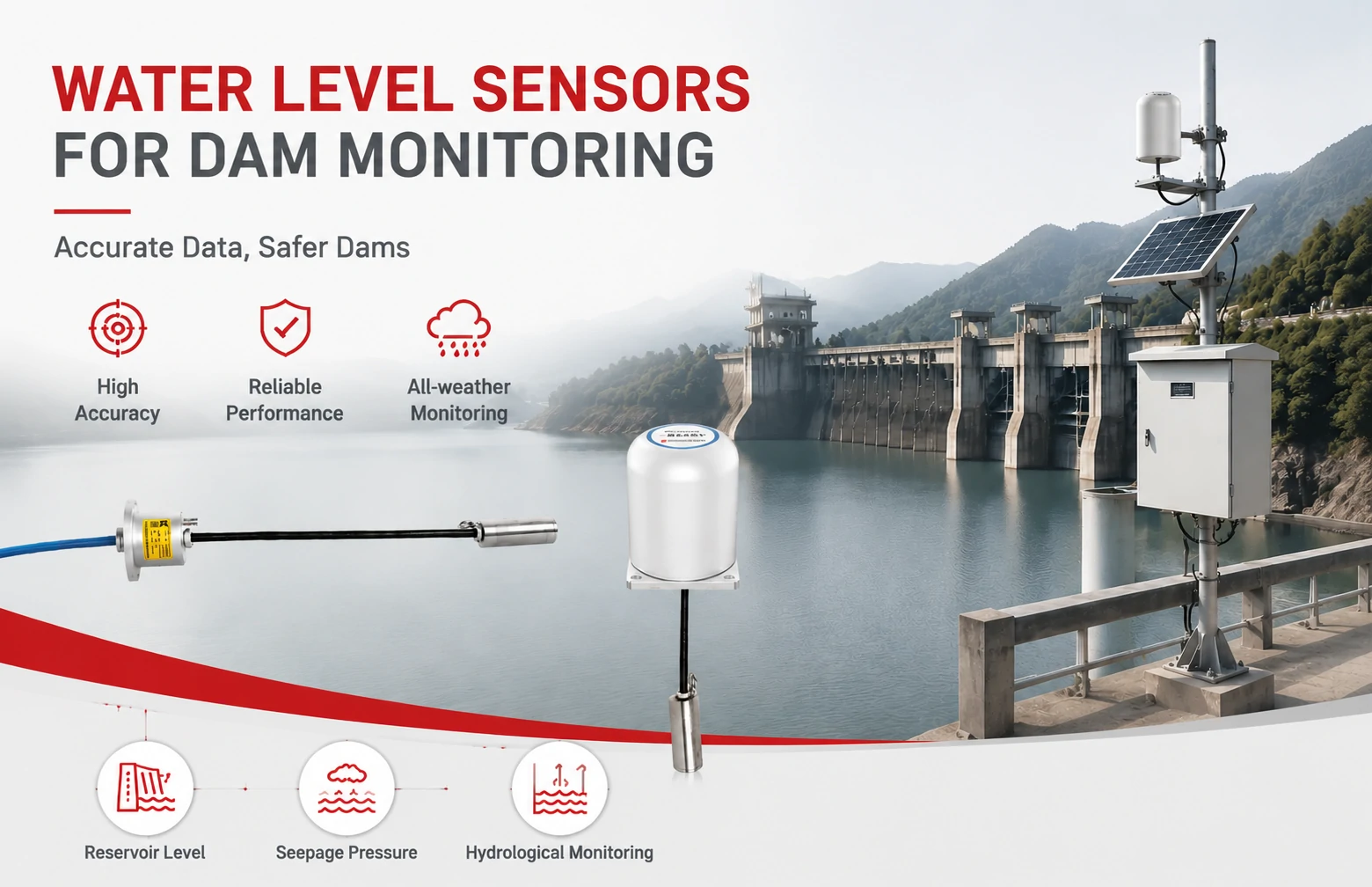
Kingmach Water Level Sensors for Dam Monitoring: A Buyer's Guide to Differential Pre...
Products
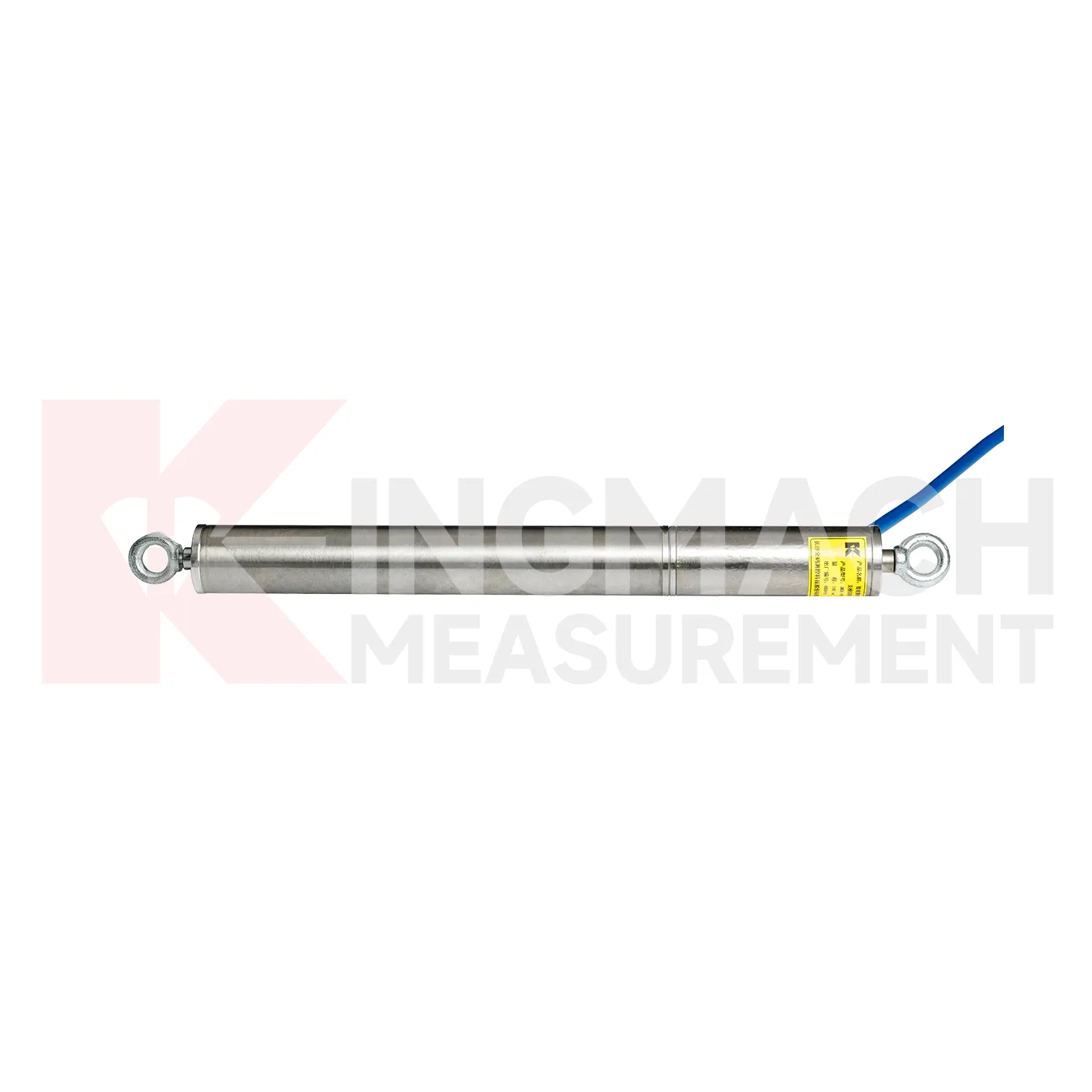
Smart Formwork Displacement Meter/ Steel Wire Displacement Meter JMDL-49XXAT
View Details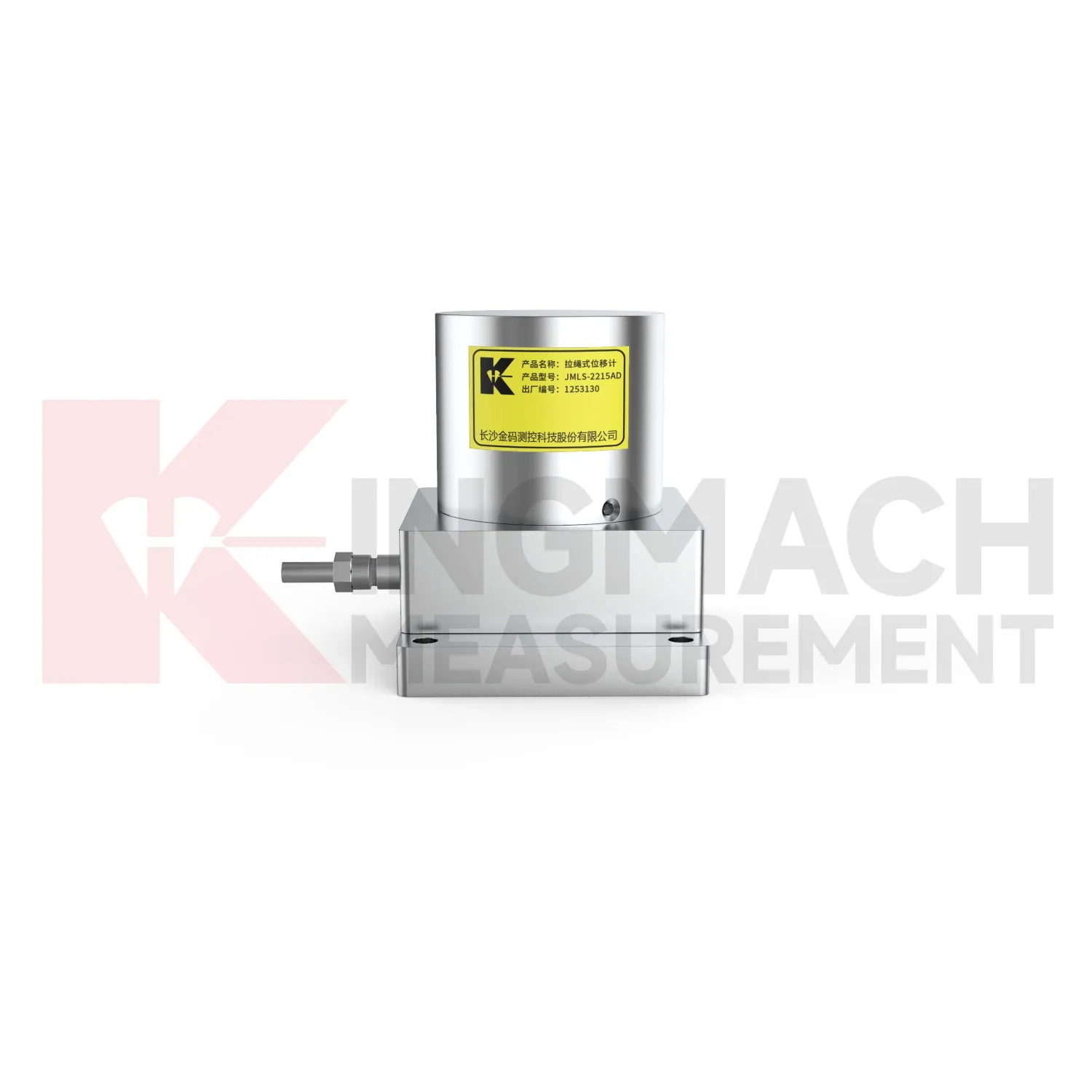
FAQ
An LVDT is actually a specific type of inductive transducer that uses a three-coil arrangement to give a highly linear differential output. In practice, many people use the terms interchangeably. Kingmach offers both LVDT-style and simple half-bridge inductive probes. The half-bridge is lower cost and works well with our standard signal conditioners, while the full LVDT gives better temperature stability and is preferred for precision lab applications.
Yes, with the right sealing. Our standard sensors are IP68 rated for temporary immersion, but for permanent underwater use we add a welded pressure housing and use a cable with a molded jacket that can handle down to 100 meters depth. We also offer vented versions to equalize pressure and avoid cable wicking.
You want the expected displacement to stay within 80% of the sensor’s full range to avoid nonlinearity near the ends. For crack monitoring in a concrete dam, ±5 mm is typical. For a landslide inclinometer chain, you might need ±50 mm or more. Our team can review your project data and suggest a safe range, keeping in mind that over-ranging can damage the core stops.
Most Campbell data loggers read differential voltage easily. We match the transducer to a 2.5 V DC excitation and provide a ±2.5 V output, which you can wire directly to the analog input. For long cable runs, we recommend a 4-20 mA current loop with an external 12-24 V supply. We also have an interface box that converts the AC LVDT signal to a stable DC voltage if your logger lacks AC excitation.
Every sensor comes with a calibration sheet showing displacement versus output at several points, traceable to national standards. For most geotechnical monitoring, you can go 2-3 years between checks unless the sensor experiences a shock or extreme temperature cycle. We offer factory recalibration service and can supply a portable calibrator if you need to verify on site.
Share your product type, target capacity, and application requirements. Our team can review the details and recommend a practical next step.
If you are interested in our products or want to become our partner.
Please leave your contact information, our team will contact you as soon as possible.
Mail: [email protected]
Contact Us: +8613808434127
Address: No. 188 Tongzipo West Rd, Changsha, Hunan, China