
 EN
EN
 ar
ar bg
bg hr
hr cs
cs da
da nl
nl fi
fi fr
fr de
de el
el hi
hi it
it ko
ko no
no pl
pl pt
pt ro
ro ru
ru es
es sv
sv tl
tl iw
iw id
id lv
lv lt
lt sr
sr sk
sk sl
sl uk
uk vi
vi et
et hu
hu th
th tr
tr fa
fa ms
ms hy
hy ka
ka ur
ur bn
bn mn
mn ta
ta kk
kk uz
uz ku
ku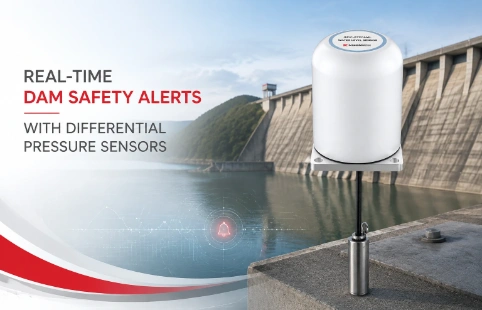
Real-Time Dam Safety Alerts with Differential Pressure Water Level Sensors
Key Takeaways An alert chain needs more than a sensor: define field in...

Tension Load Cells Built for Reliable Force Monitoring
Most tension measurement jobs share a common headache: you need a sensor that holds up under constant pull, yet still reads accurately after thousands of cycles. Kingmach designs tension load cells for exactly that kind of use. Our range covers everything from light-duty S‑beam cells for hopper scales to heavy-link types for crane load monitoring. Instead of generic catalog products, we offer customization options that let you match the mechanical interface, output signal, and environmental protection to your actual installation. The result is a sensor that fits your structure, not the other way around. Inside the field, clients often tell us that this adaptability cuts commissioning time and reduces the need for pesky recalibration checks later on.
Technical Detail
A tension load cell from Kingmach starts with the sensing element — typically a strain gauge bridge bonded to a machined metal body. We use alloy steel or stainless steel depending on whether the job is indoors or out at sea. The housing itself is designed to withstand side loads and dynamic forces that often appear in cable and wire measurement. Sealing follows IP66 or IP67 as standard, with optional higher ratings for submerged use. Output signals span common choices: mV/V for compatibility with most weight indicators, or 4–20 mA / 0–10 V for direct connection to PLCs. Field-adjustable signal conditioning boards can be integrated when space is tight. Production happens under calibration procedures traceable to national standards, so every unit leaves with a test certificate as proof of linearity and repeatability. Capacity options range from 100 kg to 100 t, covering application scenarios as diverse as overhead crane monitoring, anchor line testing, and force verification in material tensile test rigs. For projects with unusual mounting constraints, we can adapt clevis, eye-bolt, or threaded rod ends — often with little lead-time impact because the basic transducer design remains unchanged. This coupling of standard core components with modular end fittings is how we keep lead times reasonable without stockpiling hundreds of variants. Global shipping and a distributor network mean the same product specs are supported in multiple time zones, and our engineers can participate in commissioning calls if the site setup gets unusual. That technical backup matters most when the tension load cell goes into a system that must be safety-certified or audited regularly.
News
Key Takeaways An alert chain needs more than a sensor: define field in...
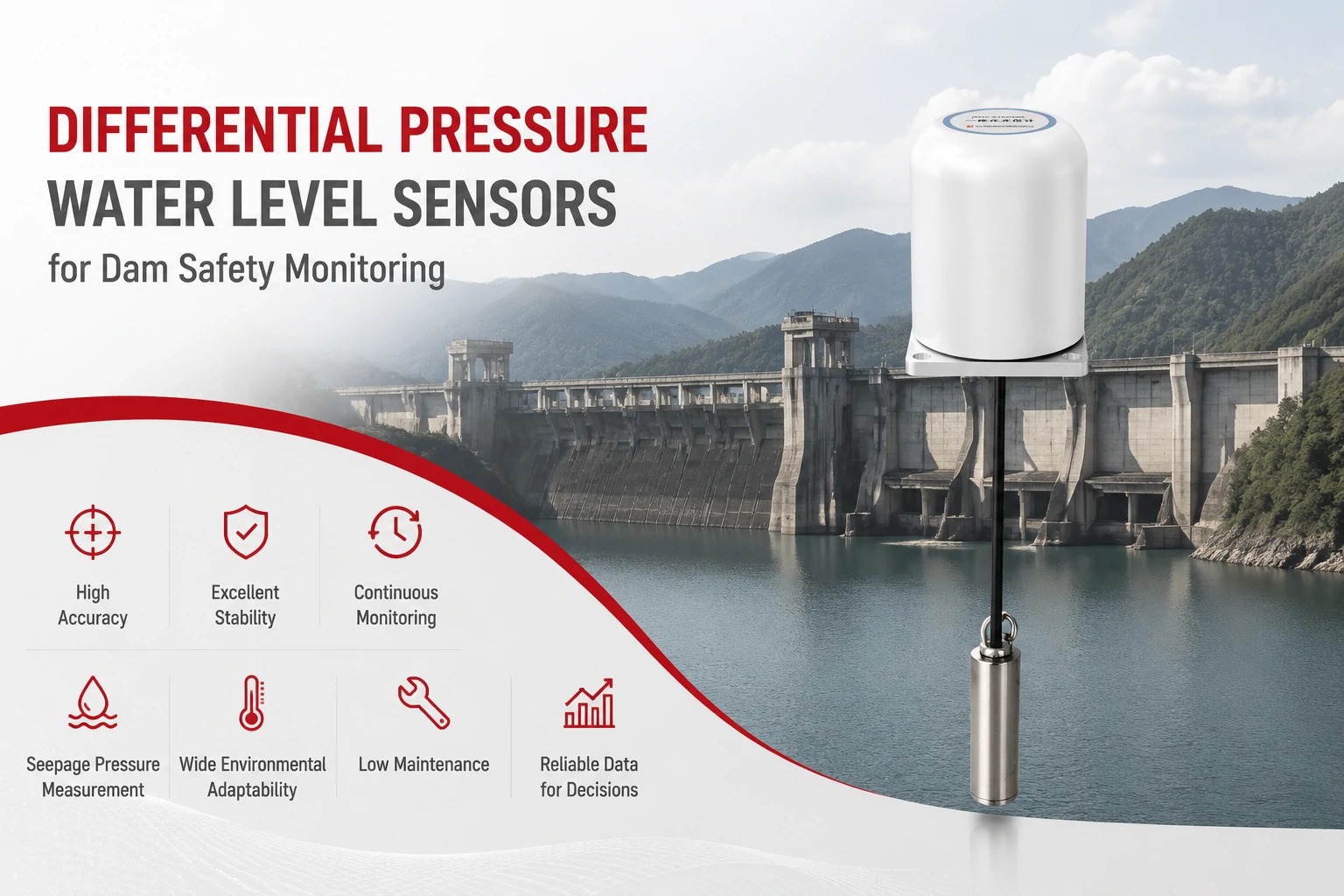
Key Takeaways The strongest fit is usually a confined, submerged, or s...
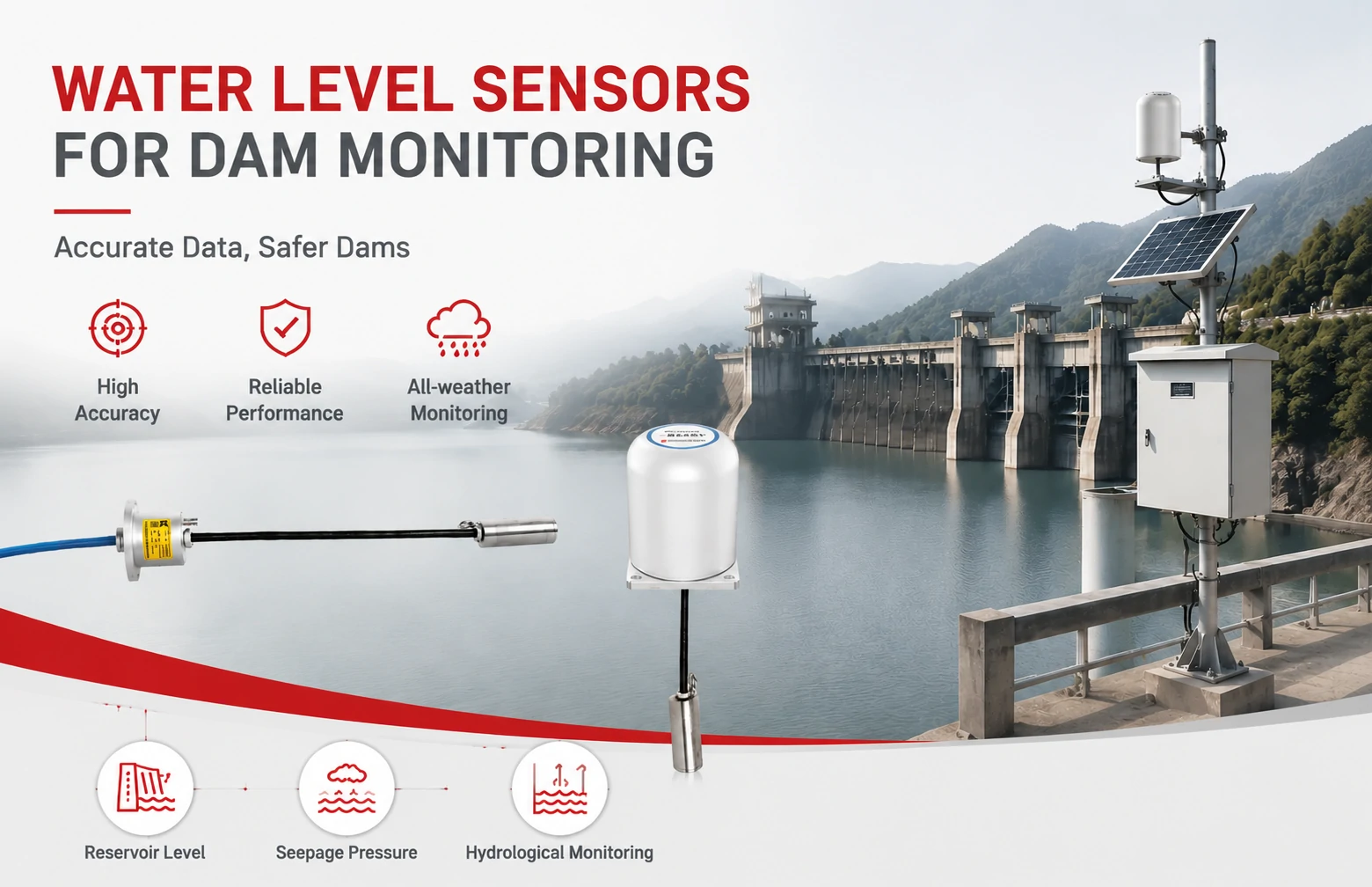
Kingmach Water Level Sensors for Dam Monitoring: A Buyer's Guide to Differential Pre...
Products
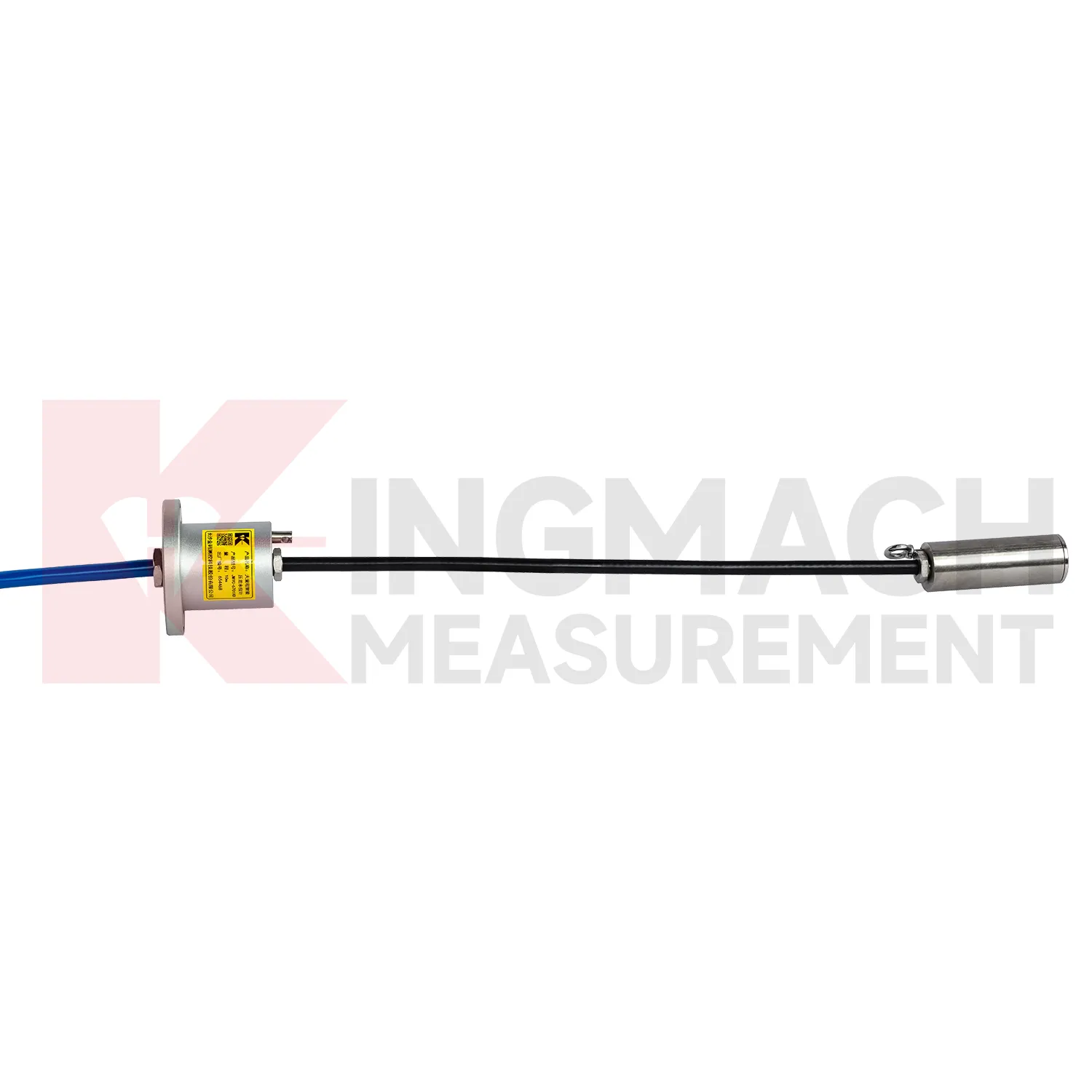
Wide-Range Smart Differential Pressure Water Level Meter JMYC-67XXAD
View Details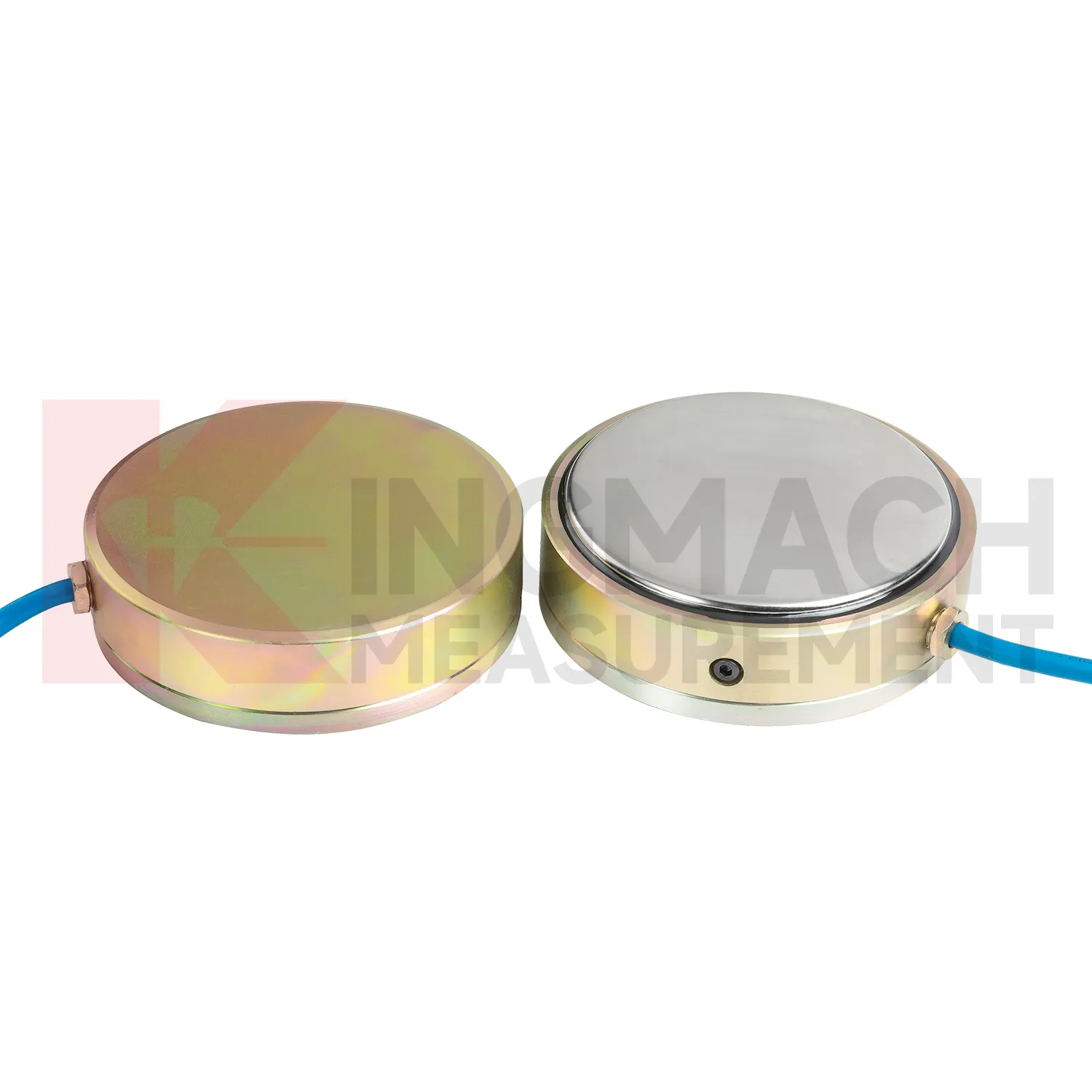
Earth Pressure Cell ( VW & Smart Type) JMZX-50XXAT/ ATM
View DetailsFAQ
It mostly comes down to the mechanical connection. S‑beam cells have threaded holes at each end — they’re easy to mount in-line on a rod or cable. Link types use pinholes and clevis forks, which handle higher capacities and are more common on crane hooks and shackles. If you’re unsure, share a sketch of the mounting points; our team can suggest which body style reduces off-axis loading.
Yes. Standard units typically meet IP66 or IP67, which is enough for rain, dust, and washdown. For submersion or offshore exposure, we can upgrade sealing and use stainless steel bodies with better corrosion resistance. We also offer milled housings that avoid water-trapping pockets — a small detail that pays back in coastal projects.
The default is mV/V, which suits most weighing indicators and load cell amplifiers. If your control system expects 4–20 mA, 0–10 V, or RS485, we can build in a miniature signal conditioner directly into the cell or supply an external module. Digital outputs (RS485) simplify multi-cell bus wiring and sometimes reduce the cost of long cable runs.
Lead time depends on the customization depth. Standard cells with minor end-fitting changes typically ship in 2–3 weeks. Heavily modified designs, such as different material grades or special overload stops, may take 4–6 weeks. We keep core sensing assemblies in stock, which helps limit the delay even for custom jobs.
Every unit leaves our test bench with a traceable calibration certificate. If your project requires a third-party accredited certificate, we can arrange that as an optional service. Calibration data covers linearity, hysteresis, and repeatability for the standard temperature range, with optional extended-range testing available.
Share your product type, target capacity, and application requirements. Our team can review the details and recommend a practical next step.
If you are interested in our products or want to become our partner.
Please leave your contact information, our team will contact you as soon as possible.
Mail: [email protected]
Contact Us: +8613808434127
Address: No. 188 Tongzipo West Rd, Changsha, Hunan, China