
 EN
EN
 ar
ar bg
bg hr
hr cs
cs da
da nl
nl fi
fi fr
fr de
de el
el hi
hi it
it ko
ko no
no pl
pl pt
pt ro
ro ru
ru es
es sv
sv tl
tl iw
iw id
id lv
lv lt
lt sr
sr sk
sk sl
sl uk
uk vi
vi et
et hu
hu th
th tr
tr fa
fa ms
ms hy
hy ka
ka ur
ur bn
bn mn
mn ta
ta kk
kk uz
uz ku
ku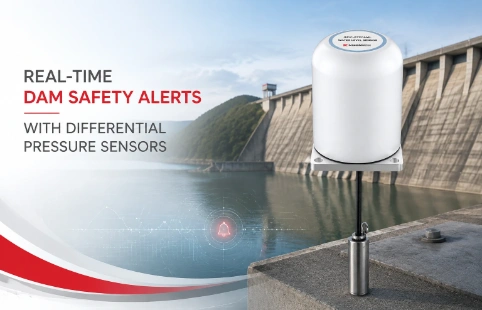
Real-Time Dam Safety Alerts with Differential Pressure Water Level Sensors
Key Takeaways An alert chain needs more than a sensor: define field in...

Strain Gage Load Cells: Accurate Force Sensing for Field Monitoring
When a retaining wall shifts or a bridge bearing settles, the data that catches it often comes from a strain gage load cell buried in concrete or bolted to steel. Kingmach has been building these sensors for geotechnical monitoring long enough to know that what matters isn't just the rated capacity—it's how the cell holds up under years of temperature swings, moisture, and real-world loading. Our strain gage load cells cover a range from small anchor monitoring to heavy pile testing, with outputs that plug into most dataloggers without fuss. The strain gage bridge isn't exotic, but getting it sealed, shielded, and stable for field use takes attention to detail. We do our own bonding and calibration, and we ship cells with full traceability. Whether you're instrumenting diaphragm walls, load frames, or tieback anchors, we can adjust dimensions, cable lengths, and connectors to fit your site layout. The goal is a reading you trust when it matters most.
Technical Detail
Kingmach strain gage load cells are built for embedded and surface-mounted force measurement in civil infrastructure. The sensing element is a precision foil strain gage bonded to a high-strength alloy column or shear web, arranged in a full Wheatstone bridge. We use stainless steel for corrosive environments and offer IP68-rated sealing on models intended for wet boreholes or underwater use. Compensation resistors keep the zero and span stable from -20°C to 70°C, which matters when the cell is poured into concrete and left for years. Output is typically 2 mV/V at rated capacity, with calibration traceable to national standards. Capacities range from a few hundred kilonewtons to several meganewtons, and we can customize mounting surfaces—flat load buttons, spherical seats, or threaded anchor interfaces—to match your test setup. Cable exits are reinforced, and we supply armored cable for sites where backfilling might damage standard jackets. For dynamic monitoring, the small deflection and high natural frequency of our column-type cells give usable bandwidth up to a few hundred hertz. In pile load tests, our cells often pair with displacement transducers and data acquisition systems we also supply, simplifying site logistics. Every cell ships with a calibration certificate showing actual sensitivity, input/output resistance, and shunt calibration values. After sales, we help with troubleshooting noise sources, integrator compatibility, or long-term drift questions.
News
Key Takeaways An alert chain needs more than a sensor: define field in...
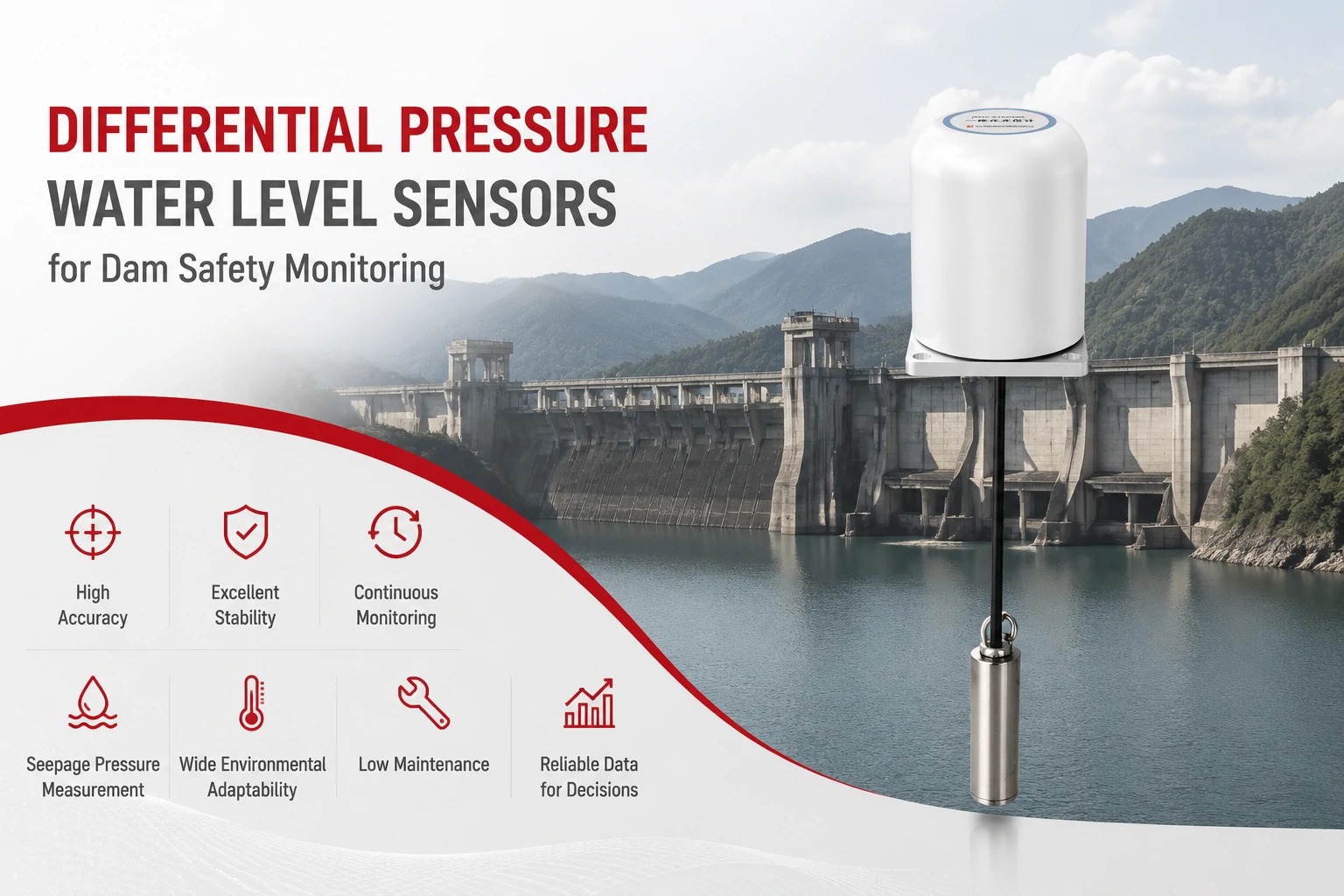
Key Takeaways The strongest fit is usually a confined, submerged, or s...
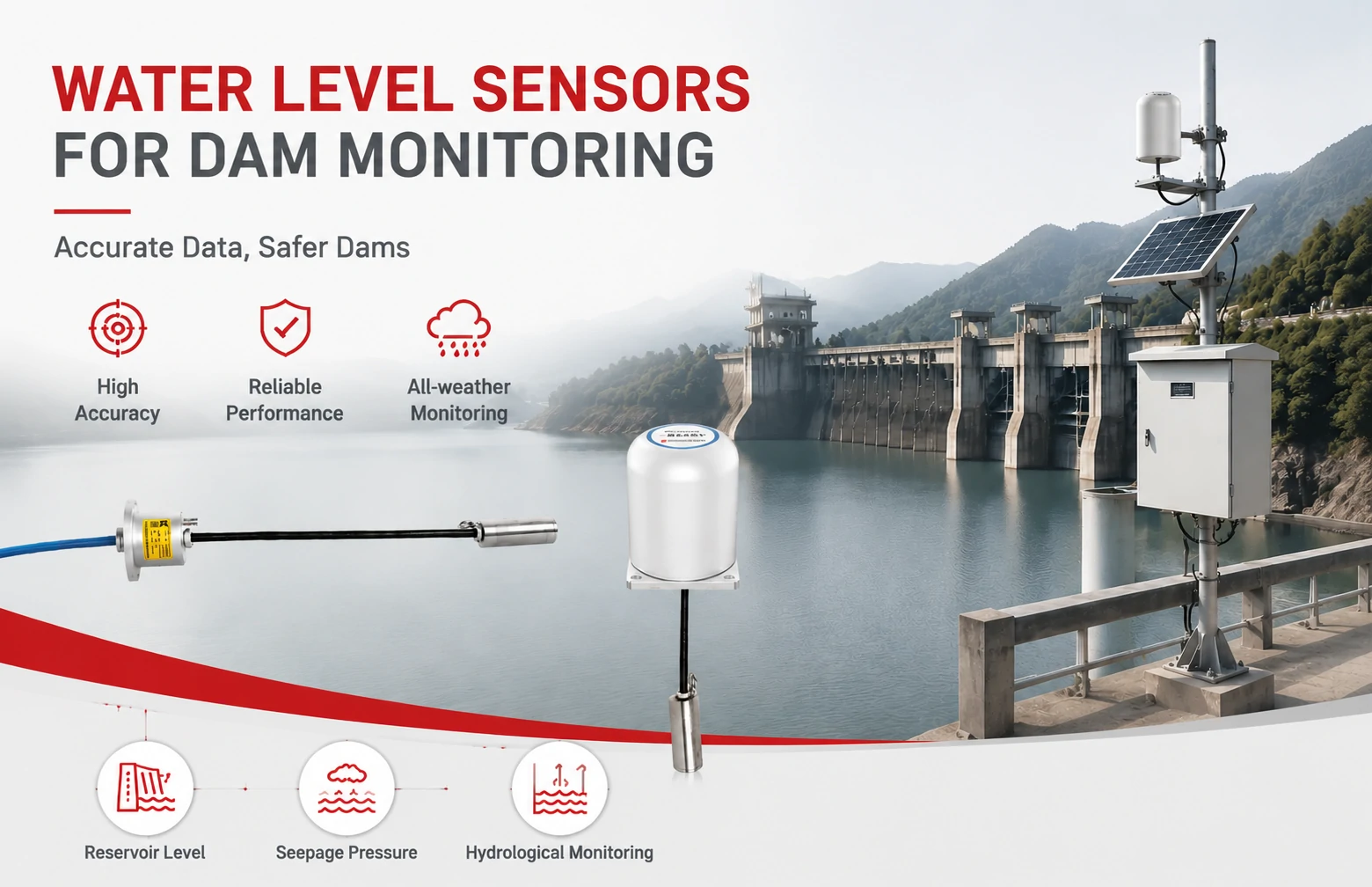
Kingmach Water Level Sensors for Dam Monitoring: A Buyer's Guide to Differential Pre...
Products
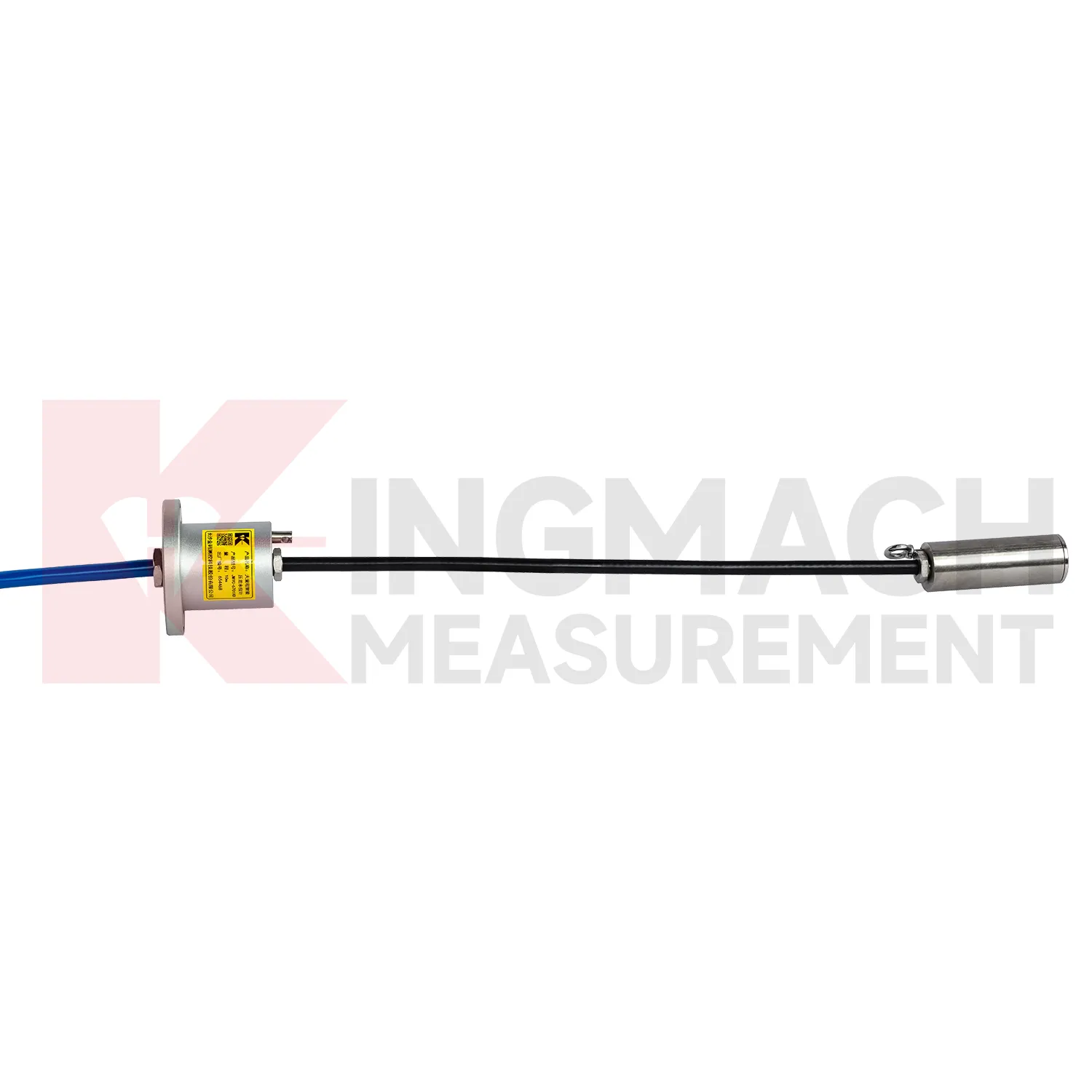
Wide-Range Smart Differential Pressure Water Level Meter JMYC-67XXAD
View Details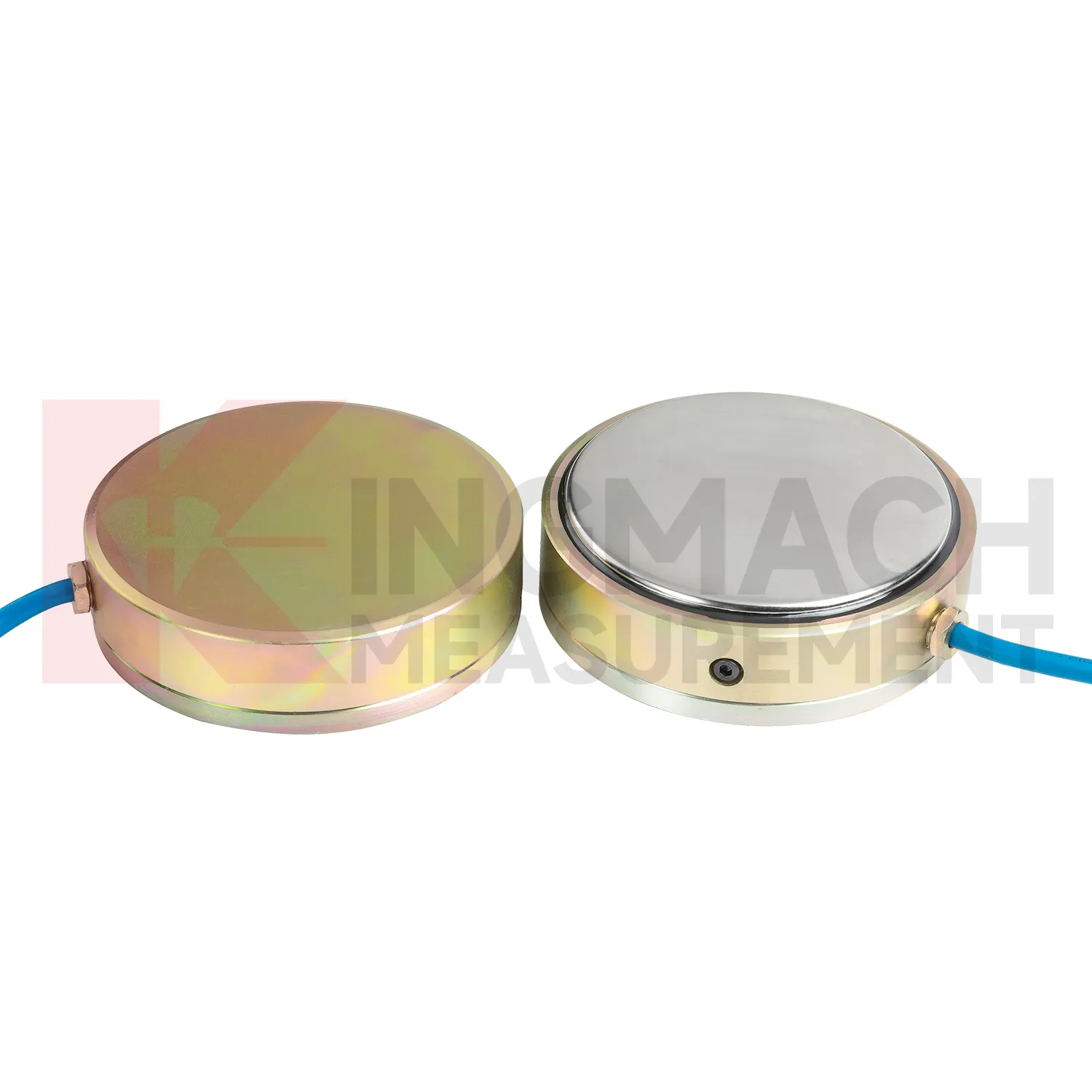
Large Earth Pressure Cell ( VW & Smart Type) JMZX-51XXAT/ ATM
View Details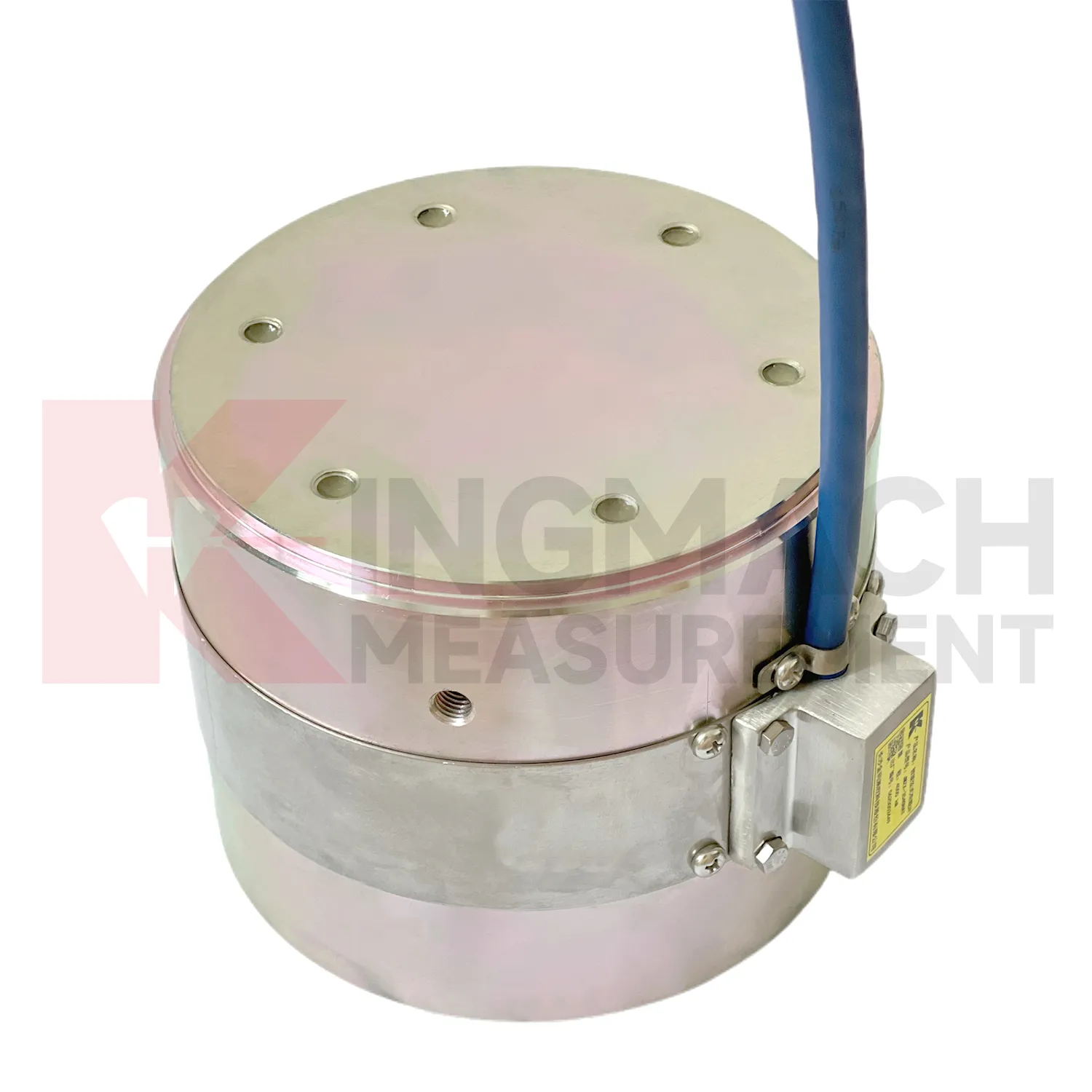
Solid load cell JMZX-34XXHAT、35XXHAT、36XXHAT
View DetailsFAQ
Our strain gage load cells include internal compensation resistors that keep zero and span stable within the rated temperature range. If you're dealing with fast thermal transients—like sun exposure on a steel bearing—we recommend a dummy gage or a shading cover. We also provide temperature correction coefficients if you want to apply post-processing in your software.
Use a spherical seat or a hardened flat load button above the cell. The loading surface should be machined flat and parallel. In pile tests, we often weld a guide ring and use a thin layer of quick-setting grout to ensure full contact. Radial clearances matter—we can supply mounting accessories machined to your plunger diameter.
Yes, IP68-rated versions with welded stainless steel housings and cable gland seals are common. Typical depth rating is 100 meters, but we can test to higher pressures if your project calls for it. Just let us know the working pressure and duration so we match the cable jacket and crimp sealing.
Our cells are calibrated against force reference standards, not hydraulic pressure. If you compare the mV/V output with a jack's manometer reading, you'll often see a discrepancy because the jack friction isn't accounted for. A better check is to put the cell in series with a calibrated reference load cell—we can help set up that comparison if needed.
Output is ratiometric, typically 2 mV/V at rated load, with an excitation of 5–10 V DC. Most geotechnical dataloggers accept this directly. We can also integrate an inline signal conditioner to give you 4–20 mA or 0–5 V if your system requires it. Just tell us the input card specs and we'll match the gain.
Share your product type, target capacity, and application requirements. Our team can review the details and recommend a practical next step.
If you are interested in our products or want to become our partner.
Please leave your contact information, our team will contact you as soon as possible.
Mail: [email protected]
Contact Us: +8613808434127
Address: No. 188 Tongzipo West Rd, Changsha, Hunan, China