
 EN
EN
 ar
ar bg
bg hr
hr cs
cs da
da nl
nl fi
fi fr
fr de
de el
el hi
hi it
it ko
ko no
no pl
pl pt
pt ro
ro ru
ru es
es sv
sv tl
tl iw
iw id
id lv
lv lt
lt sr
sr sk
sk sl
sl uk
uk vi
vi et
et hu
hu th
th tr
tr fa
fa ms
ms hy
hy ka
ka ur
ur bn
bn mn
mn ta
ta kk
kk uz
uz ku
ku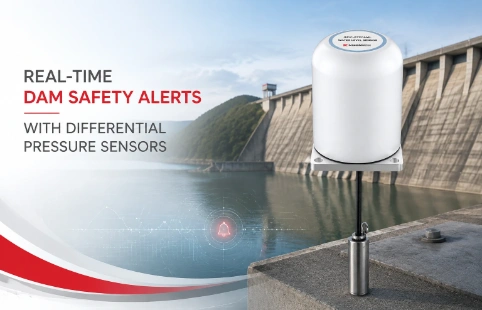
Real-Time Dam Safety Alerts with Differential Pressure Water Level Sensors
Key Takeaways An alert chain needs more than a sensor: define field in...

Strain Gauge Displacement Transducers for Demanding Monitoring
When a dam moves by a fraction of a millimeter, someone needs to know about it. That’s where strain gauge displacement transducers come in. Kingmach has been building these sensors for over a decade, and they’re used in projects where precision can’t be compromised—think tunnels, bridges, and deep excavations. Instead of complex installation, these transducers are straightforward: a strain-sensing element converts movement into an electrical signal, giving you real-time data on displacement. We offer a range of models that handle strokes from a few millimeters up to several hundred, with outputs compatible with most data loggers. What sets our approach apart is the focus on reliability in harsh environments—sealed construction, temperature compensation, and robust cables that survive construction sites. Whether you’re monitoring a retaining wall or a landslide zone, the data you get is consistent. No fluff, just functional hardware that works when you’re not watching.
Technical Detail
Kingmach strain gauge displacement transducers are built around a simple principle: a precision strain gauge bridge converts mechanical displacement into a proportional electrical signal. The sensing element is housed in a rugged stainless steel or aluminum body, depending on the range, with IP67-level sealing to keep out moisture and dust. Strokes available from 10mm to 500mm cover most civil engineering and geotechnical requirements. The output is typically a voltage or 4-20mA current loop, so it plays well with standard monitoring systems. One thing worth noting: these transducers use low-friction bearings and spring-loaded probes to ensure repeatable measurements—less than 0.1% full-scale error is common, based on calibration reports we’ve seen across production batches. For long-term installations, the strain gauge elements are thermally compensated to minimize drift from temperature swings. Mounting options include rod-end bearings and clevises, which simplify alignment on site. Kingmach also offers customization: if you need a different cable length, a specific connector, or a modified measurement range, the engineering team can adjust the design. This flexibility matters on projects where off-the-shelf sensors don’t fit the geometry or environment. In practice, these transducers are found monitoring crack widths in dams, measuring convergence in tunnels, and tracking settlement in foundation pits. Their track record comes down to building them with good components and testing each unit before it ships. Technical support is available to help with integration into SCADA or wireless logging networks.
News
Key Takeaways An alert chain needs more than a sensor: define field in...
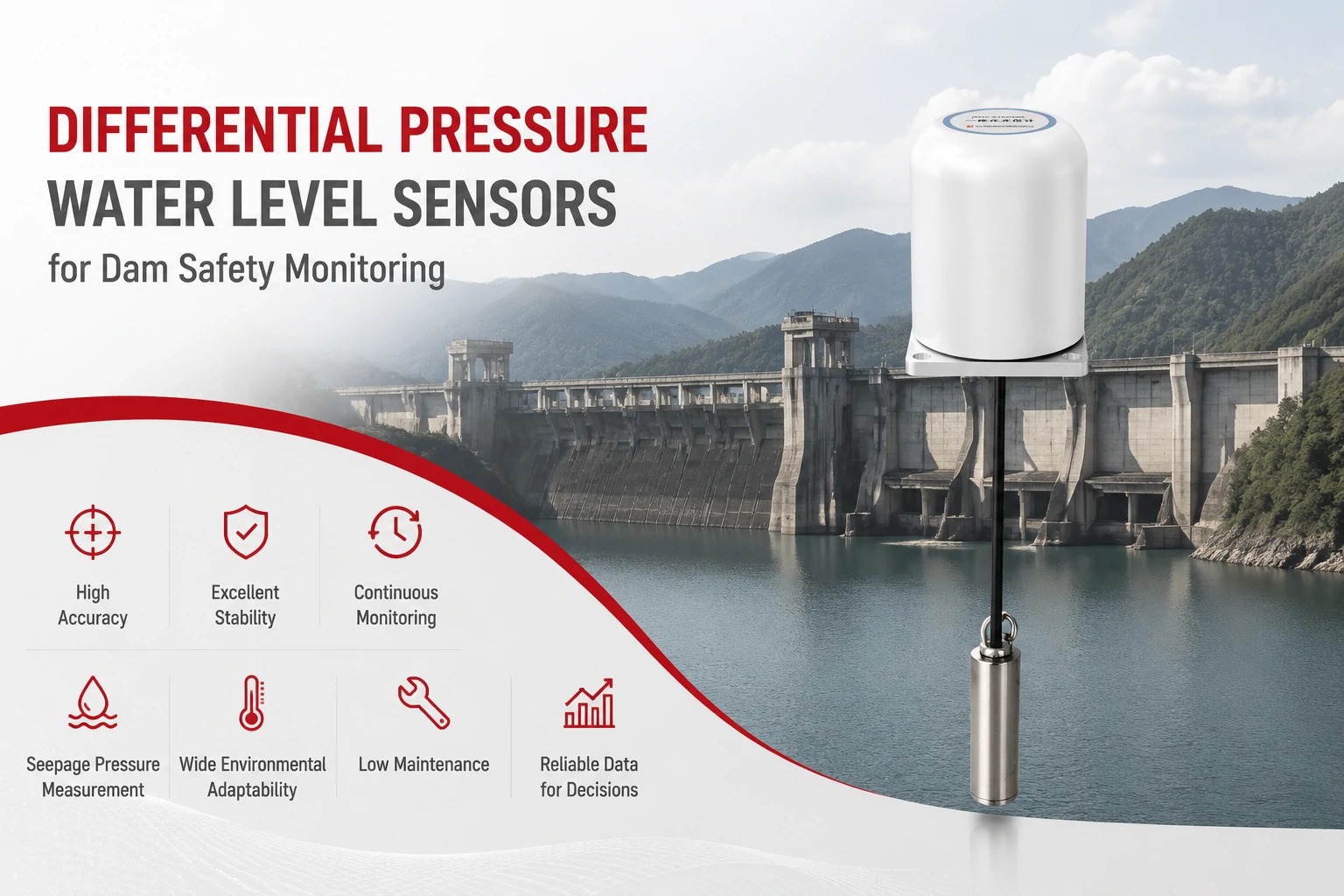
Key Takeaways The strongest fit is usually a confined, submerged, or s...
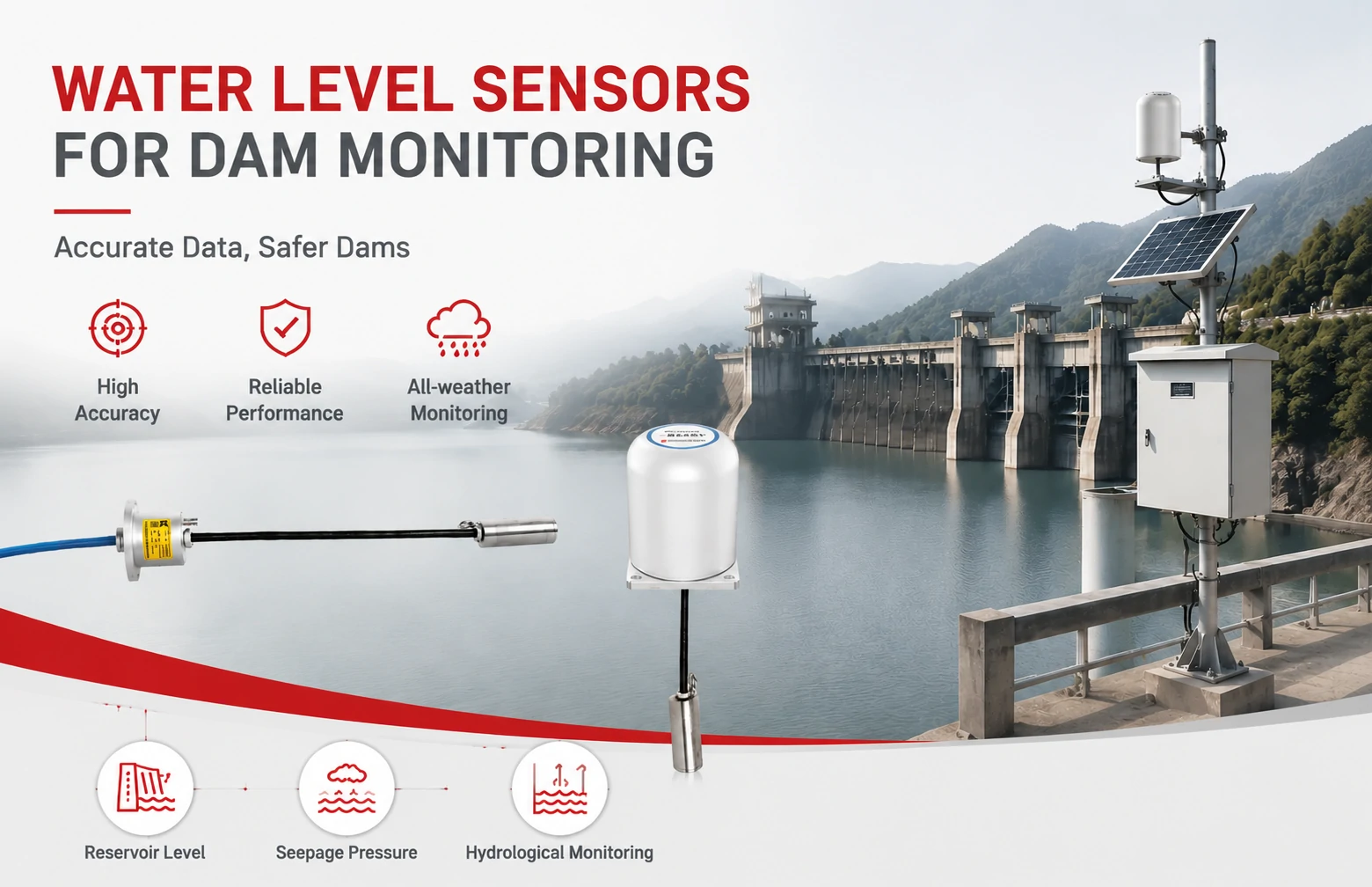
Kingmach Water Level Sensors for Dam Monitoring: A Buyer's Guide to Differential Pre...
Products
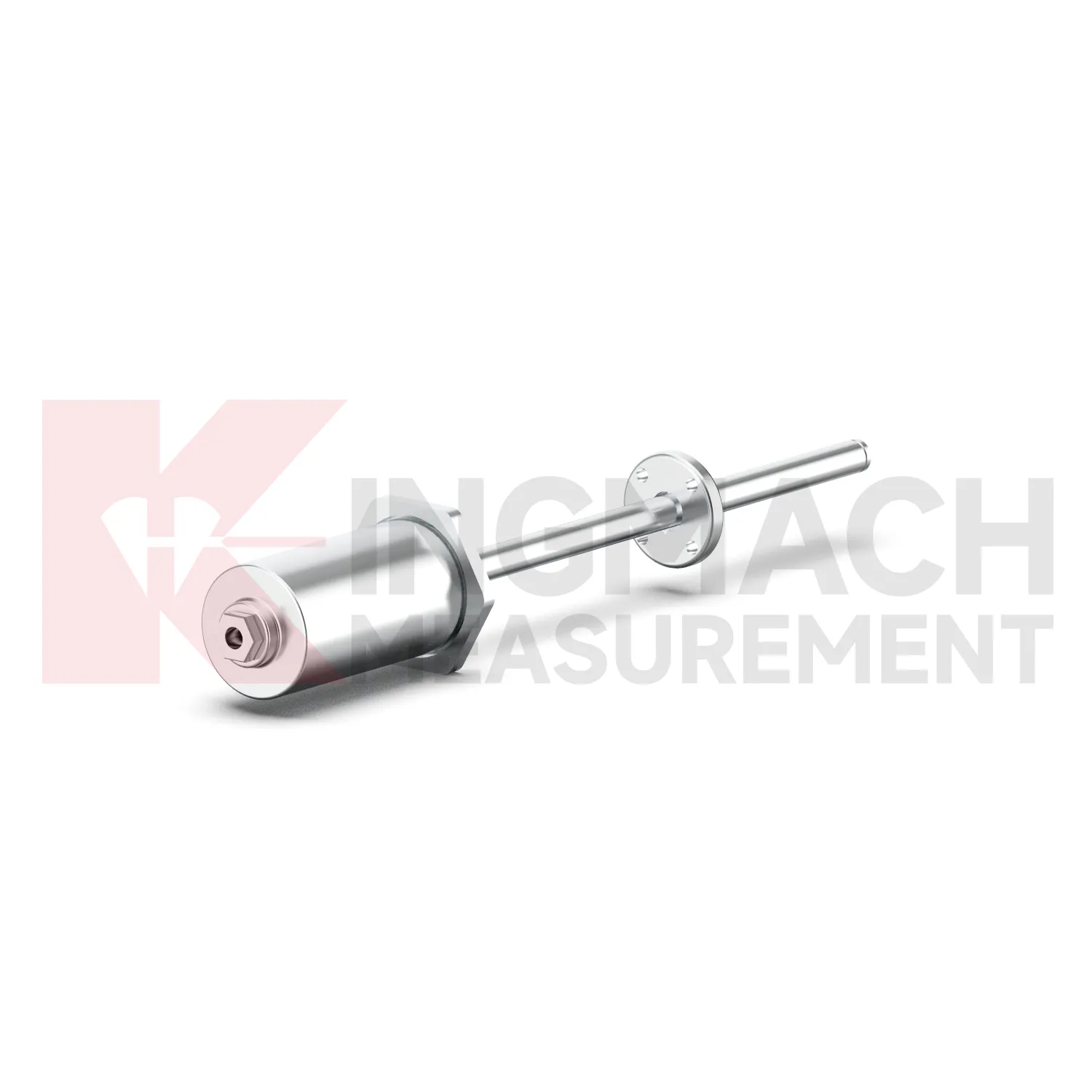
Magnetostrictive Displacement Meter JMCW-21XXADT
View Details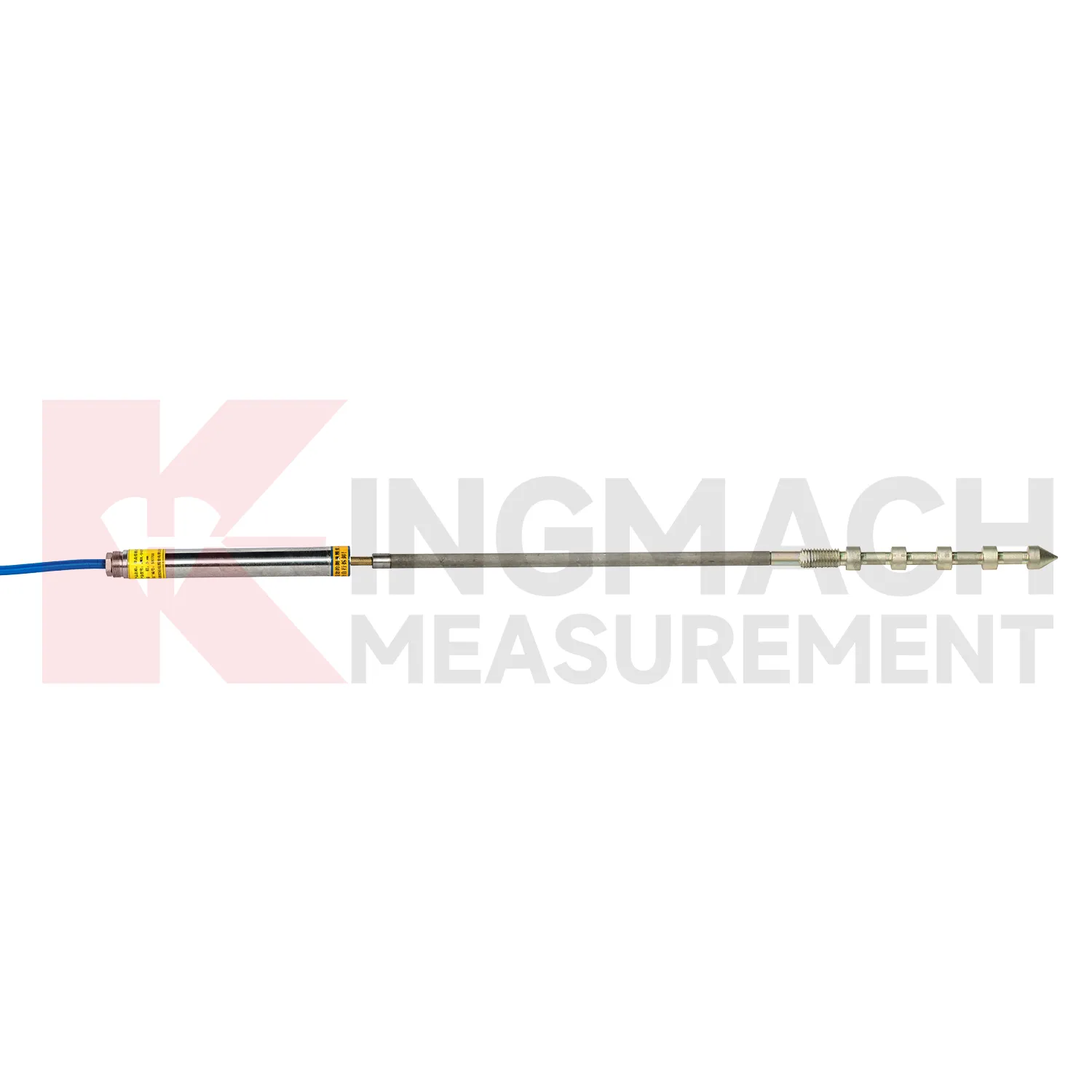
Smart Single-Point Bedrock Displacement Meter JMDL-32XXAT
View Details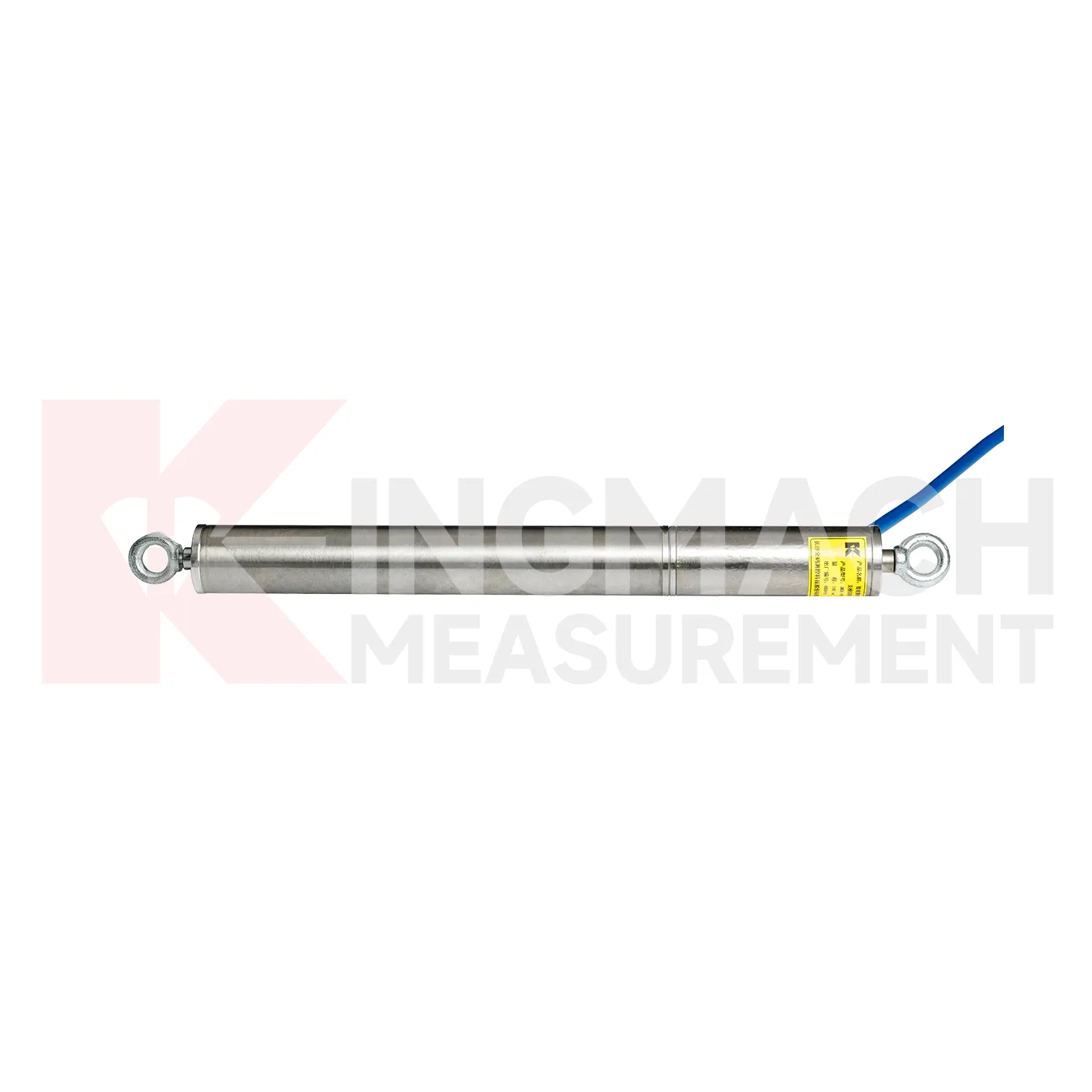
Smart Formwork Displacement Meter/ Steel Wire Displacement Meter JMDL-49XXAT
View DetailsFAQ
Both are common in geotechnical work, but strain gauge types often win on cost and simplicity. LVDTs need an AC excitation and can drift over time due to coil aging. Strain gauge bridges run on DC, so they integrate easily with solar-powered loggers. Kingmach models also have a sealed, non-contact design that handles damp environments without sticking.
Not without protection. They’re rated for wet, dusty conditions (IP67), but direct concrete embedment requires an extra housing or a mount bracket. We typically supply installation accessories for such cases—just clarify your setup when ordering.
It depends on expected movement. For static cracks, a 10–25mm range is usually enough. If the structure sees thermal cycles, a 50mm model gives more headroom. We can run through your project specifics and suggest a range based on similar installations.
Yes, the standard voltage output (0-5V or 0-10V) and 4-20mA current loop are broadly accepted. We also offer RS-485 digital output on some models if you prefer a bus topology. Wiring diagrams are included in the manual.
Base models ship within a week. Custom stroke, cable length, or connectors usually add 2–3 weeks. If you need higher accuracy or special IP ratings, it’s best to discuss early so we can plan the production slot.
Share your product type, target capacity, and application requirements. Our team can review the details and recommend a practical next step.
If you are interested in our products or want to become our partner.
Please leave your contact information, our team will contact you as soon as possible.
Mail: [email protected]
Contact Us: +8613808434127
Address: No. 188 Tongzipo West Rd, Changsha, Hunan, China