
 EN
EN
 ar
ar bg
bg hr
hr cs
cs da
da nl
nl fi
fi fr
fr de
de el
el hi
hi it
it ko
ko no
no pl
pl pt
pt ro
ro ru
ru es
es sv
sv tl
tl iw
iw id
id lv
lv lt
lt sr
sr sk
sk sl
sl uk
uk vi
vi et
et hu
hu th
th tr
tr fa
fa ms
ms hy
hy ka
ka ur
ur bn
bn mn
mn ta
ta kk
kk uz
uz ku
ku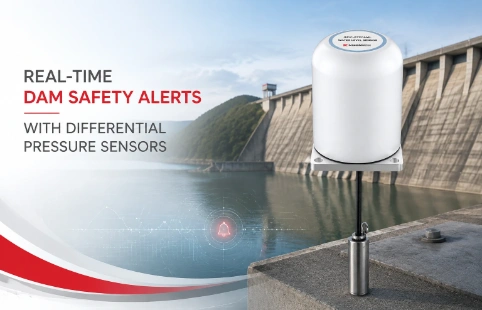
Real-Time Dam Safety Alerts with Differential Pressure Water Level Sensors
Key Takeaways An alert chain needs more than a sensor: define field in...

Precision Thru Hole Load Cells for Structural Monitoring
Force measurement in applications where a rod, cable, or bolt passes through the sensor demands a different design approach. Thru hole load cells solve this by allowing the load-bearing element to run straight through the center, capturing tension accurately without altering the load path. These sensors are used on construction sites to verify anchor bolts, in wind turbine foundations, and anywhere structural integrity depends on knowing exactly what’s happening at the tie-down point. Kingmach has built a range of thru hole load cells specifically for these fieldwork-heavy environments. Most models share a compact form, robust sealing against moisture and dust, and straightforward integration with common readout equipment. Rather than a one-size-fits-all product, we treat each inquiry as a request for a sensor that has to work in a real setting: a certain bolt diameter, a certain expected load range, a certain wiring constraint. That’s why our catalog extends from small-bore designs to high-capacity units, with custom machining available when standard dimensions fall short. The result is measurement gear that fits into daily practice, not just a lab bench.
Technical Detail
Thru hole load cells from Kingmach are built around a simple idea: if you need to measure tension in an anchor, you shouldn’t have to fight the sensor to make it fit. The annular design lets a threaded rod, cable, or bolt pass through, with strain gauges bonded inside the body to convert deformation into a clean electrical signal. This is the kind of sensor that ends up in rock bolt testing, pile load checks, and stay cable monitoring. Wide product range means we don’t force a limited catalog onto every project. Standard models come in capacities from a few kilonewtons up to several meganewtons, with bore sizes matched to common thread diameters. For high-cycle or outdoor use, stainless steel versions with IP67-rated seals are typically specified; for less demanding indoor setups, alloy steel may be a cost-effective choice. Customization available for specific project requirements covers more than just capacity and bore—we regularly adjust output signal compatibility, cable length, and mechanical interfaces. Global distribution network means shorter lead times and local support, whether the job is in Southeast Asia, Europe, or North America. Technical support and after-sales service often involve helping field engineers with shunt calibration, wiring for their data loggers, or troubleshooting installation issues. The result is a sensor that doesn’t just deliver a spec sheet number; it holds up under site conditions and keeps delivering data the crew can rely on.
News
Key Takeaways An alert chain needs more than a sensor: define field in...
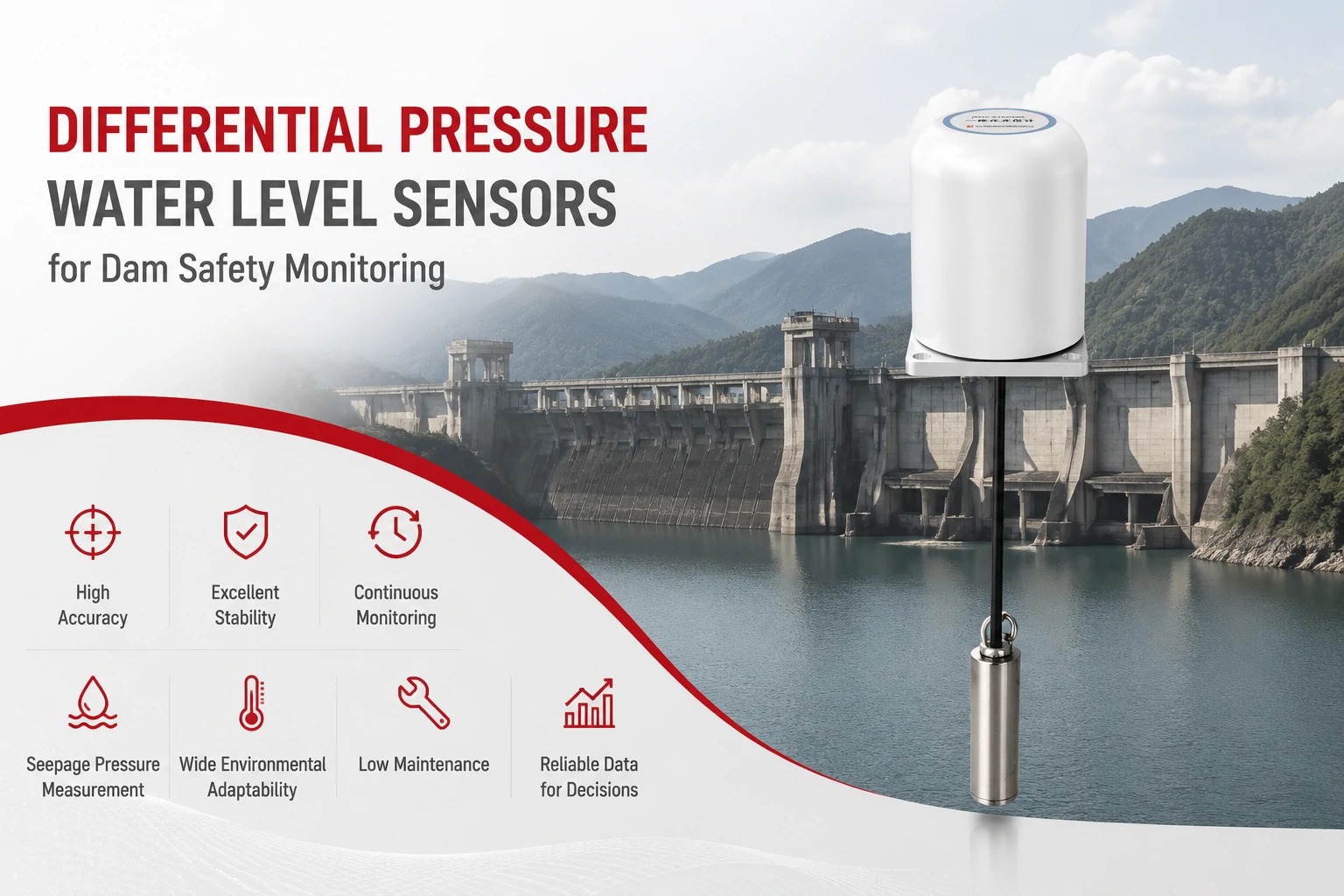
Key Takeaways The strongest fit is usually a confined, submerged, or s...
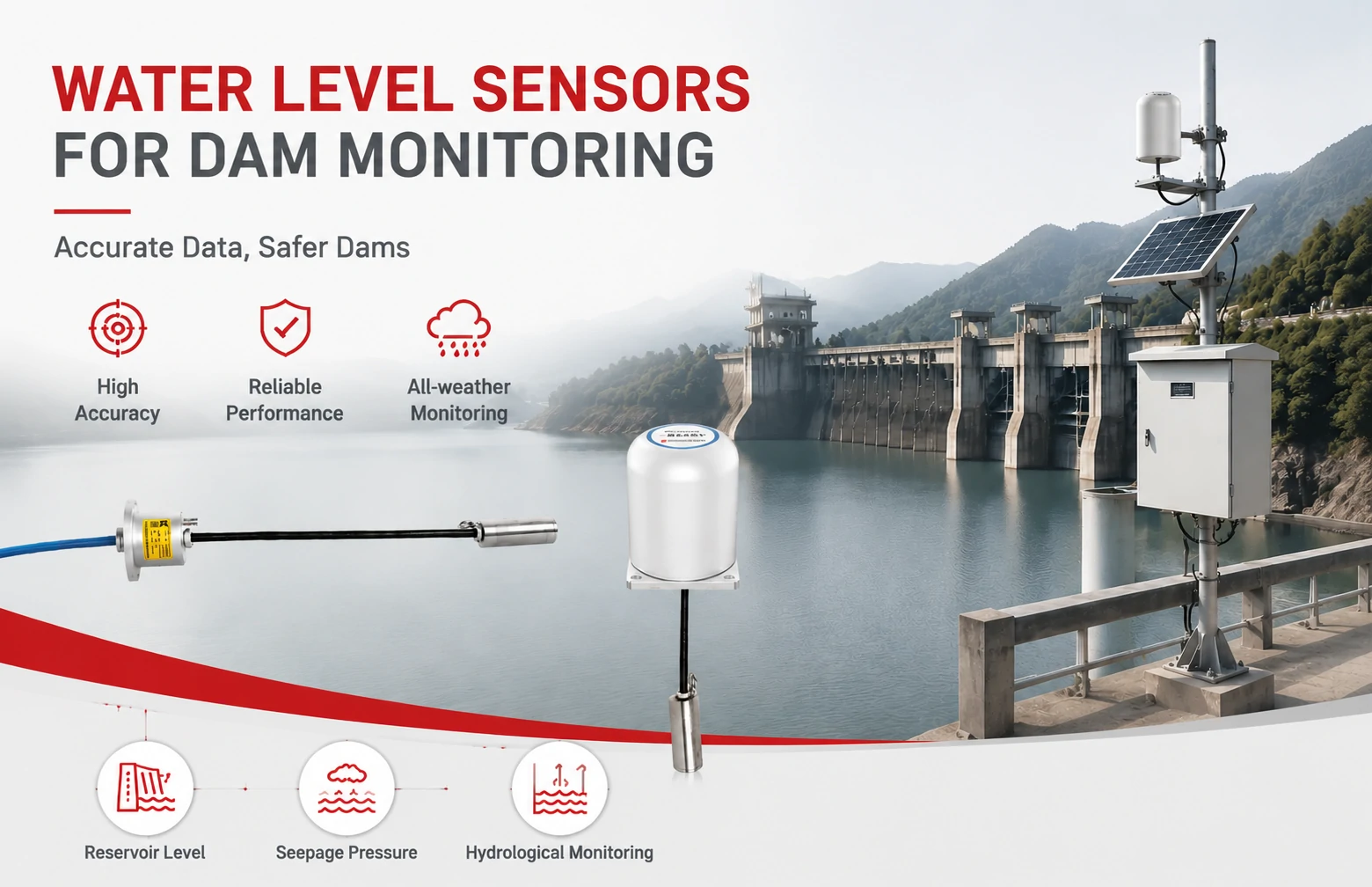
Kingmach Water Level Sensors for Dam Monitoring: A Buyer's Guide to Differential Pre...
Products
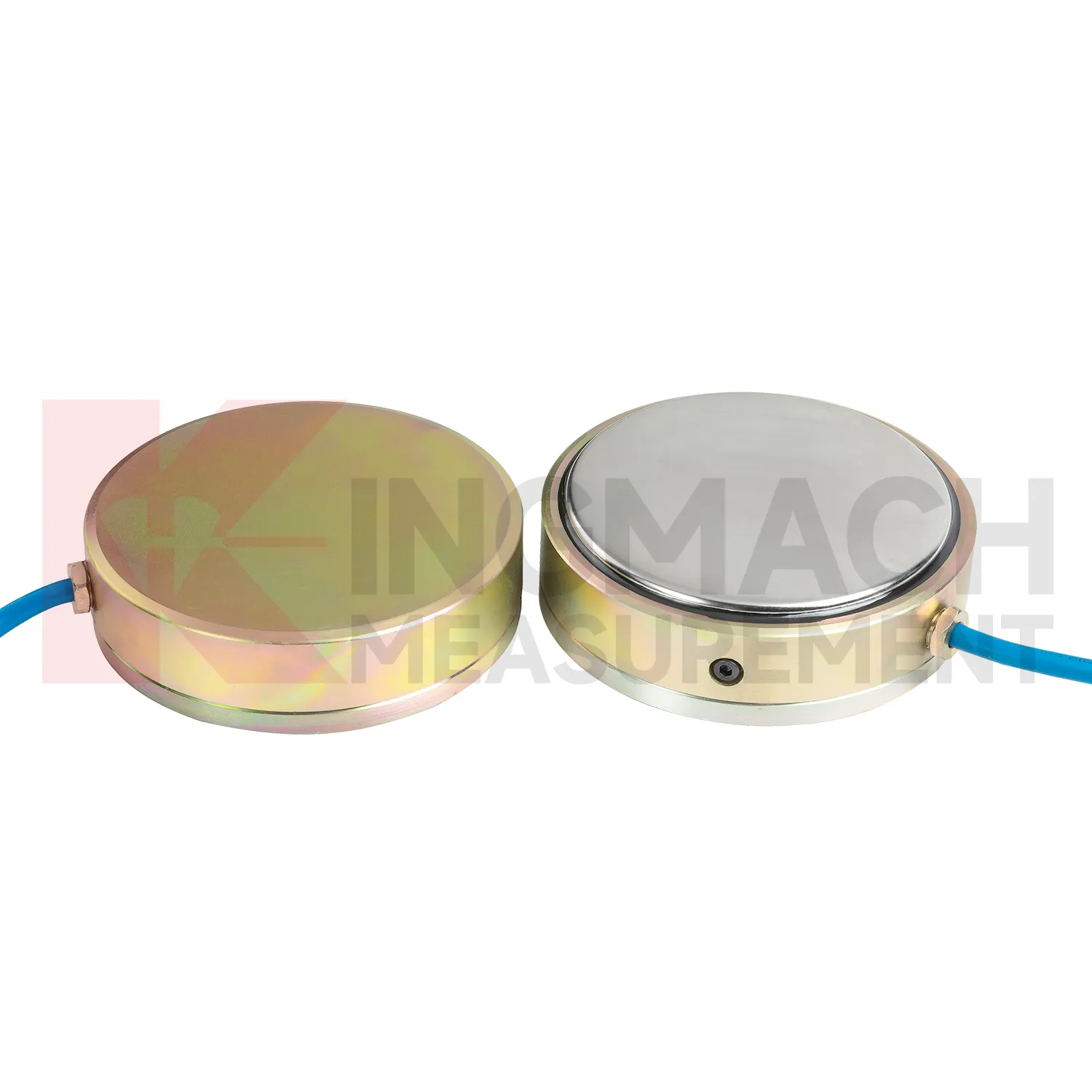
Earth Pressure Cell ( VW & Smart Type) JMZX-50XXAT/ ATM
View Details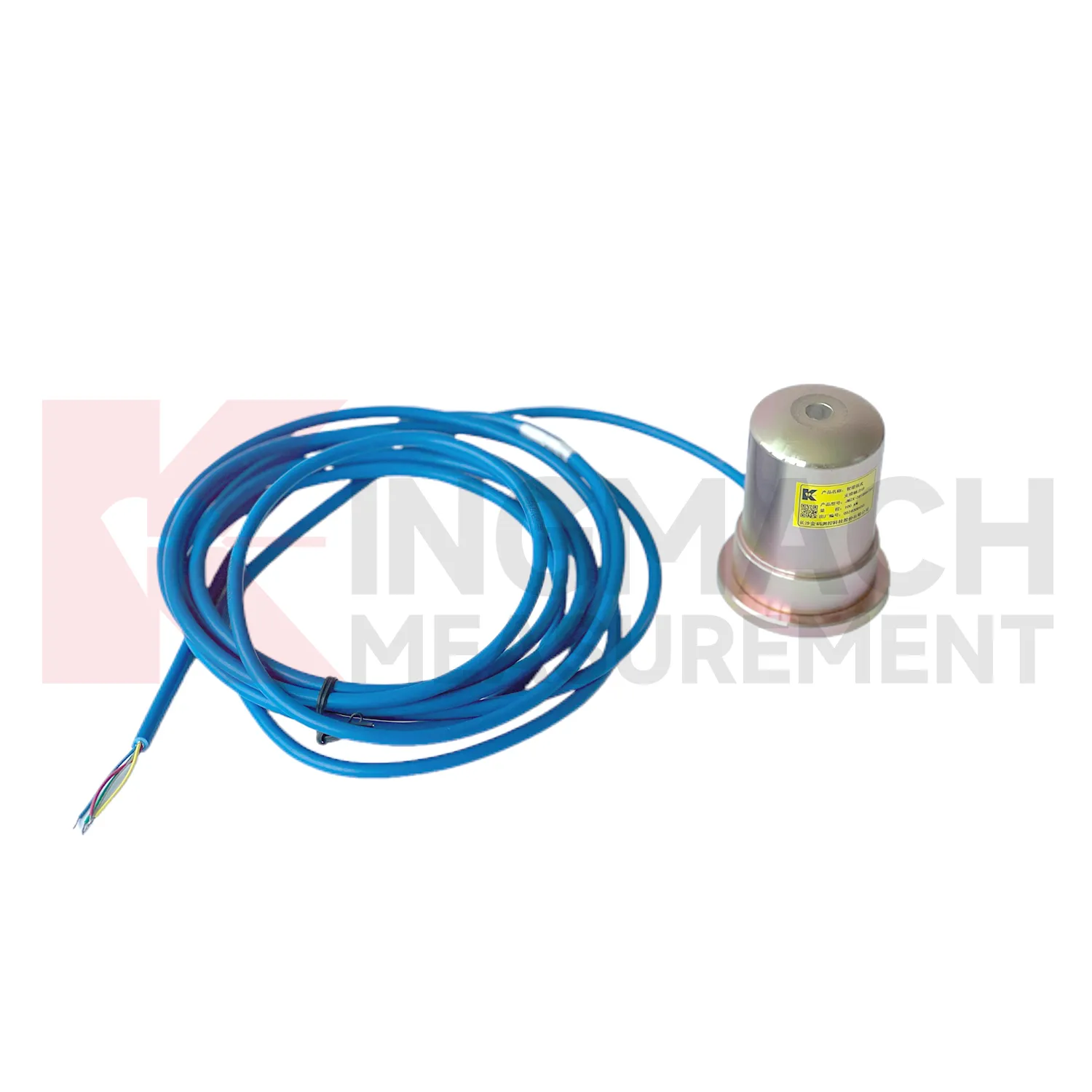
Smart Formwork Axial Force Meter(VW)JMZX-39XXHAT
View Details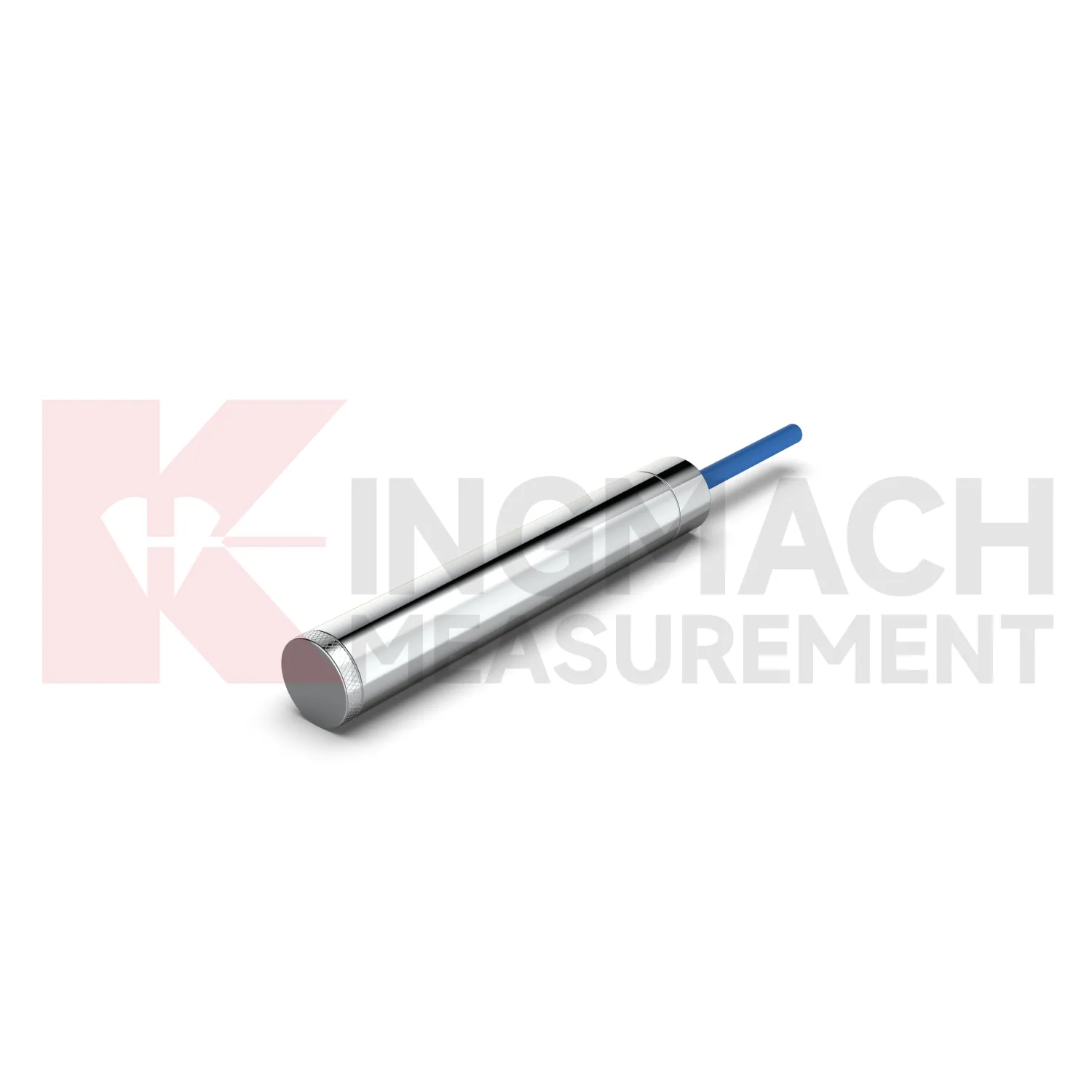
Smart Vibrating Wire PiezometerSmart Piezometers (VW) JMZX-55XXHAT
View DetailsFAQ
When the load is applied through a bolt, cable, or tendon, a thru hole load cell lets that element pass through the center. This keeps the measurement in line with the force axis without creating bending moments the way an offset sensor might. It’s really about avoiding extra fixtures and keeping the load path clean.
Not at all. While we do make large-bore, high-capacity models for structural work, the same design is used in small-scale test rigs and product validation, sometimes with capacities under 50 kN. Bore size often dictates the physical application more than the load range does.
Yes, many models are available with IP67 or IP68 sealing, using stainless steel bodies and welded construction. We typically discuss the expected exposure—rain, dust, temporary submersion—and recommend a protection rating and cable gland that match.
You’ll need the rod’s outer diameter and thread type. We usually pick a bore about 2-3 mm larger than the rod to allow for easy installation without excessive play. Send us the details of what you’re measuring, and we’ll help nail down the fit.
The standard output is millivolt per volt, which works with most strain gauge readout devices. If you need a digital signal or a 4-20 mA transmitter for long cable runs, we can discuss integrating a signal conditioner into the sensor or providing a separate module.
Share your product type, target capacity, and application requirements. Our team can review the details and recommend a practical next step.
If you are interested in our products or want to become our partner.
Please leave your contact information, our team will contact you as soon as possible.
Mail: [email protected]
Contact Us: +8613808434127
Address: No. 188 Tongzipo West Rd, Changsha, Hunan, China