
 EN
EN
 ar
ar bg
bg hr
hr cs
cs da
da nl
nl fi
fi fr
fr de
de el
el hi
hi it
it ko
ko no
no pl
pl pt
pt ro
ro ru
ru es
es sv
sv tl
tl iw
iw id
id lv
lv lt
lt sr
sr sk
sk sl
sl uk
uk vi
vi et
et hu
hu th
th tr
tr fa
fa ms
ms hy
hy ka
ka ur
ur bn
bn mn
mn ta
ta kk
kk uz
uz ku
ku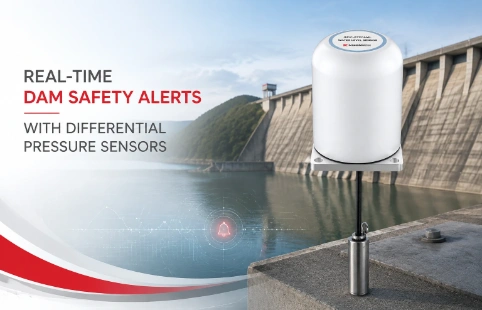
Real-Time Dam Safety Alerts with Differential Pressure Water Level Sensors
Key Takeaways An alert chain needs more than a sensor: define field in...

Water Gauge Level Monitoring for Geotechnical Projects
Water level monitoring is a routine but critical task in geotechnical and environmental engineering. Whether it's tracking groundwater fluctuations at a construction site, monitoring seepage in a dam, or measuring river stages, the data feeds directly into safety assessments and design decisions. Kingmach, as a manufacturer specializing in geotechnical instrumentation, supplies water gauge level instruments built for these field conditions. The line includes various sensor types, each designed to handle submersion, temperature shifts, and rough handling. What sets Kingmach apart isn't a single feature but the ability to customize — cable lengths, output signals, housing materials — so the instrument fits the project, not the other way around. With a global distribution network and technical support team, the company backs its hardware with practical advice on installation and long-term maintenance.
Technical Detail
The water level gauges from Kingmach are found on job sites where reliability can't be compromised. Many designs use a stainless steel body and a ceramic or silicon pressure sensor, with a vented cable that corrects for atmospheric pressure changes. This is standard practice, but Kingmach pays attention to details that matter in the field: the cable jacket is thick enough to survive being wedged into a borehole, and the vent tube has a desiccant system to keep moisture out of the electronics. Output options typically include 4-20 mA for long cable runs or RS485 for digital monitoring networks. These aren't lab instruments — they're meant to stay in a monitoring well for years, often without regular inspection. A common application is slope stability monitoring, where rising groundwater can signal trouble. In one recent highway expansion project in Southeast Asia, engineers used a network of Kingmach piezometers and water level gauges to track the water table behind a retaining wall. The real-time data allowed them to adjust dewatering operations daily, avoiding a costly delay. Another area is dam safety: a small earth-fill dam in Africa installed multiple levels of gauges to monitor seepage through the embankment. The system is still running five years later, with only minor calibration checks. Customization is a normal part of buying from Kingmach. If a standard 50-meter cable isn't enough, they'll supply 200 meters. If the water is saline, they'll adjust the housing alloy. For projects that require explosion-proof certifications or specific mounting brackets, the factory can adapt. Because Kingmach works through a network of local distributors, customers get language support and faster response times — useful when a sensor goes offline and the rain is starting. The company doesn't claim to have reinvented the water level gauge, but they do offer a solid, sensibly priced alternative to higher-end brands, backed by engineers who understand the application.
News
Key Takeaways An alert chain needs more than a sensor: define field in...
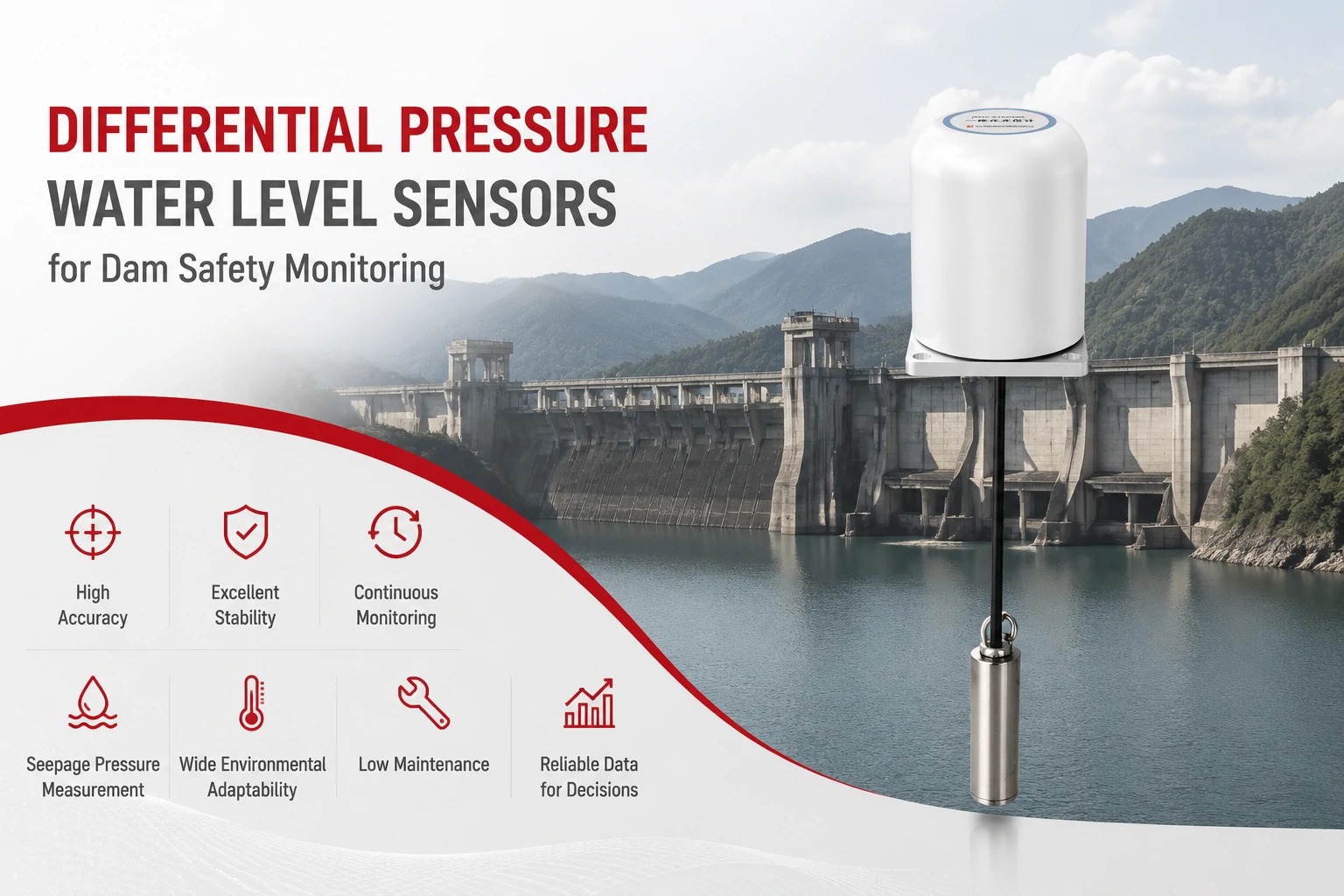
Key Takeaways The strongest fit is usually a confined, submerged, or s...
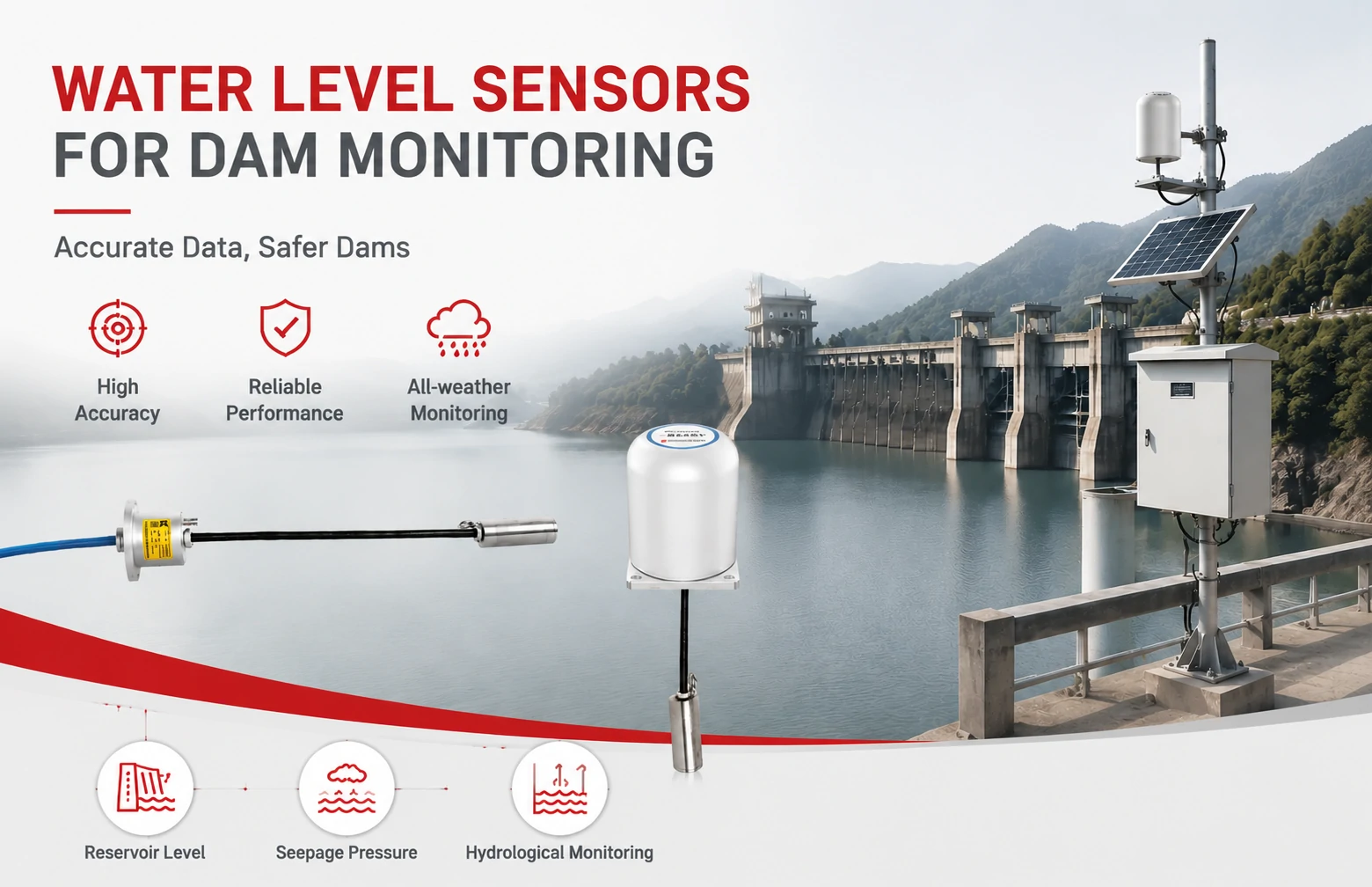
Kingmach Water Level Sensors for Dam Monitoring: A Buyer's Guide to Differential Pre...
Products
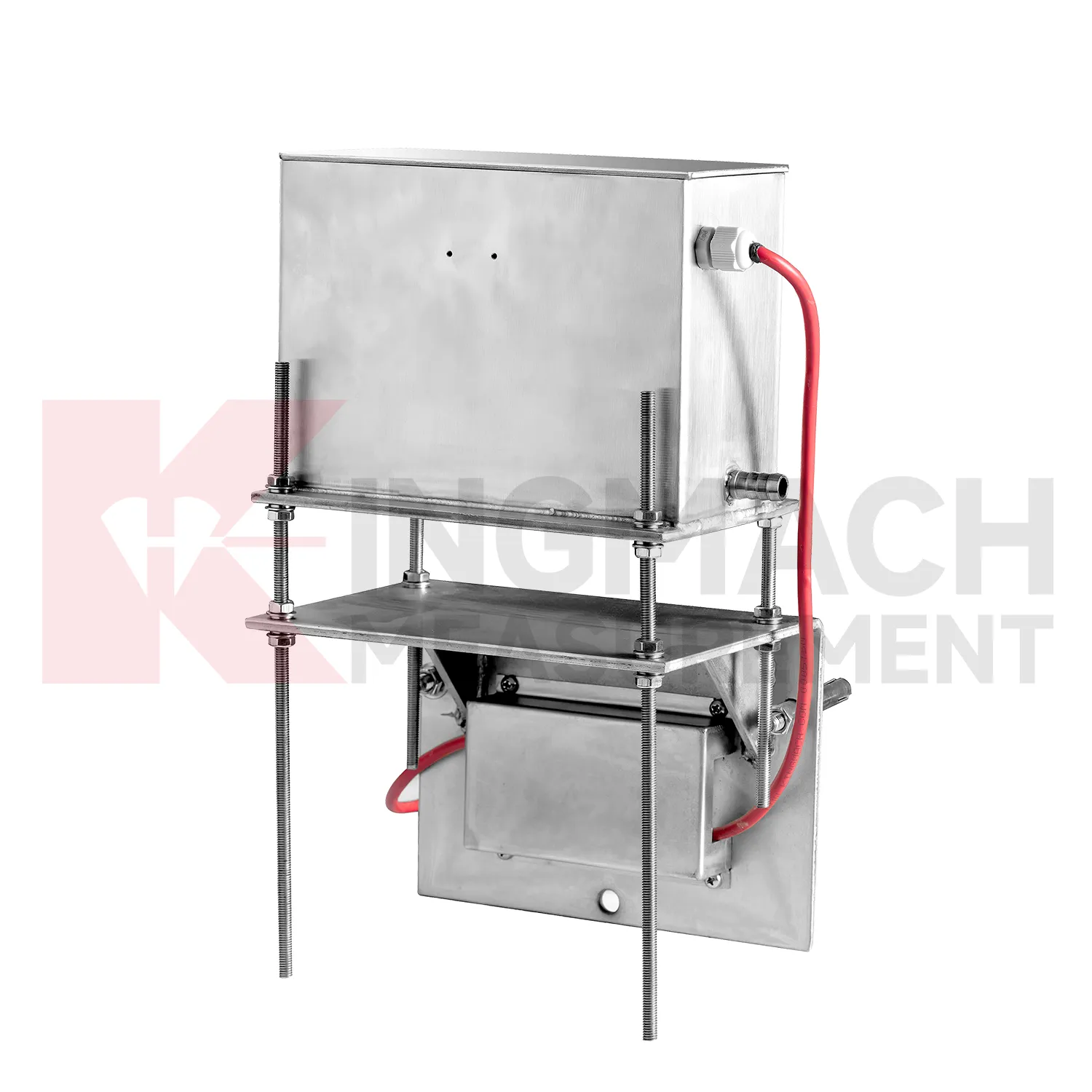
Micro Range Hydrostatic Level Sensor JMQJ-62XXADT
View Details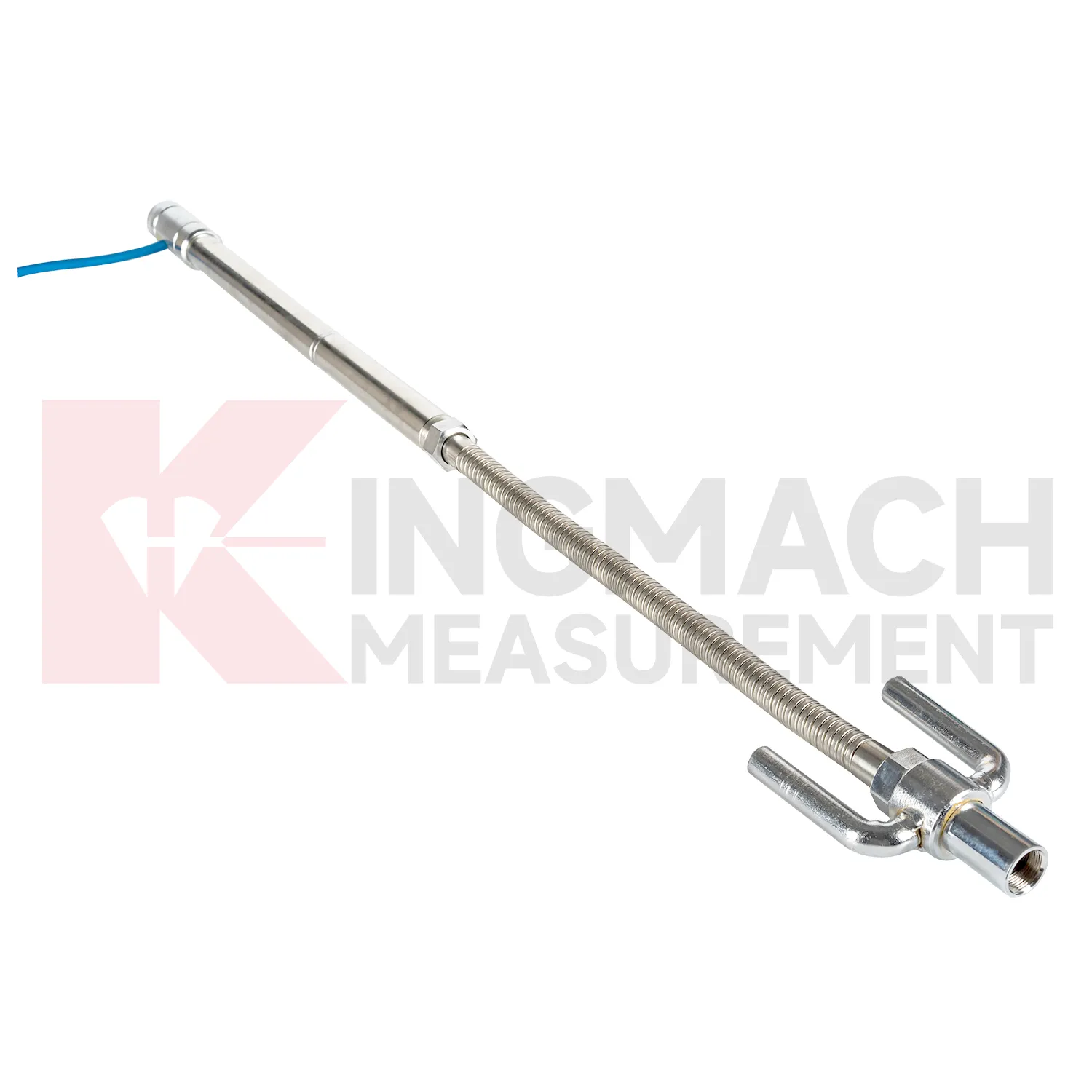
Smart Single-Point Settlement Gauge JMDL-47XXAT
View Details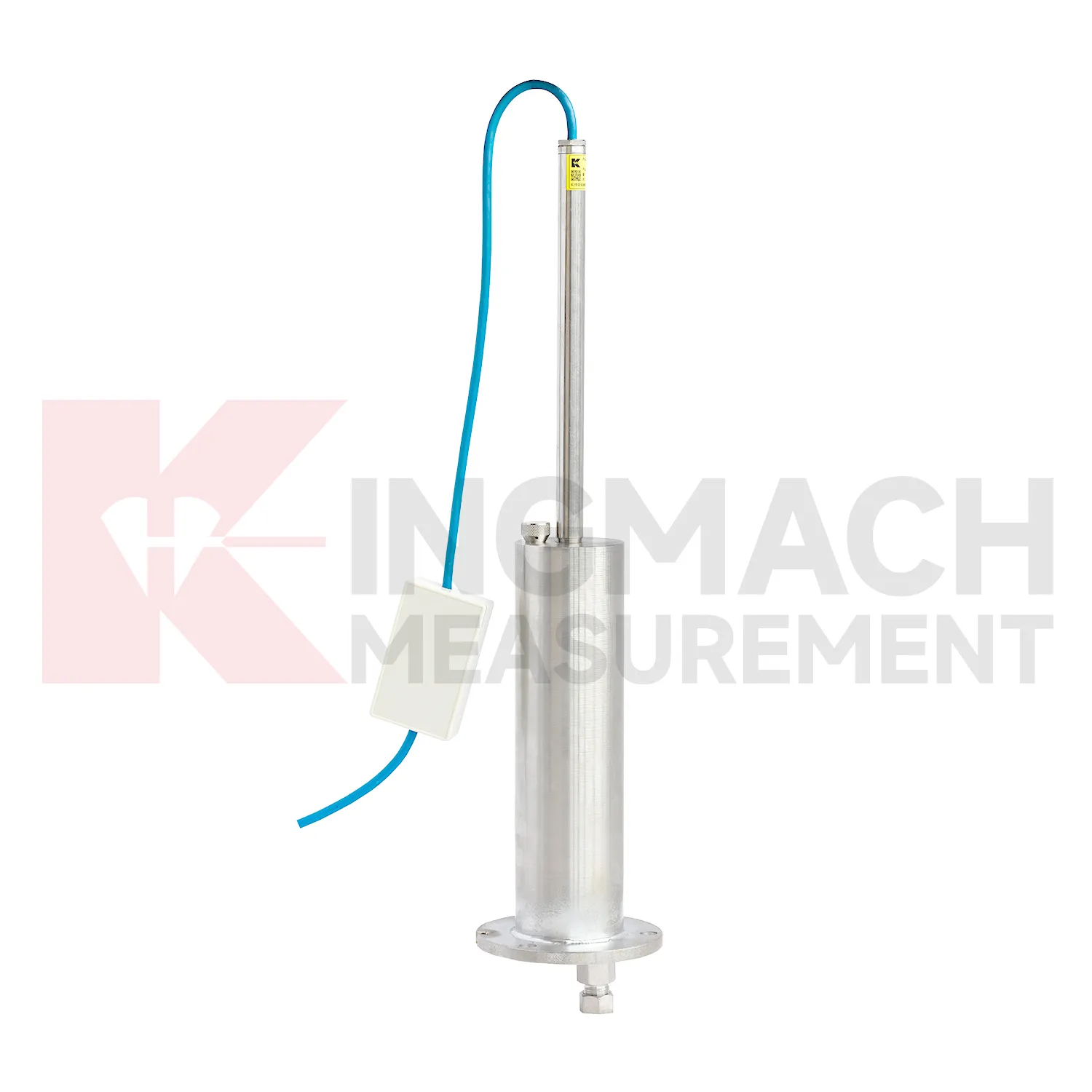
Inductive Frequency-Modulated Hydrostatic Level SensorJMDL-62XXAT、ADT
View DetailsFAQ
Saline or brackish water can corrode standard stainless steel over time. In those cases, we recommend a gauge with a titanium or PVC housing and a sealed cable entry. Kingmach offers custom material options — just specify the water chemistry when you inquire. The cost difference is usually modest compared to replacing corroded sensors early.
Most likely yes. Our standard outputs are 4-20 mA, 0-5 VDC, or RS485 Modbus. We can also supply the wiring diagram and calibration sheet to match your logger's input. If your system uses something uncommon, let us know; we've built custom signal converters before.
Look at historical river stage data for the highest expected level, then add about 20% for safety margin. For example, if the river typically varies by 3 meters, a 4-meter range gauge is adequate. Kingmach stocks ranges from 1 meter up to 200 meters, so you don't need to over-buy.
Yearly calibration is good practice, and occasionally clean the nose cone to remove silt or algae. If the reading drifts, first check the vent tube for moisture or blockages. Kingmach provides a calibration service and can ship a loaner gauge while yours is being checked.
Yes, many are used in flood warning networks. The key is a robust cable and a lightning arrestor in the junction box. We supply both. In one installation along the Mekong, our gauges have been online for seven years with only minor calibration adjustments.
Share your product type, target capacity, and application requirements. Our team can review the details and recommend a practical next step.
If you are interested in our products or want to become our partner.
Please leave your contact information, our team will contact you as soon as possible.
Mail: [email protected]
Contact Us: +8613808434127
Address: No. 188 Tongzipo West Rd, Changsha, Hunan, China