
 EN
EN
 ar
ar bg
bg hr
hr cs
cs da
da nl
nl fi
fi fr
fr de
de el
el hi
hi it
it ko
ko no
no pl
pl pt
pt ro
ro ru
ru es
es sv
sv tl
tl iw
iw id
id lv
lv lt
lt sr
sr sk
sk sl
sl uk
uk vi
vi et
et hu
hu th
th tr
tr fa
fa ms
ms hy
hy ka
ka ur
ur bn
bn mn
mn ta
ta kk
kk uz
uz ku
ku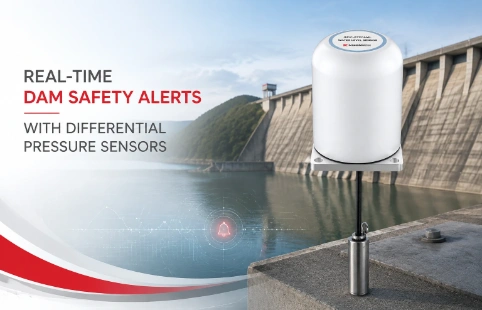
Real-Time Dam Safety Alerts with Differential Pressure Water Level Sensors
Key Takeaways An alert chain needs more than a sensor: define field in...

Wireless Weather Station Data Logger for Reliable Climate Monitoring
A wireless weather station data logger should blend into the background and just work, day after day. Out in the field, the real test is how it handles a sudden freeze or a week of dust without missing a beat. At Kingmach, we’ve built our loggers to be that kind of quiet but essential tool. It starts with universal sensor inputs—hook up a rain gauge, a wind speed sensor, or a soil moisture probe without hunting for signal converters. Then add the wireless link that fits your site, whether that’s LoRa for long-range sensor networks, 4G for remote locations, or Wi-Fi where infrastructure already exists. Data lands on your server or phone, ready for analysis. But the details make the difference. You can set sampling intervals from one minute to 24 hours, or use event-based triggers—say, when wind gusts spike above a threshold. Built-in flash storage holds years of records, even if the cloud connection goes dark. And because no two monitoring projects are identical, we offer customization on everything from cabling to dashboard layout. Our engineers have seen enough field installations to know that “off-the-shelf” rarely fits out of the box. At Kingmach, we think of a data logger less as a product and more as the backbone of your climate intelligence system. It’s a practical approach shaped by decades of geotechnical and environmental monitoring.
Technical Detail
Kingmach wireless weather station data loggers are designed to handle the messy reality of outdoor monitoring. The units accept a wide range of sensor signals—analog voltage (0–5 V), current loop (4–20 mA), SDI-12, pulse, and RS485—so you’re not locked into one sensor brand. On the wireless side, you pick the module that matches your distance and power budget: LoRa for up to several kilometers with minimal consumption, 4G for cellular reach, or Wi-Fi where power and network are readily available. Data is recorded to internal flash memory, with storage depth measured in millions of records. You set the schedule: from high-frequency 1-minute sampling for gust analysis to daily averages for climate studies. A smart averaging algorithm digitizes analog inputs with 16-bit resolution, filtering out noise without smoothing away real peaks. Enclosures carry an IP66 rating, and internal temperature compensation keeps measurements accurate across a –30°C to 70°C range. Power is flexible—AC, solar panel with built-in charge controller, or a large-capacity battery pack that typically runs for months between changes. Configuration is done through a browser-based interface; no proprietary software required. For data delivery, the logger speaks MQTT, HTTP, and FTP, pushing data directly to your cloud platform or on-premises server. Customization is a core part of our process: we can pre-wire sensors, add GSM alarm channels, or design a private-label web dashboard. Every unit leaves our factory after full calibration and a 48-hour burn-in test. With distribution partners in over 30 countries and a support team that answers emails in hours, not days, Kingmach ensures that your data logger isn’t a gadget—it’s a long-term asset.
News
Key Takeaways An alert chain needs more than a sensor: define field in...
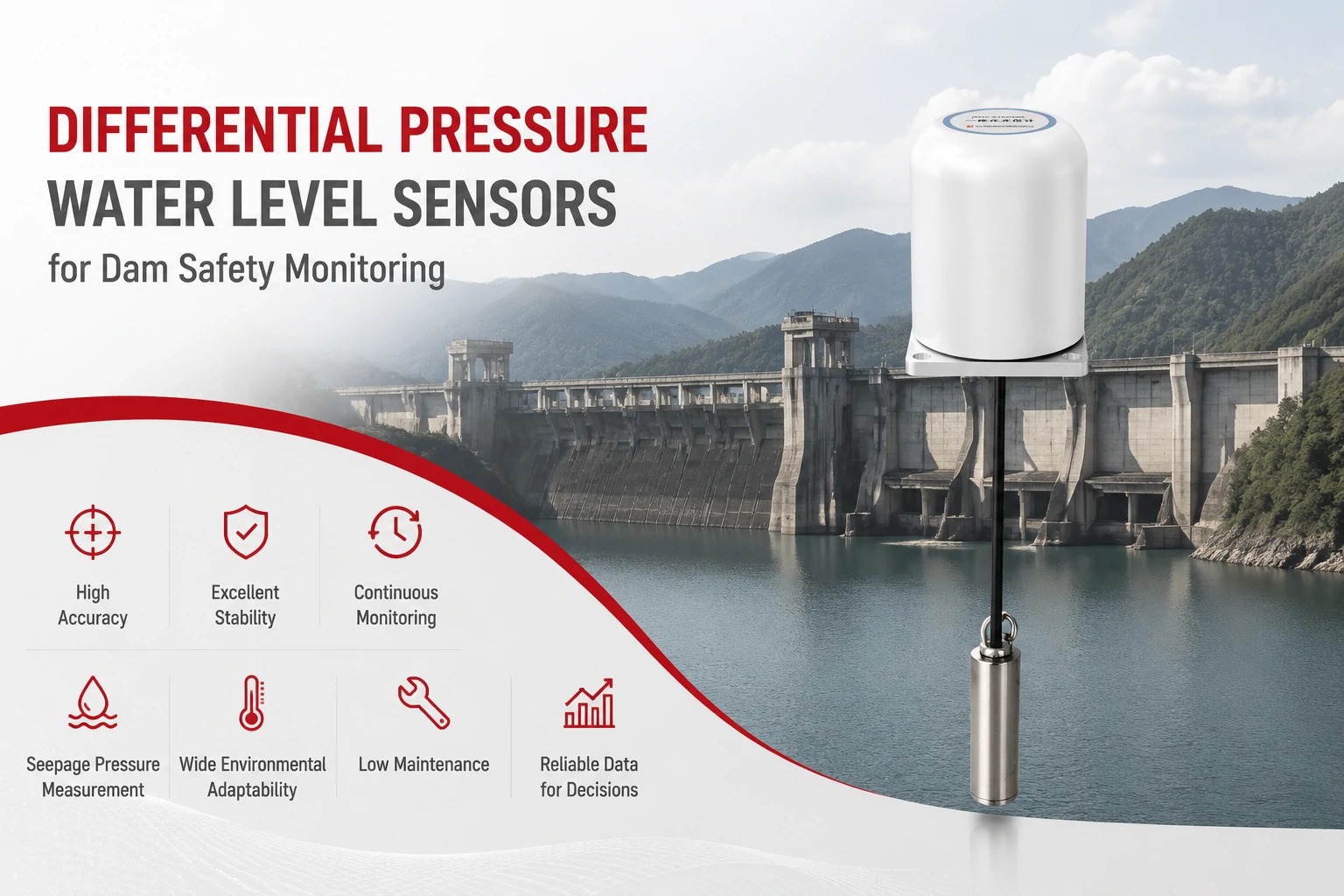
Key Takeaways The strongest fit is usually a confined, submerged, or s...
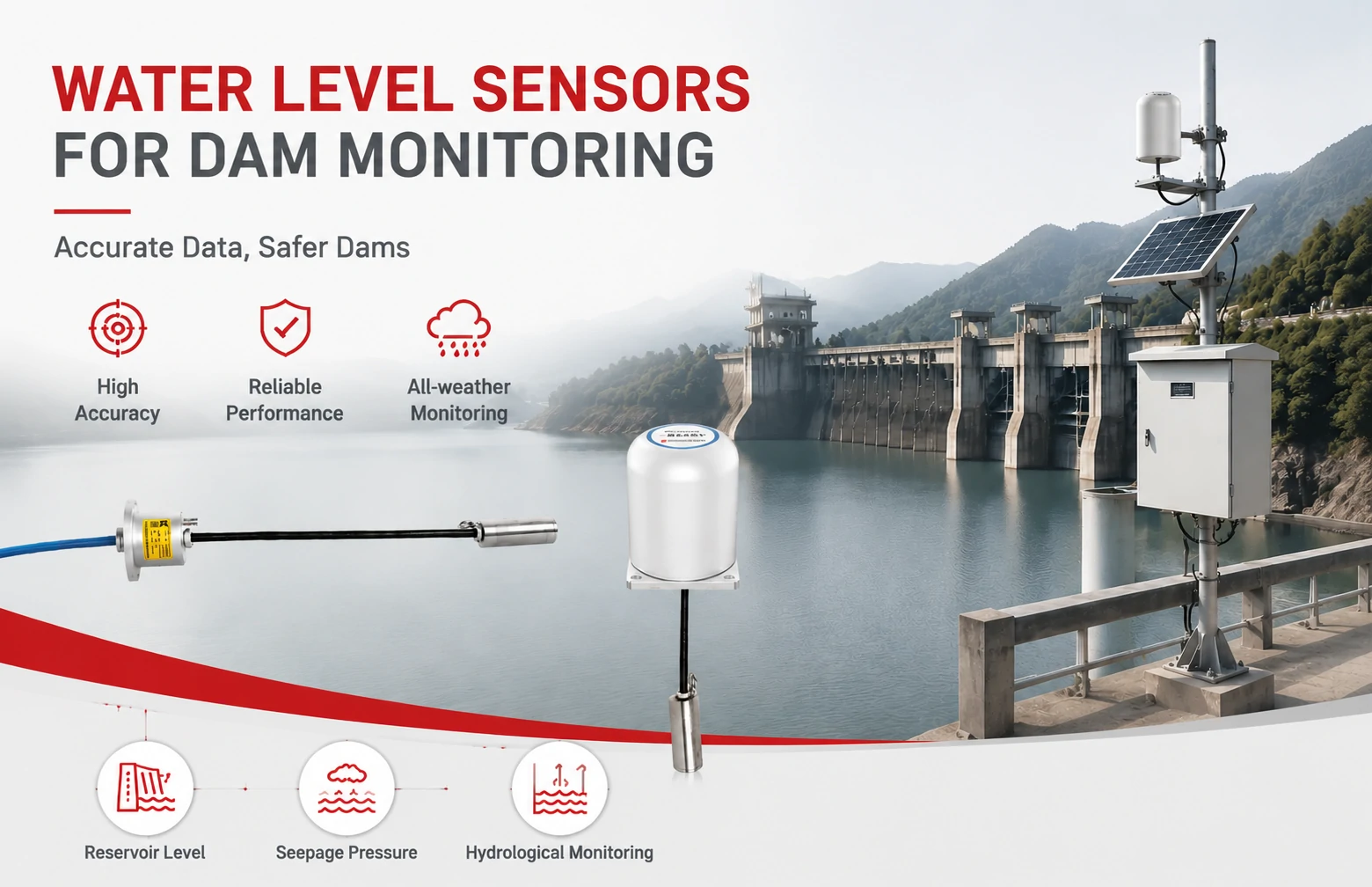
Kingmach Water Level Sensors for Dam Monitoring: A Buyer's Guide to Differential Pre...
Products
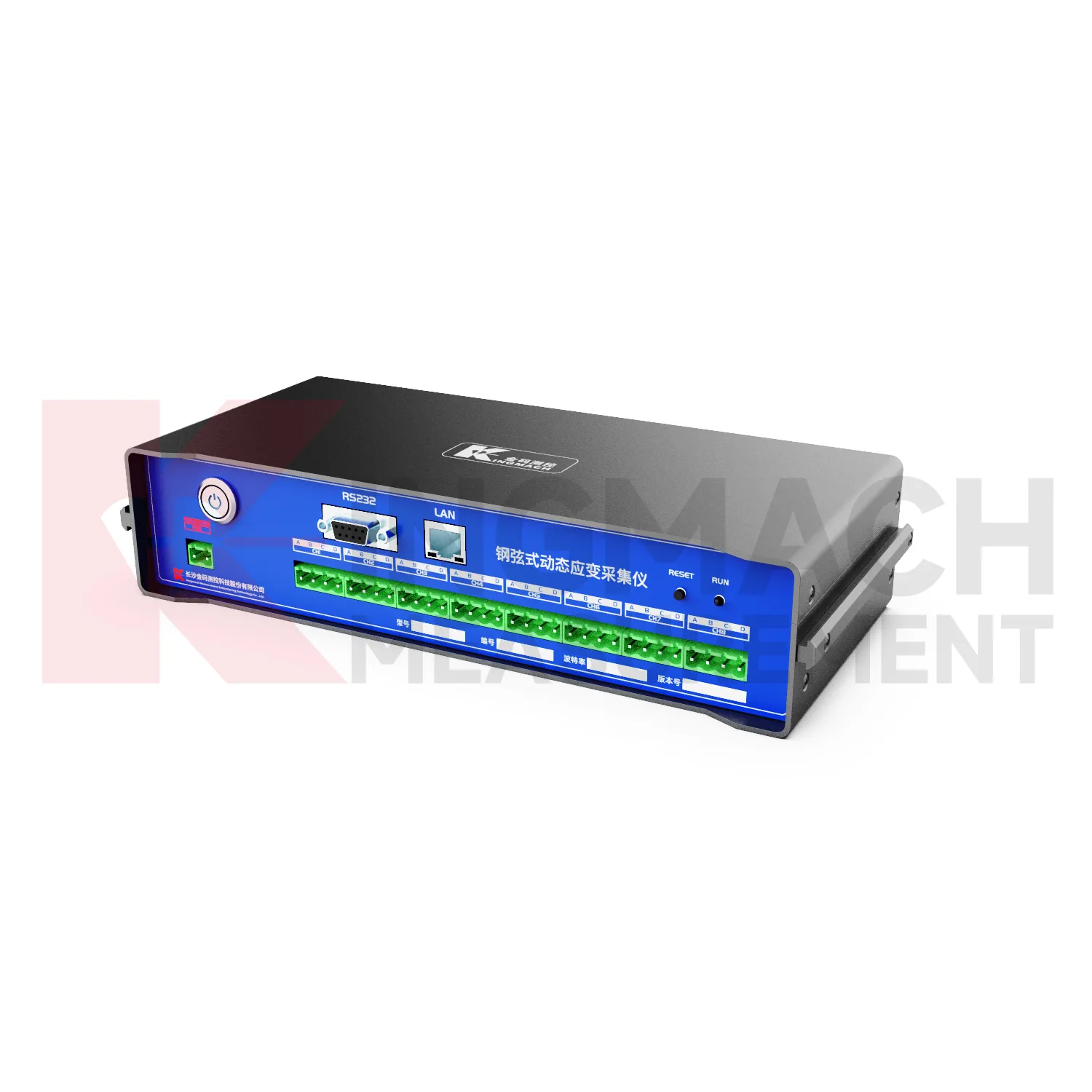
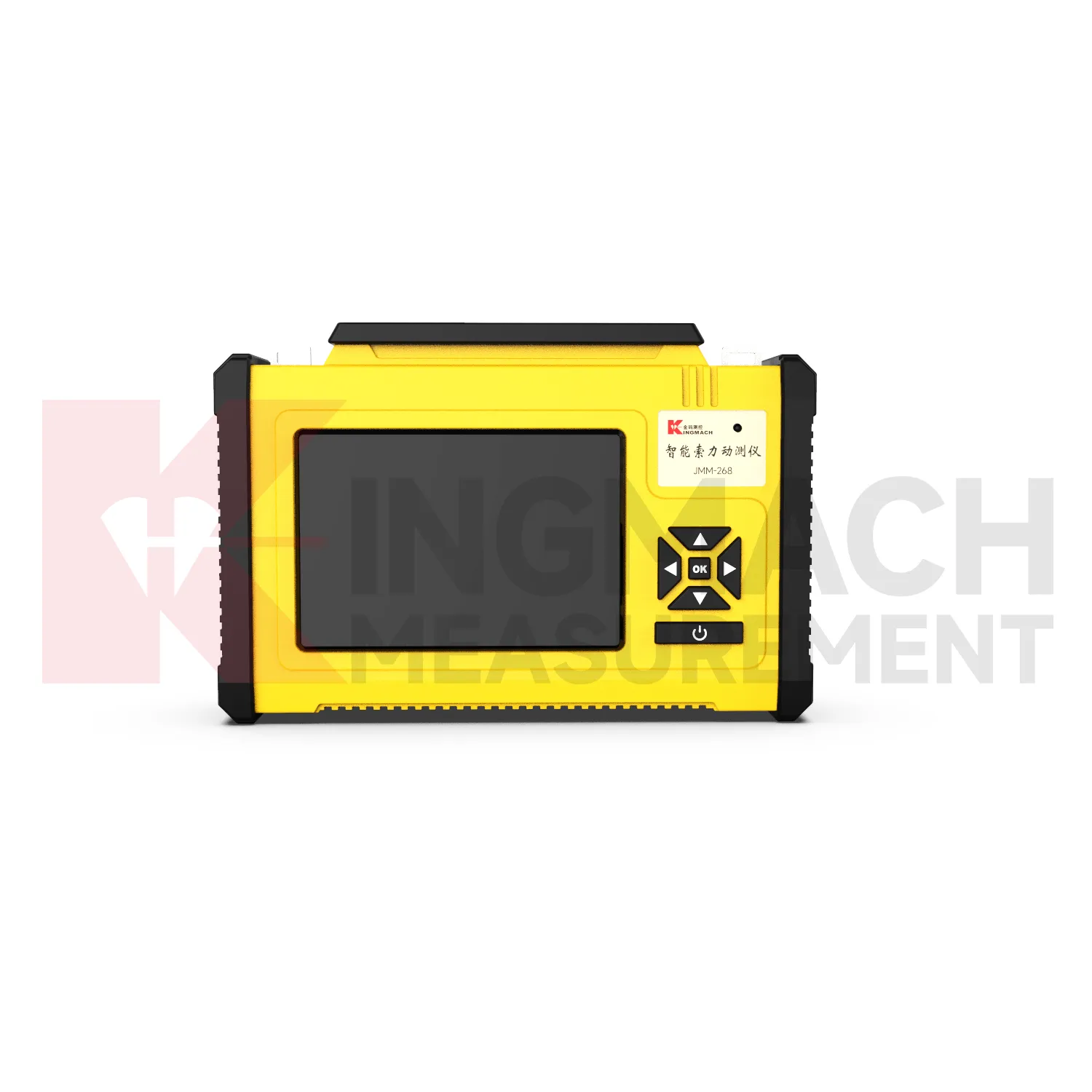
Cable force measuring instrument JMM-268L-1、2
View Details
FAQ
Most Kingmach loggers accept analog inputs (0–5 V, 4–20 mA), SDI-12, pulse, and RS485 as standard. This covers common environmental sensors like cup anemometers, tipping bucket rain gauges, temperature probes, barometric pressure sensors, and soil moisture meters. We can also add custom signal conditioning for specialized sensors during the order process.
It depends on your site. LoRa is ideal when you need long range (several kilometers) and very low power consumption—perfect for remote sensor clusters with no cellular coverage. 4G works almost anywhere with mobile signal and gives you real-time access, but consumes more power. Wi-Fi is convenient if you already have a local network and a power source nearby. Our loggers use field-swappable modules, so you can change your mind later.
Absolutely. The housing is IP66 sealed against dust, rain, and high humidity. The internal electronics are rated for -30°C to 70°C, with temperature compensation that ensures measurement accuracy stays within spec across the full range. We’ve had units running for years in Arctic research stations and tropical plantations without failure.
With a typical 20 Ah sealed lead-acid battery and a 1-hour sampling interval, you can expect 6–12 months of operation, depending on the wireless module used. Adding a small solar panel turns this into indefinite maintenance-free operation. We can help you size the power system based on your sensor load and reporting frequency.
Yes, the data logger supports standard protocols like MQTT, HTTP (JSON), and FTP. Most customers pipe data directly into their own IoT platform, SCADA, or database. If you need a custom protocol or API integration, our engineering team can work with you.
Share your product type, target capacity, and application requirements. Our team can review the details and recommend a practical next step.
If you are interested in our products or want to become our partner.
Please leave your contact information, our team will contact you as soon as possible.
Mail: [email protected]
Contact Us: +8613808434127
Address: No. 188 Tongzipo West Rd, Changsha, Hunan, China