
 EN
EN
 ar
ar bg
bg hr
hr cs
cs da
da nl
nl fi
fi fr
fr de
de el
el hi
hi it
it ko
ko no
no pl
pl pt
pt ro
ro ru
ru es
es sv
sv tl
tl iw
iw id
id lv
lv lt
lt sr
sr sk
sk sl
sl uk
uk vi
vi et
et hu
hu th
th tr
tr fa
fa ms
ms hy
hy ka
ka ur
ur bn
bn mn
mn ta
ta kk
kk uz
uz ku
ku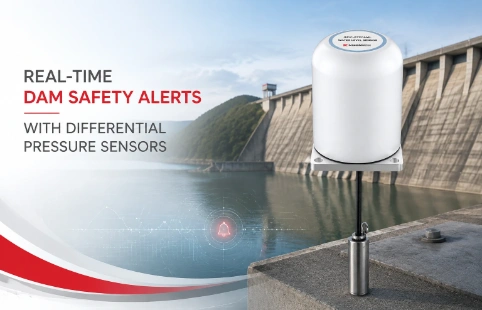
Real-Time Dam Safety Alerts with Differential Pressure Water Level Sensors
Key Takeaways An alert chain needs more than a sensor: define field in...

Accelerometer Sensors That Work in the Real World
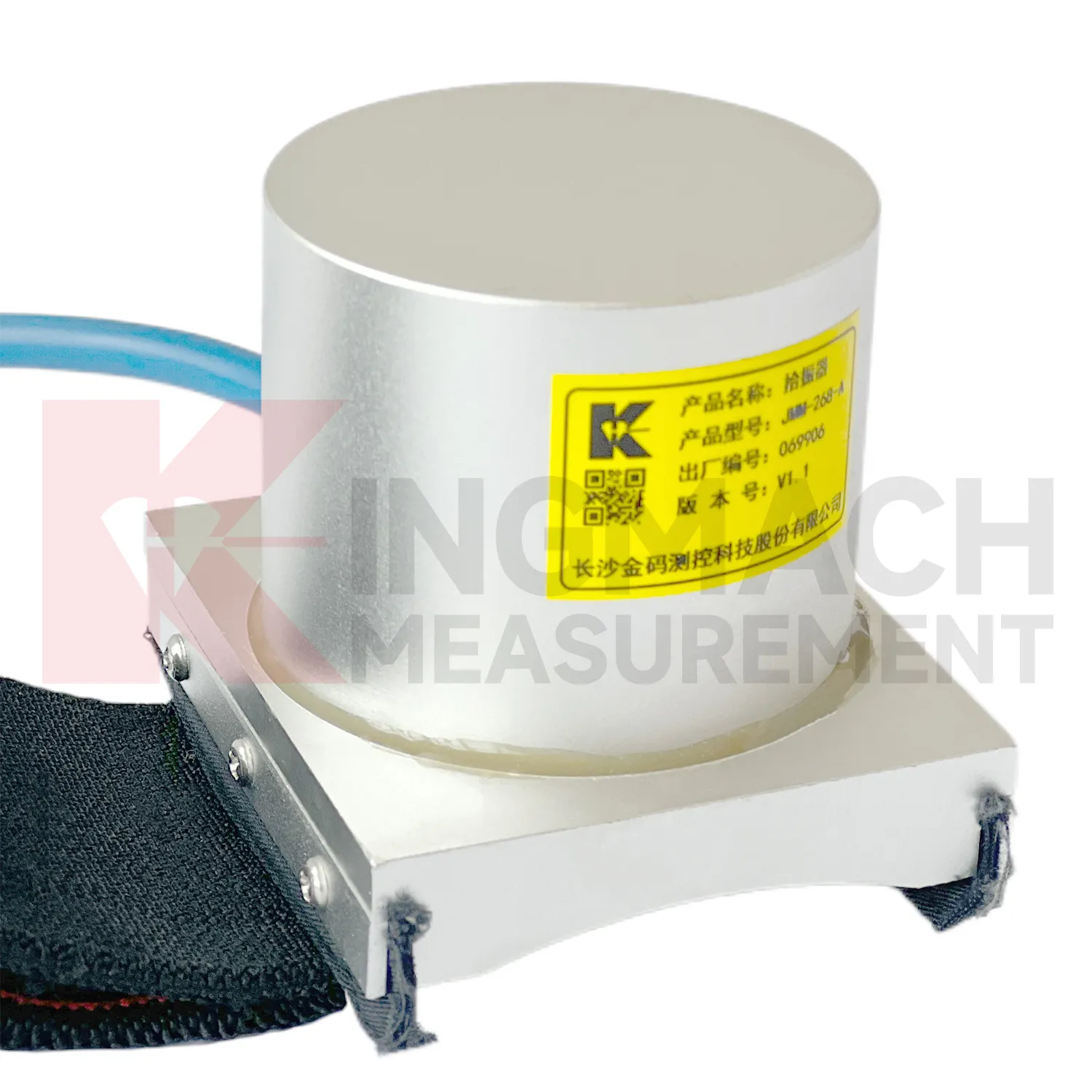
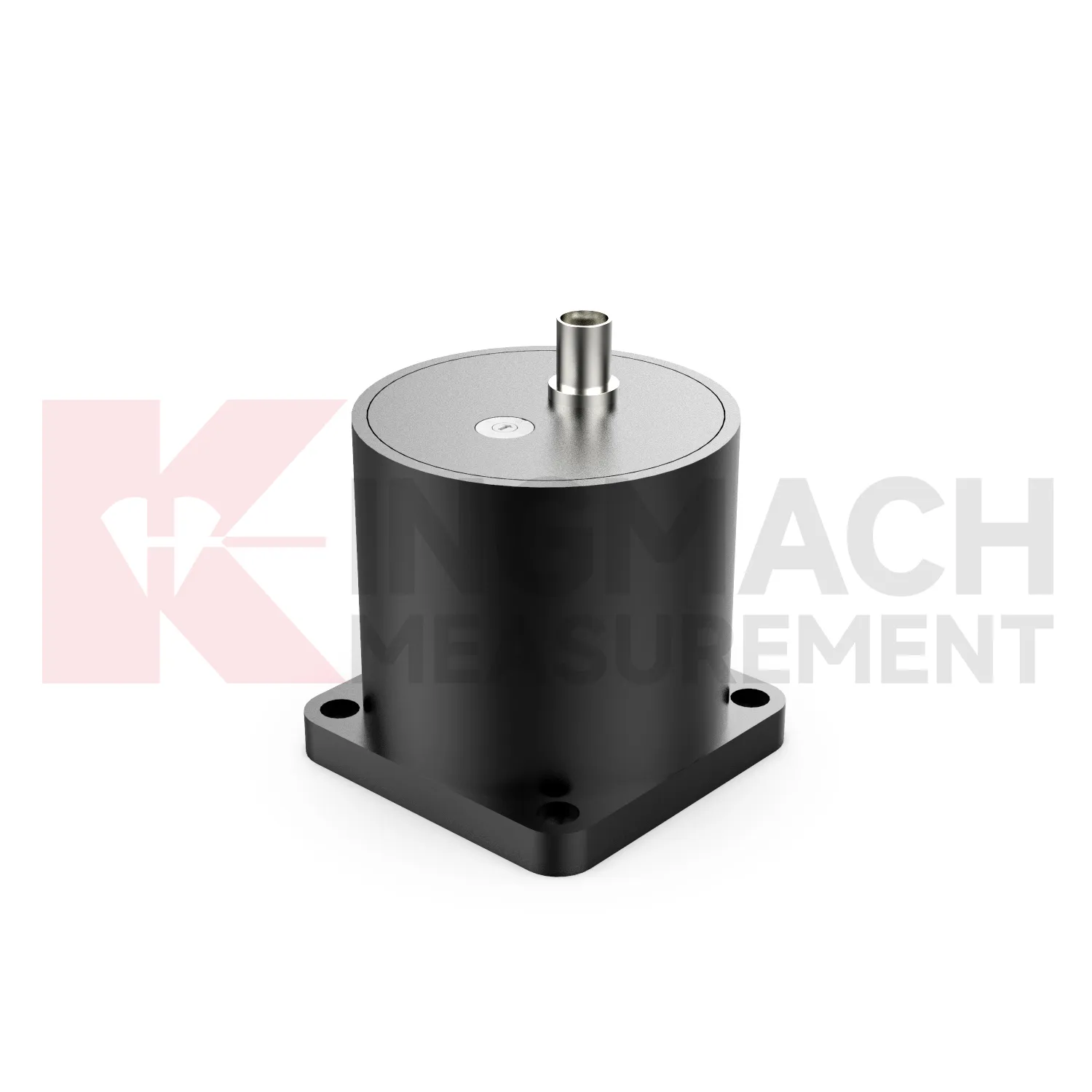
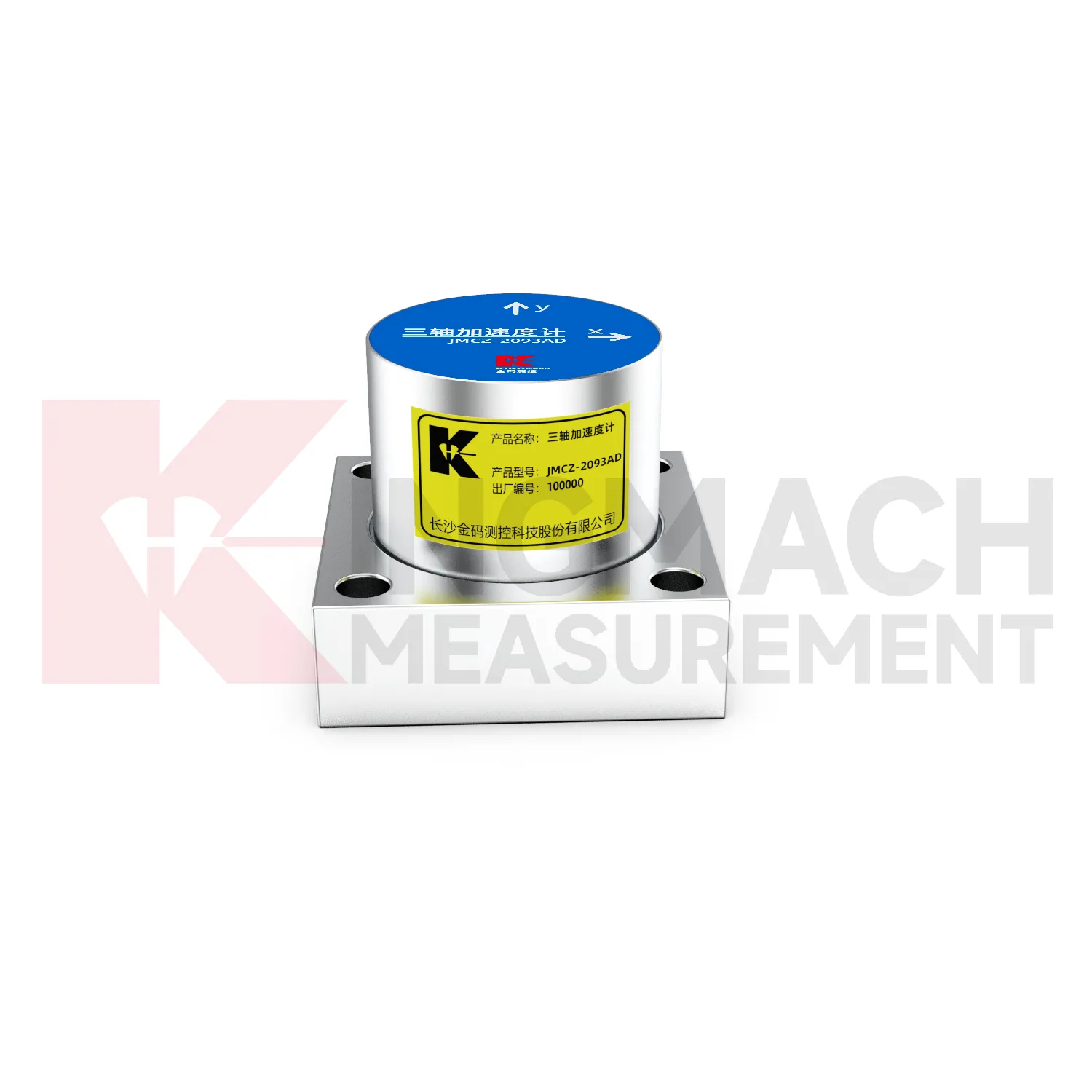
Most accelerometer sensors look fine on a datasheet, but out in the field things get messy. Temperature swings, moisture, electrical noise—these all eat into data quality. Kingmach builds accelerometers specifically for geotechnical monitoring, so the specs hold up when installed on a dam abutment or inside a metro tunnel. We focus on what matters: stable long-term readings, simple integration with data loggers, and physical toughness. Whether you need a MEMS unit for low-frequency tilt or a piezoelectric sensor for dynamic vibration, customization is standard rather than an extra.
Technical Detail
Kingmach accelerometer sensors are part of a wider geotechnical instruments catalog that includes piezometers, inclinometers, and strain gauges. That matters because in a typical monitoring project, you are rarely dealing with just vibration or tilt—you are combining multiple parameters. Our accelerometers share signal protocols and mounting accessories with other Kingmach devices, which cuts down on cabling rats’ nests and incompatible connectors on site. You will spot the practical choices in the details. The housings are IP67 or IP68 rated, with corrosion-resistant stainless steel and optional surge protection for lightning-prone areas. Output options include 4–20 mA, 0–10 V, and RS-485, so they plug into most data acquisition systems without extra signal conditioners. We factory-calibrate each unit across the full temperature range and supply a calibration certificate, but we also know users often field-check with a known gravity vector, so the design allows simple bump-and-zero routines. Customization goes beyond connector or cable length. For long-span bridge monitoring, we have tuned low-noise accelerometers that detect 0.001 g changes at 0–100 Hz, useful for modal analysis. For slope stability, biaxial tilt-and-shock sensors measure static inclination and sudden movement on the same MEMS chip. Our engineering support team reviews project specs and often suggests a hybrid configuration that avoids buying four separate instruments when two will do. This is mid-market pricing with the kind of attention you expect from a specialist, not a catalog giant.
News
Key Takeaways An alert chain needs more than a sensor: define field in...
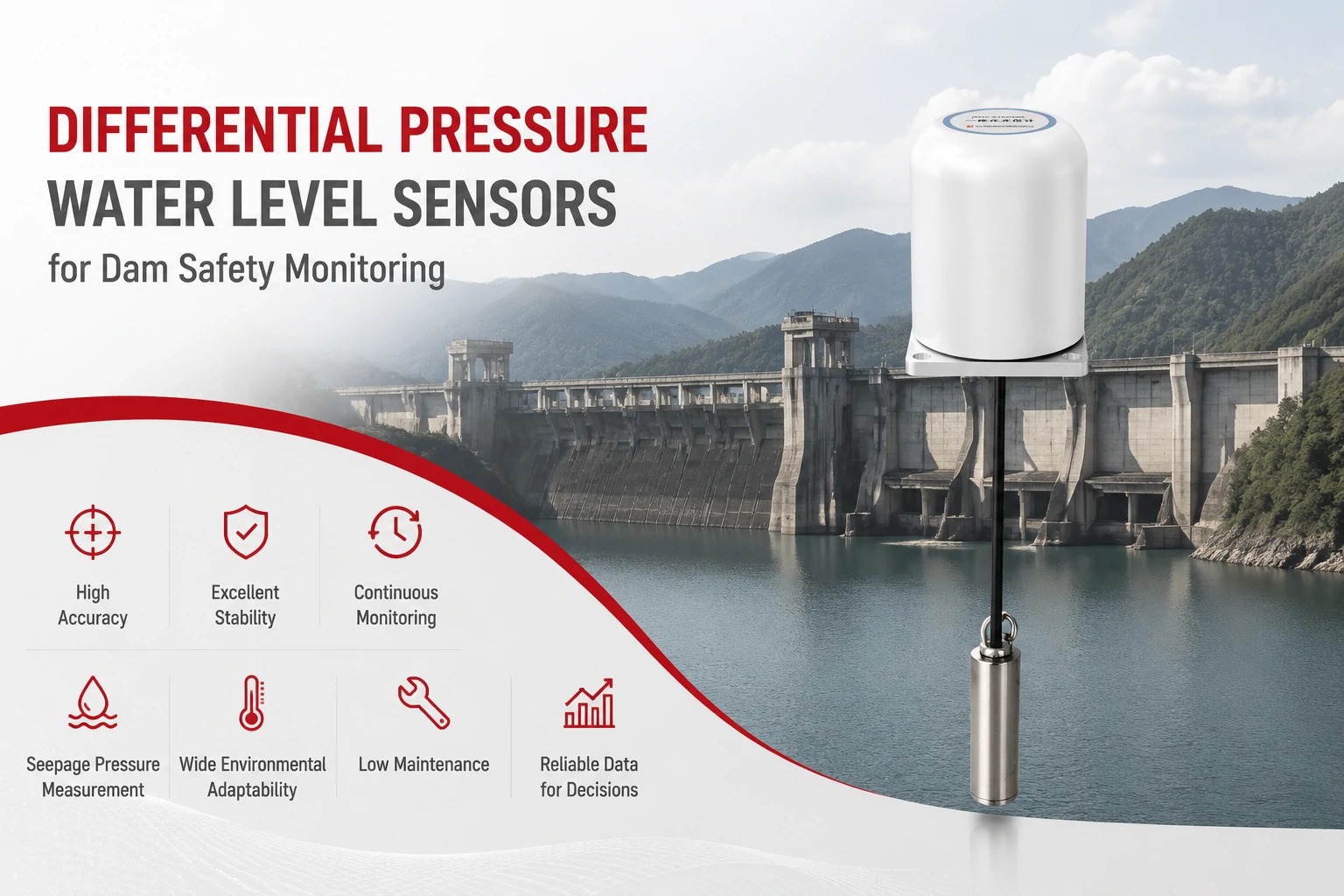
Key Takeaways The strongest fit is usually a confined, submerged, or s...
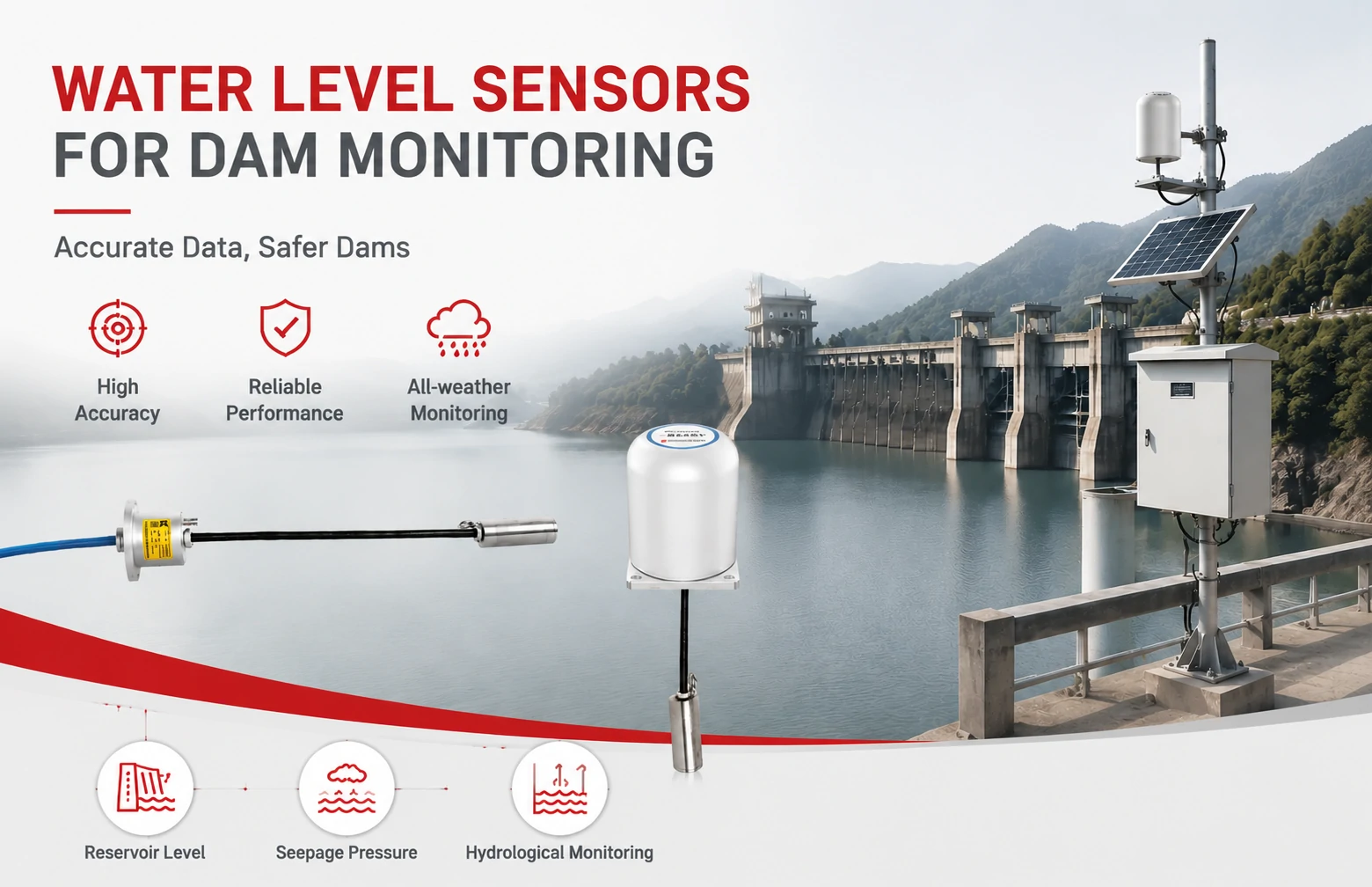
Kingmach Water Level Sensors for Dam Monitoring: A Buyer's Guide to Differential Pre...
Products
FAQ
Standard units cover 0 to 400 Hz, enough for most civil engineering dynamics. But we also have low-noise models that go down to DC for static tilt and vibration up to 2 kHz, useful for high-speed rail or blast monitoring. You tell us the application, and we align the sensing element and internal filtering accordingly.
Some customers pair our analog output sensors with their own LoRa or NB-IoT nodes. We can integrate a wireless module into the housing on request, but we are cautious: a badly shielded radio inside the sensor body can introduce noise. Our standard practice is to have a short pigtail cable to a separate ruggedized transmitter, which makes field servicing easier.
We ship every unit with a calibration sheet tied to its serial number. In the field, you can do a simple ±1 g flip test to check the baseline. For precise calibration, the sensor has a known scale factor and offset, and you can tweak these via the data logger or SCADA. Over years, drift is typically less than 0.01% full scale per year, based on our aging tests.
Direct bolting with an M6 or M8 stud gives the stiffest coupling for high-frequency measurements. We supply a stainless steel mounting plate with three adjustment screws for rough surfaces. On heritage structures where drilling is a problem, we have an aluminum bracket that bonds with structural epoxy. The key is to get the first natural frequency of the mounting assembly well above your measurement range—we check that as part of installation support.
Share your product type, target capacity, and application requirements. Our team can review the details and recommend a practical next step.
If you are interested in our products or want to become our partner.
Please leave your contact information, our team will contact you as soon as possible.
Mail: [email protected]
Contact Us: +8613808434127
Address: No. 188 Tongzipo West Rd, Changsha, Hunan, China