
 EN
EN
 ar
ar bg
bg hr
hr cs
cs da
da nl
nl fi
fi fr
fr de
de el
el hi
hi it
it ko
ko no
no pl
pl pt
pt ro
ro ru
ru es
es sv
sv tl
tl iw
iw id
id lv
lv lt
lt sr
sr sk
sk sl
sl uk
uk vi
vi et
et hu
hu th
th tr
tr fa
fa ms
ms hy
hy ka
ka ur
ur bn
bn mn
mn ta
ta kk
kk uz
uz ku
ku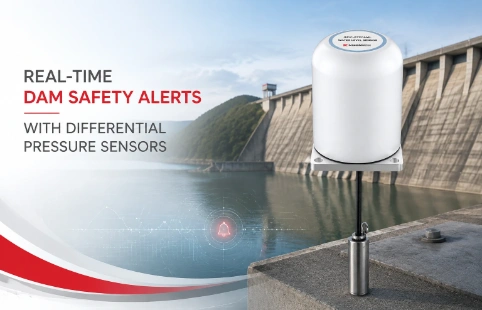
Real-Time Dam Safety Alerts with Differential Pressure Water Level Sensors
Key Takeaways An alert chain needs more than a sensor: define field in...

Cloud Integration for Data Loggers: Why It Matters
Most data loggers on site still need a person to go collect the data. If the slope is remote or the excavation is deep, that trip is not just time-consuming—it gets risky during a storm. Over the past few years, we’ve seen a clear shift at Kingmach: adding cloud to loggers. It’s not about dumping data online, but about letting engineers see tilt, settlement, or water level right from the office. That way, alerts trigger minutes earlier, which beats digging through records after the fact. Cloud integration also makes historical data easy to pull, and you can check device health remotely. Below, we break down the real problems this solves and what to watch for in common setups.
Technical Detail
At Kingmach, we build geotechnical instruments and the data loggers that keep them running. When a client asks about cloud integration, they’re usually tired of driving out to a site just to pull an SD card. The core of our approach is to make the logger talk to the cloud without extra gateways whenever possible. Most of our current loggers carry a 4G or NB-IoT module internally. They upload readings on a schedule—say every 10 minutes—and can push alerts the moment a threshold trips. On the software side, the cloud portal is set up for project-based device grouping. You get daily csv exports automatically, and the interface shows sensor status at a glance. If you already use a third-party monitoring platform, we can often customize the data protocol on the logger side to match. Because we control both the hardware firmware and the cloud API, common headaches like data dropped by a mismatched edge box disappear. For projects where public cloud makes people nervous, we also support private deployment, though that shifts a bit more cost onto the integrator. None of these pieces are rocket science on their own, but when you’re instrumenting a slope or a tunnel, getting them to play together reliably is what keeps alarms credible.
News
Key Takeaways An alert chain needs more than a sensor: define field in...
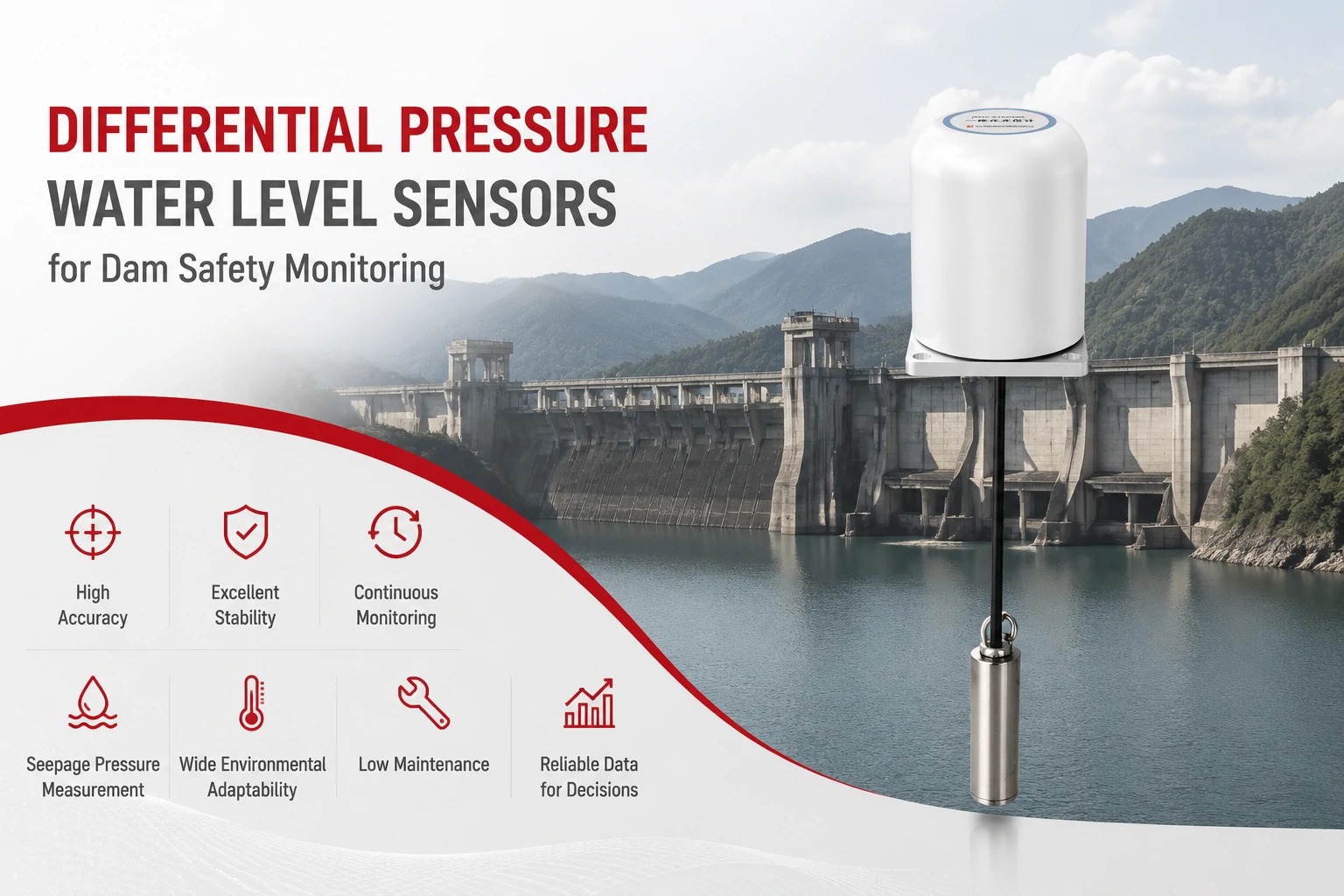
Key Takeaways The strongest fit is usually a confined, submerged, or s...
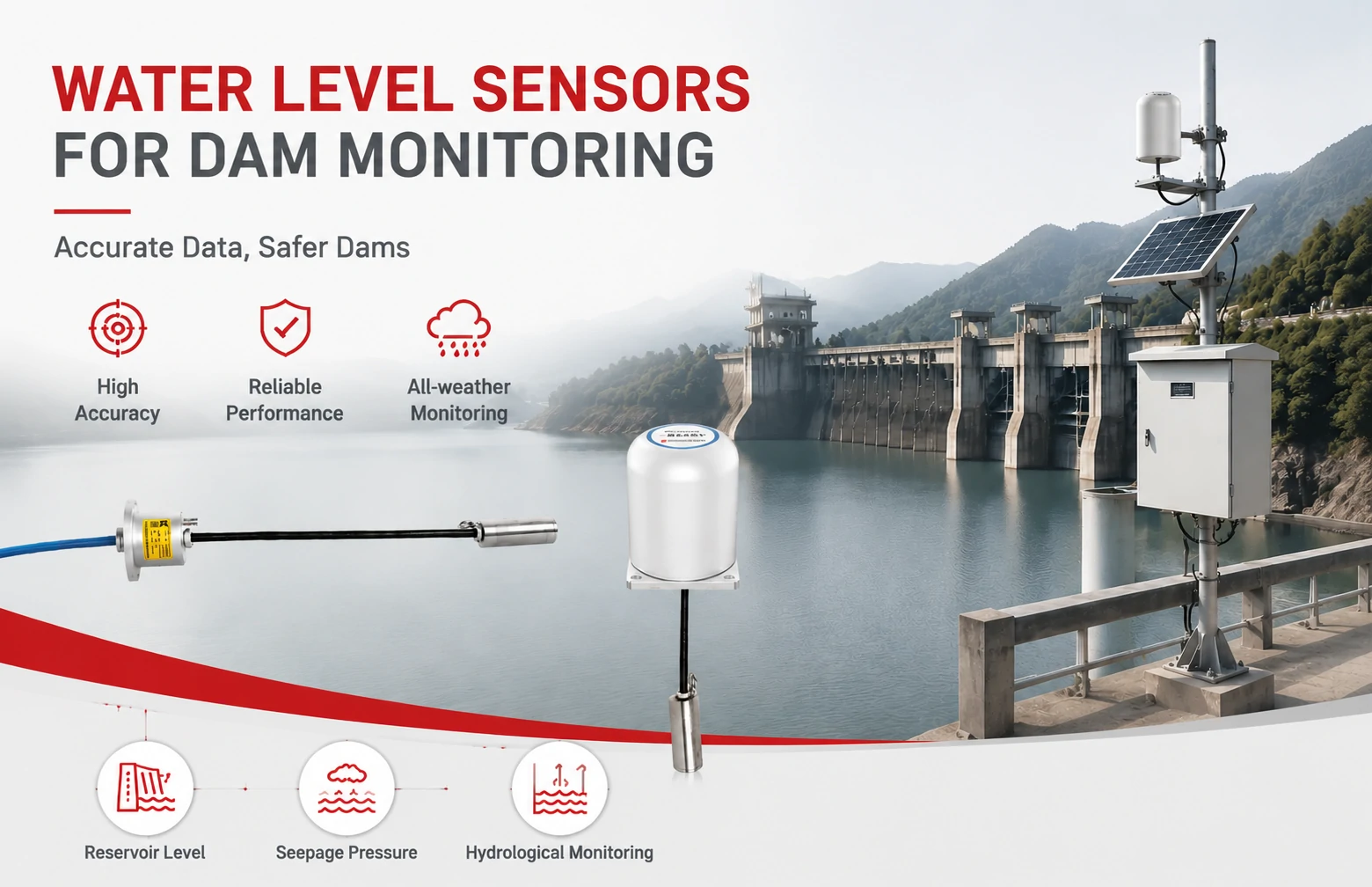
Kingmach Water Level Sensors for Dam Monitoring: A Buyer's Guide to Differential Pre...
Products
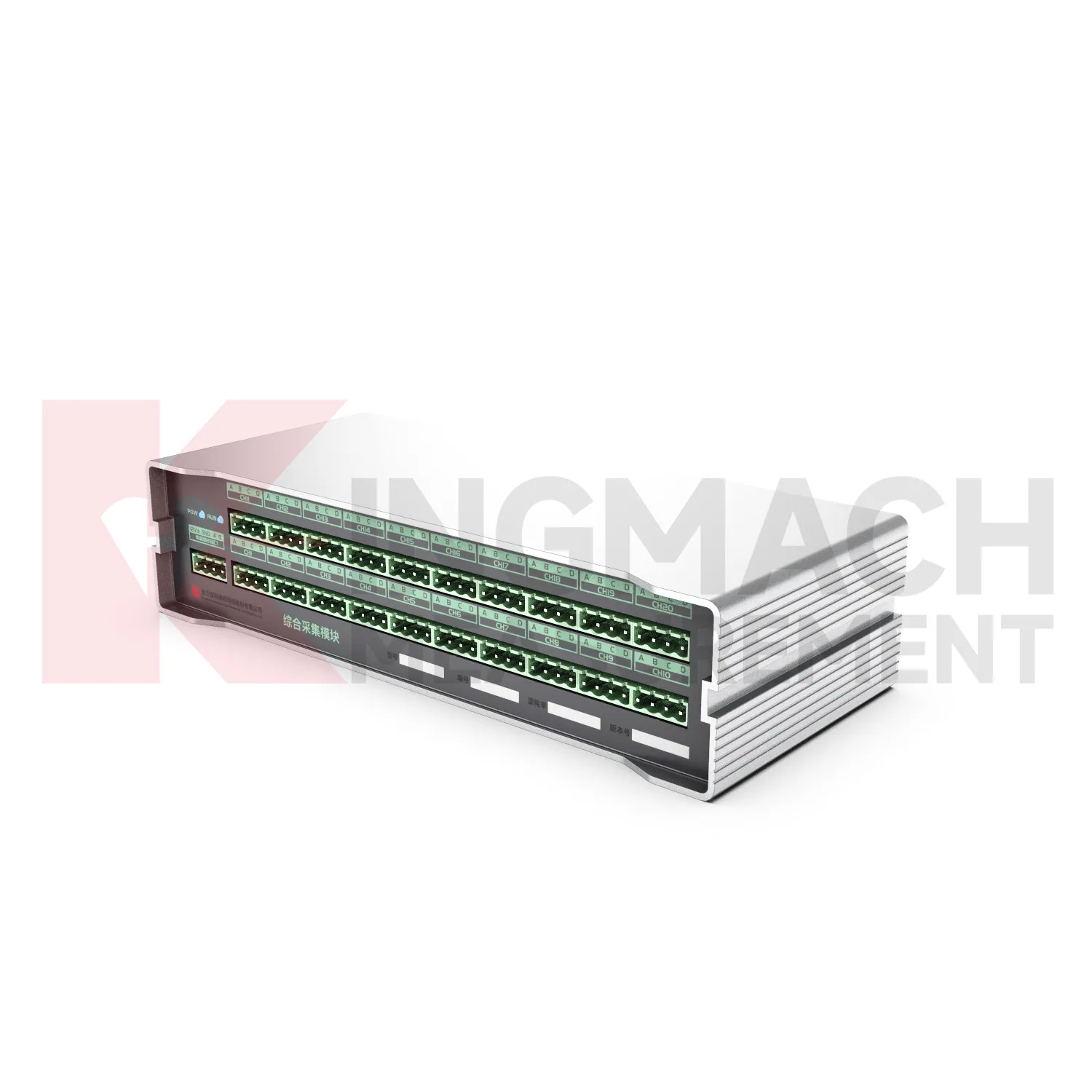
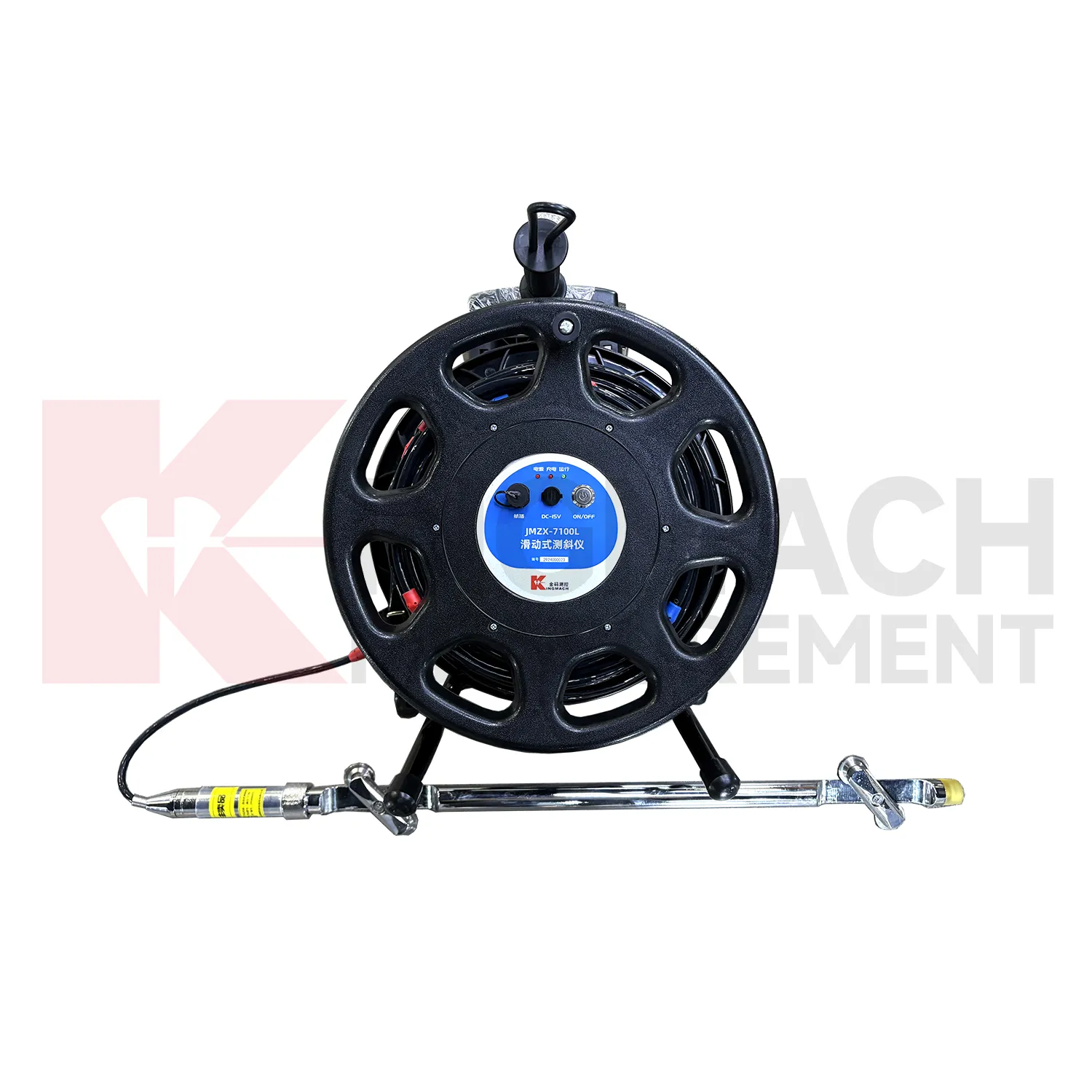
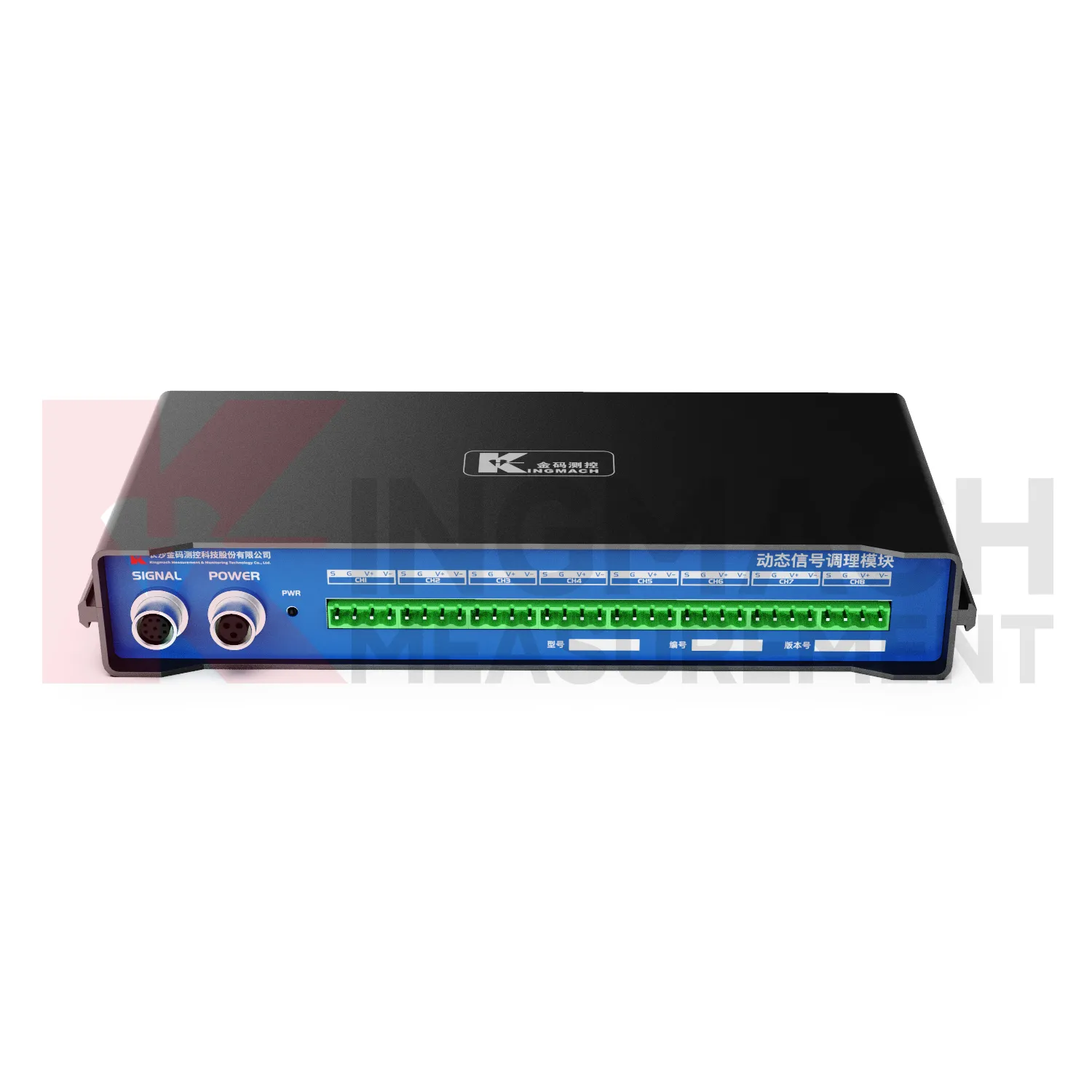
Dynamic signal conditioning moduleJMYD-2008XTA
View DetailsFAQ
Often yes. Many older loggers have a digital output like RS485. You can attach an external DTU or a Bluetooth gateway that forwards stored data. If the logger only has analog outputs and no digital interface at all, then a swap might be the simplest path.
We use TLS on the transport side and role-based access on the cloud side. Each Kingmach device ships with a unique key for authentication. In monitoring work, losing a data packet is usually a bigger risk than someone sniffing the stream, so channel stability gets the most attention.
Without signal, the logger stores data locally and backfills once the connection returns. For deep tunnels, we often pair a short-range radio like LoRa with a surface repeater that has a data link. A site survey first tells us which approach fits.
Most hardware comes with a base block of cloud service included. After that, it’s an annual renewal. Larger projects that want full data isolation can negotiate a private deployment, but that adds cost and requires the client to manage the server side.
Share your product type, target capacity, and application requirements. Our team can review the details and recommend a practical next step.
If you are interested in our products or want to become our partner.
Please leave your contact information, our team will contact you as soon as possible.
Mail: [email protected]
Contact Us: +8613808434127
Address: No. 188 Tongzipo West Rd, Changsha, Hunan, China