
 EN
EN
 ar
ar bg
bg hr
hr cs
cs da
da nl
nl fi
fi fr
fr de
de el
el hi
hi it
it ko
ko no
no pl
pl pt
pt ro
ro ru
ru es
es sv
sv tl
tl iw
iw id
id lv
lv lt
lt sr
sr sk
sk sl
sl uk
uk vi
vi et
et hu
hu th
th tr
tr fa
fa ms
ms hy
hy ka
ka ur
ur bn
bn mn
mn ta
ta kk
kk uz
uz ku
ku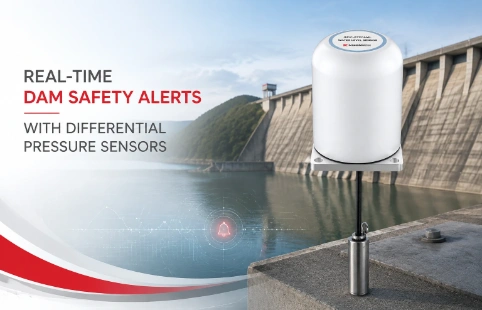
Real-Time Dam Safety Alerts with Differential Pressure Water Level Sensors
Key Takeaways An alert chain needs more than a sensor: define field in...

Reliable Crack Meters for Construction Monitoring
Tracking tiny shifts in concrete can mean the difference between minor repairs and structural failure. Crack meters give site crews and engineers direct feedback on how cracks behave over time, whether they’re opening and closing with temperature swings or widening under load. At Kingmach, we supply instruments that integrate into routine monitoring setups without adding complexity. Our range spans simple mechanical tell-tales to vibrating wire sensors, covering everything from basement foundation checks to long-term dam surveillance. The focus is on practical reliability: sensors that stay put in damp environments, give repeatable readings, and don’t demand constant recalibration. If you’re setting up a new monitoring point or retrofitting existing structures, getting the right crack meter often starts with understanding the specific movement range and resolution you actually need.
Technical Detail
Crack meters are deployed wherever structural integrity hinges on knowing whether a crack is dormant or actively propagating. In concrete, rock, and masonry, these instruments bridge both sides of a fracture to record displacement over time. Kingmach crack meters cover typical field requirements: measurement spans from a few millimetres to over 100 mm, with resolutions common in the 0.01 mm range for vibrating wire types. This resolution captures subtle seasonal movement as well as sudden shift events. Sensor bodies are typically built with stainless steel or anodized aluminum to resist corrosion, and many variants carry IP65 or higher ratings for outdoor use. Output options vary by model – vibrating wire frequency, 4–20 mA current loops, or digital RS485 – to feed data into manual readout units, dataloggers, or automated structural health monitoring networks. A key advantage is the modular design: brackets mount on uneven surfaces with threaded rods or grout, and the transducer can be swapped or recalibrated without demolishing the anchor points. This makes Kingmach crack meters a practical drop-in for both new construction monitoring programs and remedial measurement on aging infrastructure. Given the harsh environments they often face, these sensors are sealed against dust and water ingress, and temperature-compensated to isolate real structural deformation from thermal expansion of the materials themselves. For teams managing multiple monitoring points across a site, the interchangeability of connectors and readout equipment reduces the training and troubleshooting time, keeping field work efficient.
News
Key Takeaways An alert chain needs more than a sensor: define field in...
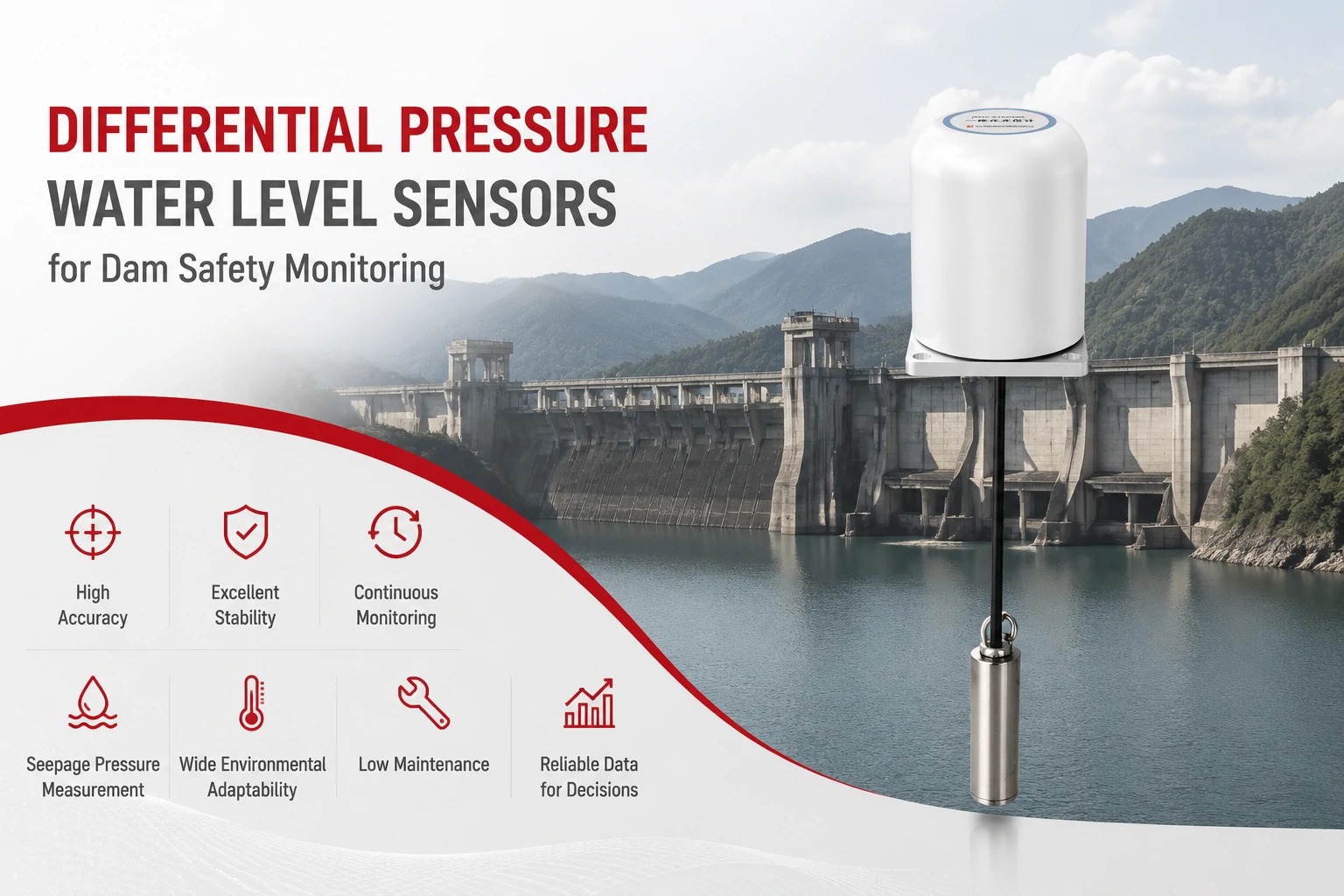
Key Takeaways The strongest fit is usually a confined, submerged, or s...
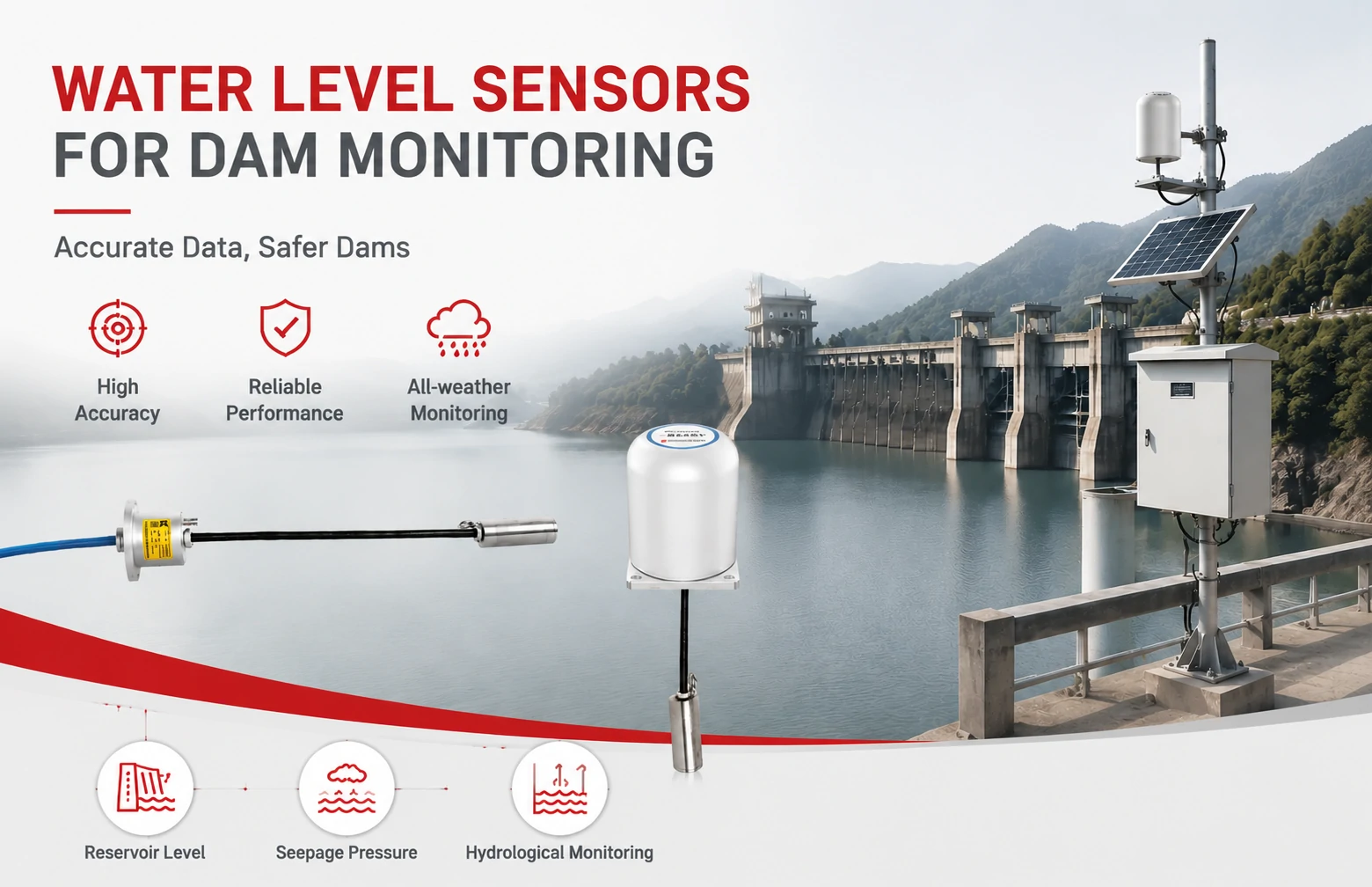
Kingmach Water Level Sensors for Dam Monitoring: A Buyer's Guide to Differential Pre...
Products
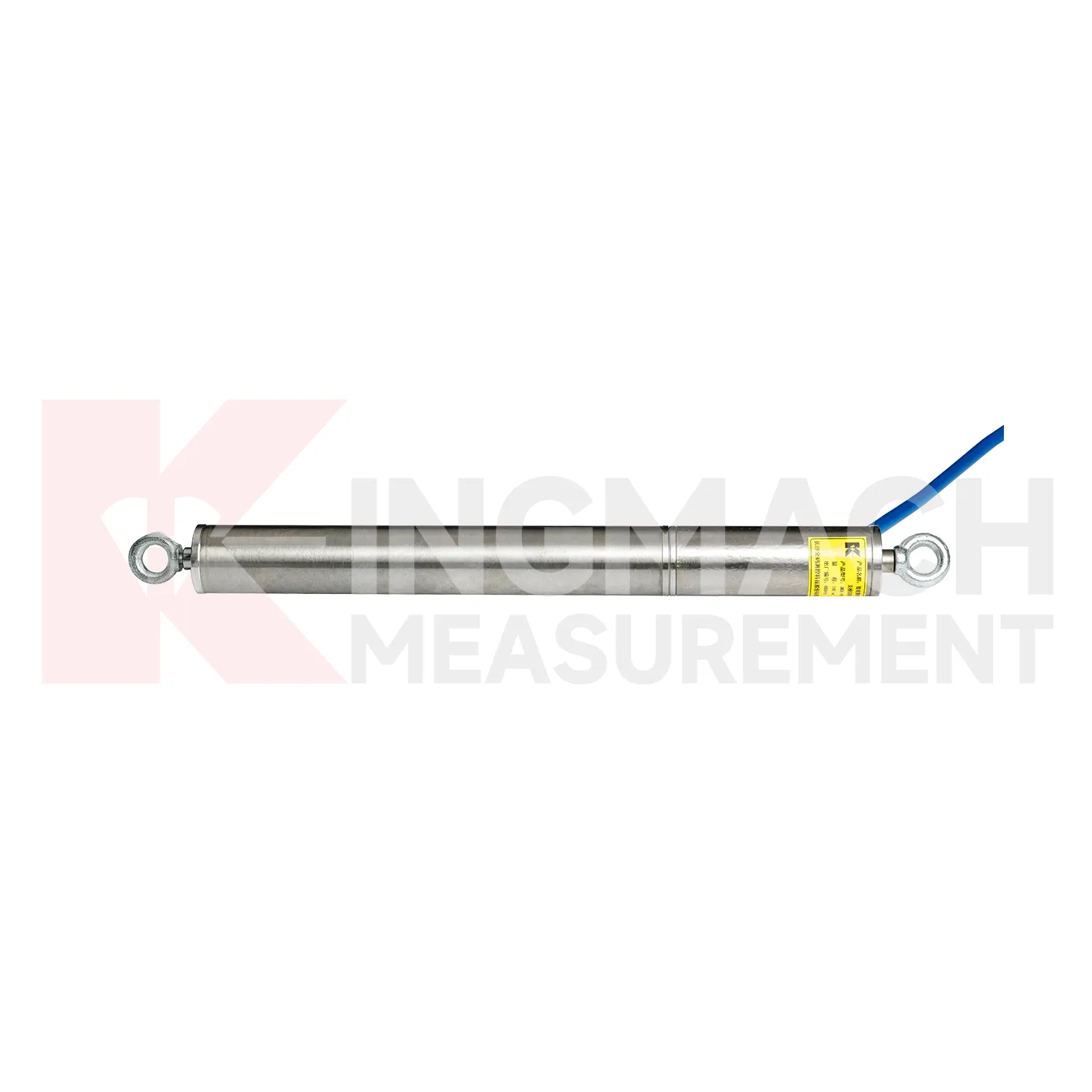
Smart Formwork Displacement Meter/ Steel Wire Displacement Meter JMDL-49XXAT
View Details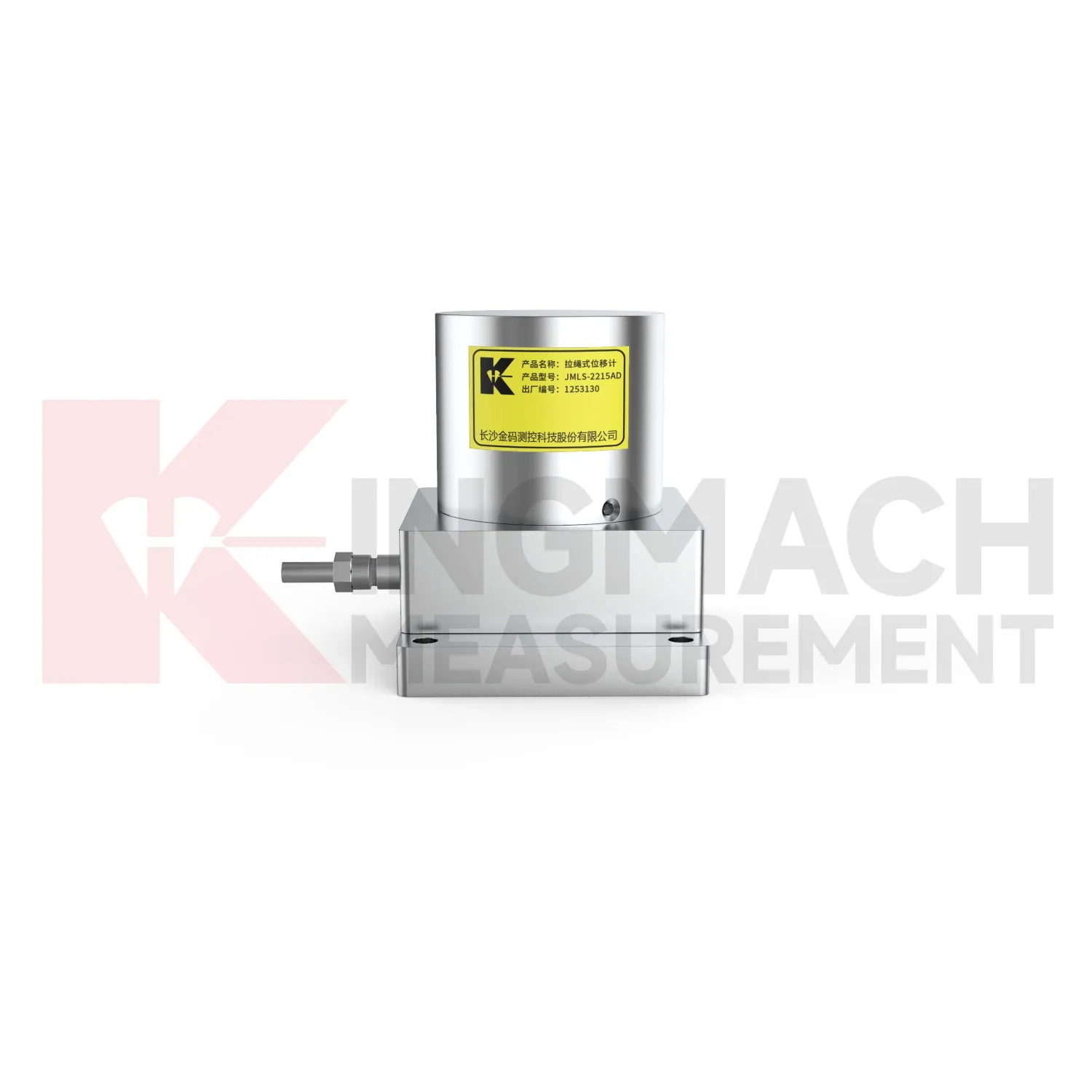
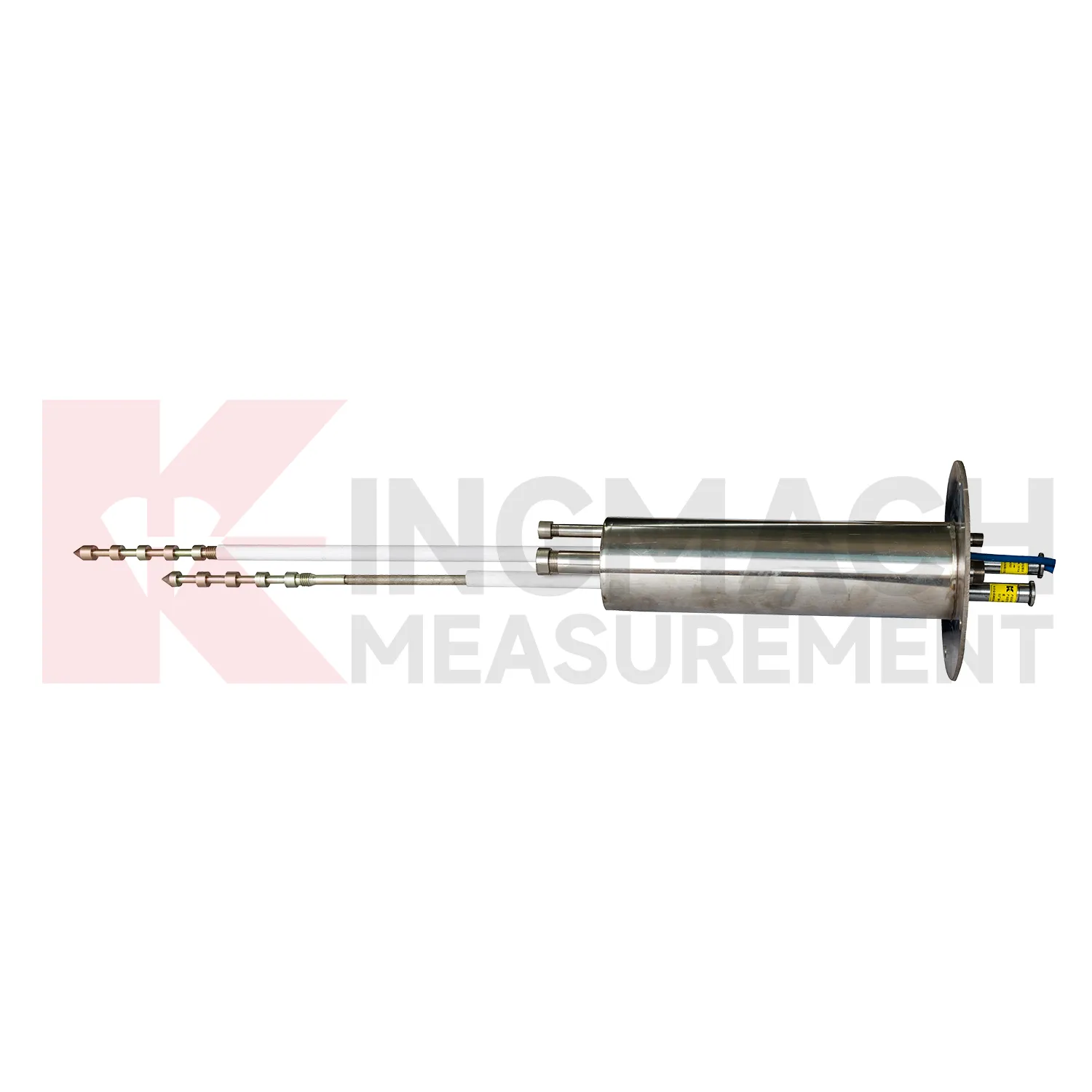
Smart Multipoint Displacement Meter JMDL-31XXAT
View DetailsFAQ
A crack meter is specifically designed to be mounted across an existing crack or joint, normally with two anchor points on either side. It measures only the opening or closing movement perpendicular to the crack plane. Displacement transducers are more general and can measure linear movement between any two points, but they often lack the built-in mounting brackets and weather protection that crack meters come with.
Look at the crack’s maximum expected movement, not just its current width. For seasonal opening in concrete, add 50% to the estimated annual peak-to-peak displacement. For new construction where thermal or settlement cracks are anticipated, engineers often pick 25–50 mm ranges. Long-term monitoring on large structures like dams might require up to 100 mm or more. Give yourself headroom so the sensor doesn’t bottom out.
Most Kingmach crack meters are sealed to IP67 or higher, meaning they handle temporary submersion and constant dampness. If you’re monitoring a rock face behind a waterfall or a tunnel invert that’s often wet, confirm the IP rating and the cable gland protection rating. For permanent submersion, extra sealing steps or specialized submersible models may be needed.
Vibrating wire models can be read with a portable handheld reader, which is simple for manual weekly checks. For automated logging, connect to a compatible datalogger that stores readings at set intervals. Our sensors with 4–20 mA or RS485 outputs plug directly into data acquisition systems, SCADA networks, or wireless nodes. Choose based on how often you need readings and your existing site infrastructure.
Anchor the bracket into sound concrete away from the crack edges, where spalling might occur. Use chemical anchors or expansion bolts rated for the wall’s material. Make sure the sensor body is parallel to the direction of movement you want to measure – even a slight angle can introduce off-axis errors. Protect the cable with conduit if it’s exposed to traffic or sunlight, and record the initial zero reading as soon as the meter is fixed before any more load or weather cycles hit the structure.
Share your product type, target capacity, and application requirements. Our team can review the details and recommend a practical next step.
If you are interested in our products or want to become our partner.
Please leave your contact information, our team will contact you as soon as possible.
Mail: [email protected]
Contact Us: +8613808434127
Address: No. 188 Tongzipo West Rd, Changsha, Hunan, China