
 EN
EN
 ar
ar bg
bg hr
hr cs
cs da
da nl
nl fi
fi fr
fr de
de el
el hi
hi it
it ko
ko no
no pl
pl pt
pt ro
ro ru
ru es
es sv
sv tl
tl iw
iw id
id lv
lv lt
lt sr
sr sk
sk sl
sl uk
uk vi
vi et
et hu
hu th
th tr
tr fa
fa ms
ms hy
hy ka
ka ur
ur bn
bn mn
mn ta
ta kk
kk uz
uz ku
ku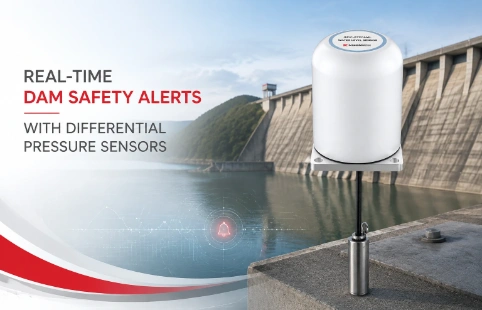
Real-Time Dam Safety Alerts with Differential Pressure Water Level Sensors
Key Takeaways An alert chain needs more than a sensor: define field in...

Settlement Gauges for Long-Term Ground Monitoring
When an embankment settles, it’s often a slow process that goes unnoticed until cracks appear. Settlement gauges track this movement early, giving engineers hard numbers on vertical displacement. Kingmarch supplies a range of these instruments, built for sites where reliable monitoring matters—whether it’s a highway foundation, a mine tailings dam, or a deep excavation. The sensors don’t just detect settlement; they measure its rate and distribution over months or years. Custom configurations are common, adapting to borehole depths, soil types, and readout methods. Instead of one-size-fits-all, you get a gauge that fits the actual conditions on your job.
Technical Detail
Kingmarch Measurement & Monitoring Technology Co., Ltd. produces settlement gauges as part of a broader geotechnical instrument lineup. These devices log vertical movement in soil, rock, and structural backfill. The company uses several sensing principles—magnetic reed switches for discreet point monitoring, vibrating wire pressure cells for liquid-level systems, and mechanical rods for direct reading. This variety means one project might use magnetic probes in a deep borehole, while another installs a horizontal line of liquid-level gauges under a railway embankment. Components are typically stainless steel, with epoxy-potted electronics to handle wet conditions. Outputs match common data logger inputs, so feeding readings into a central monitoring system is straightforward. Cable lengths, mounting brackets, and terminal boxes are often adjusted to project specs. Kingmarch ships from a central warehouse network and maintains after-sales support through regional partners. For engineers who need consistent data without overspending, the company offers a practical middle ground between low-cost manual gauges and high-end automated systems.
News
Key Takeaways An alert chain needs more than a sensor: define field in...
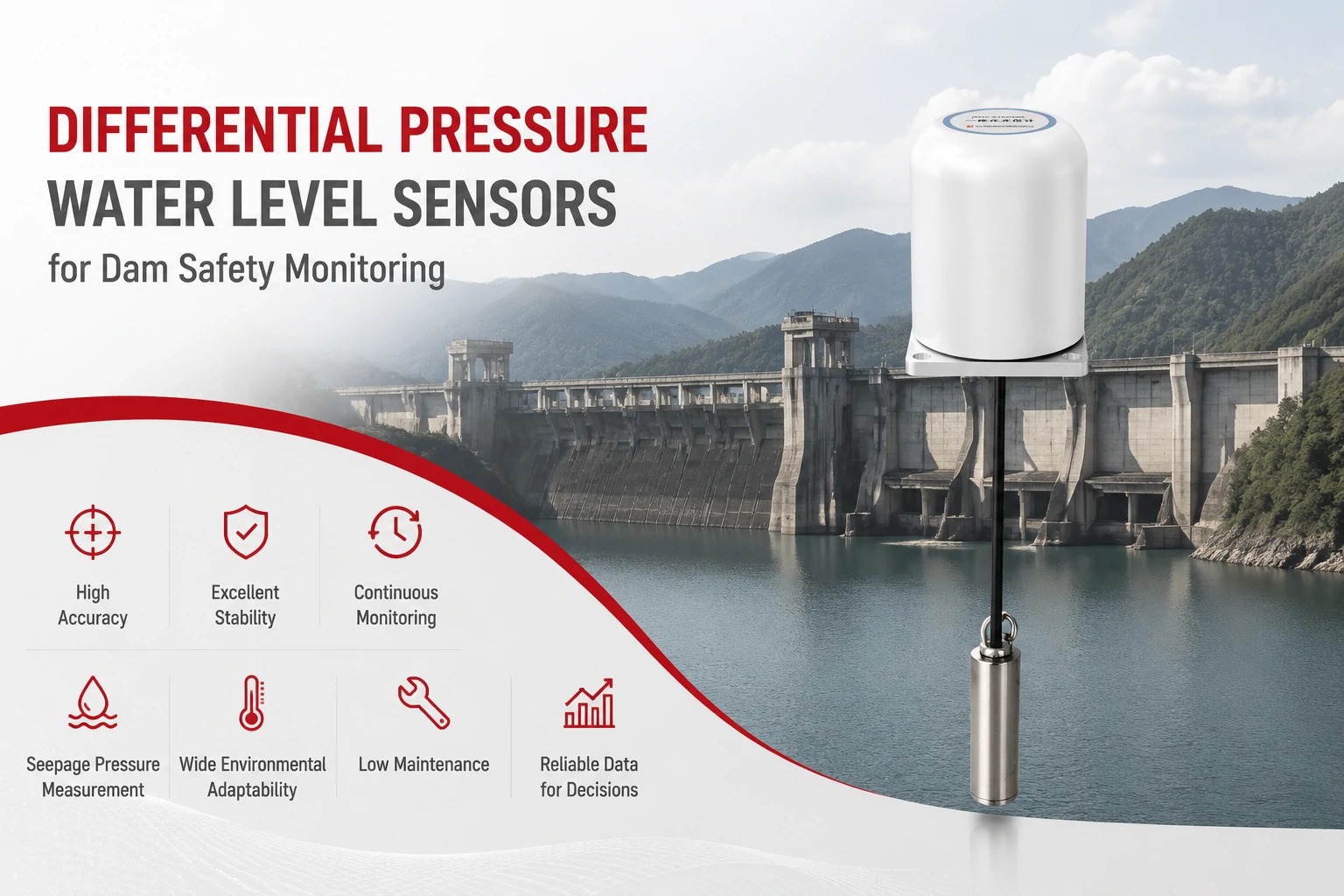
Key Takeaways The strongest fit is usually a confined, submerged, or s...
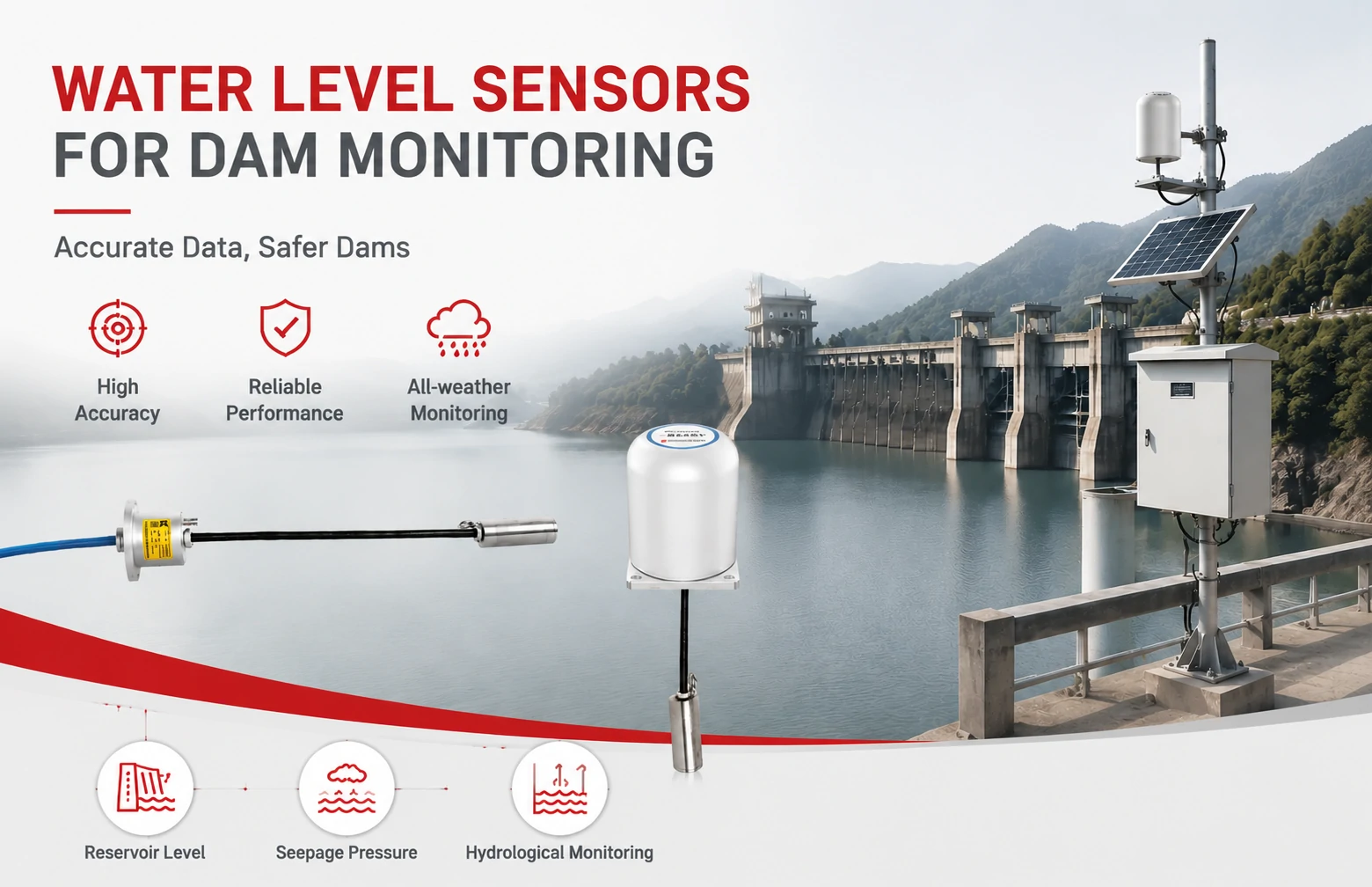
Kingmach Water Level Sensors for Dam Monitoring: A Buyer's Guide to Differential Pre...
Products
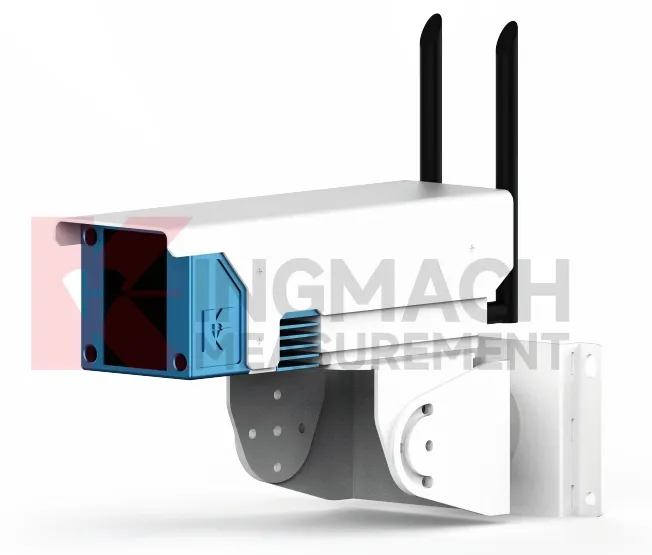
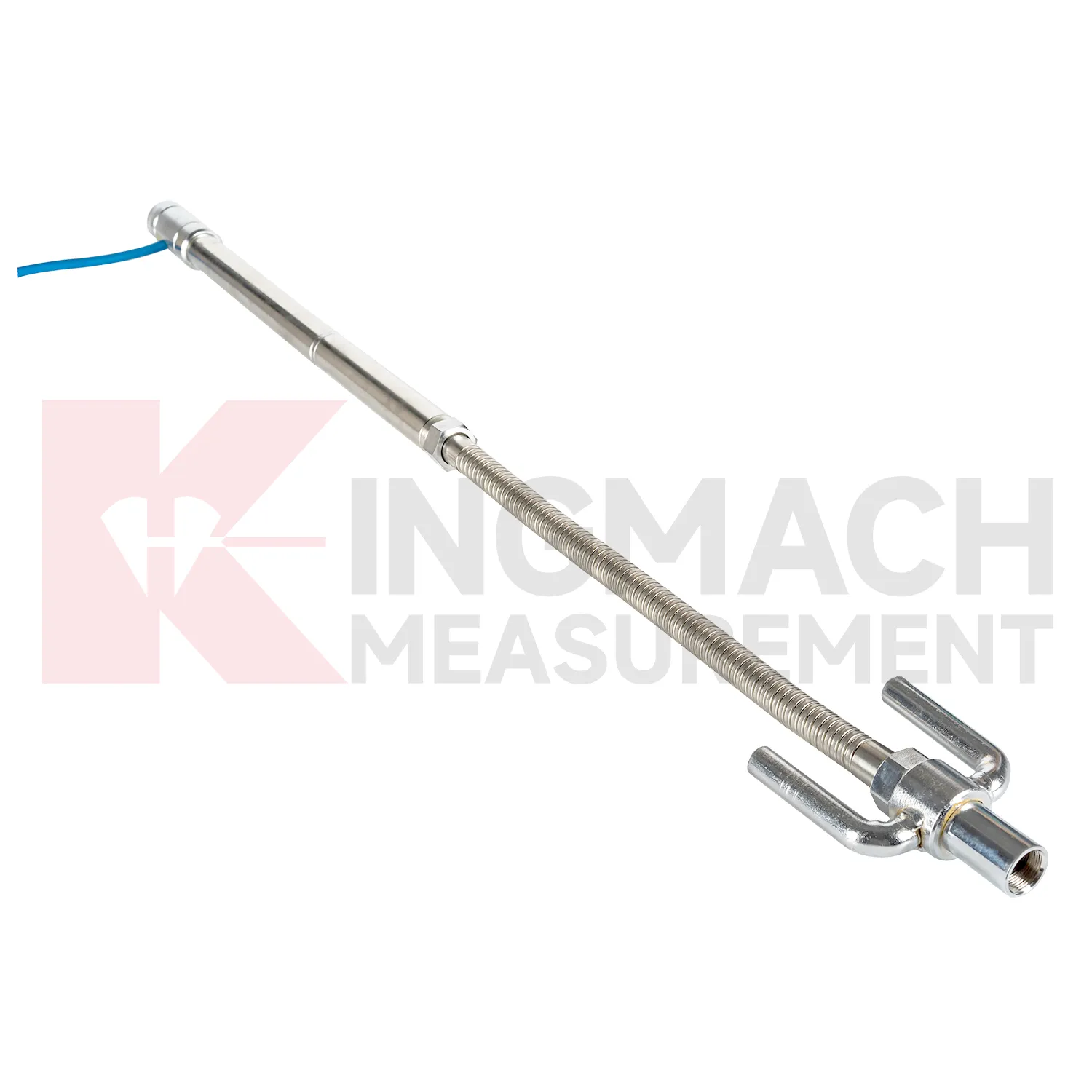
Smart Single-Point Settlement Gauge JMDL-47XXAT
View Details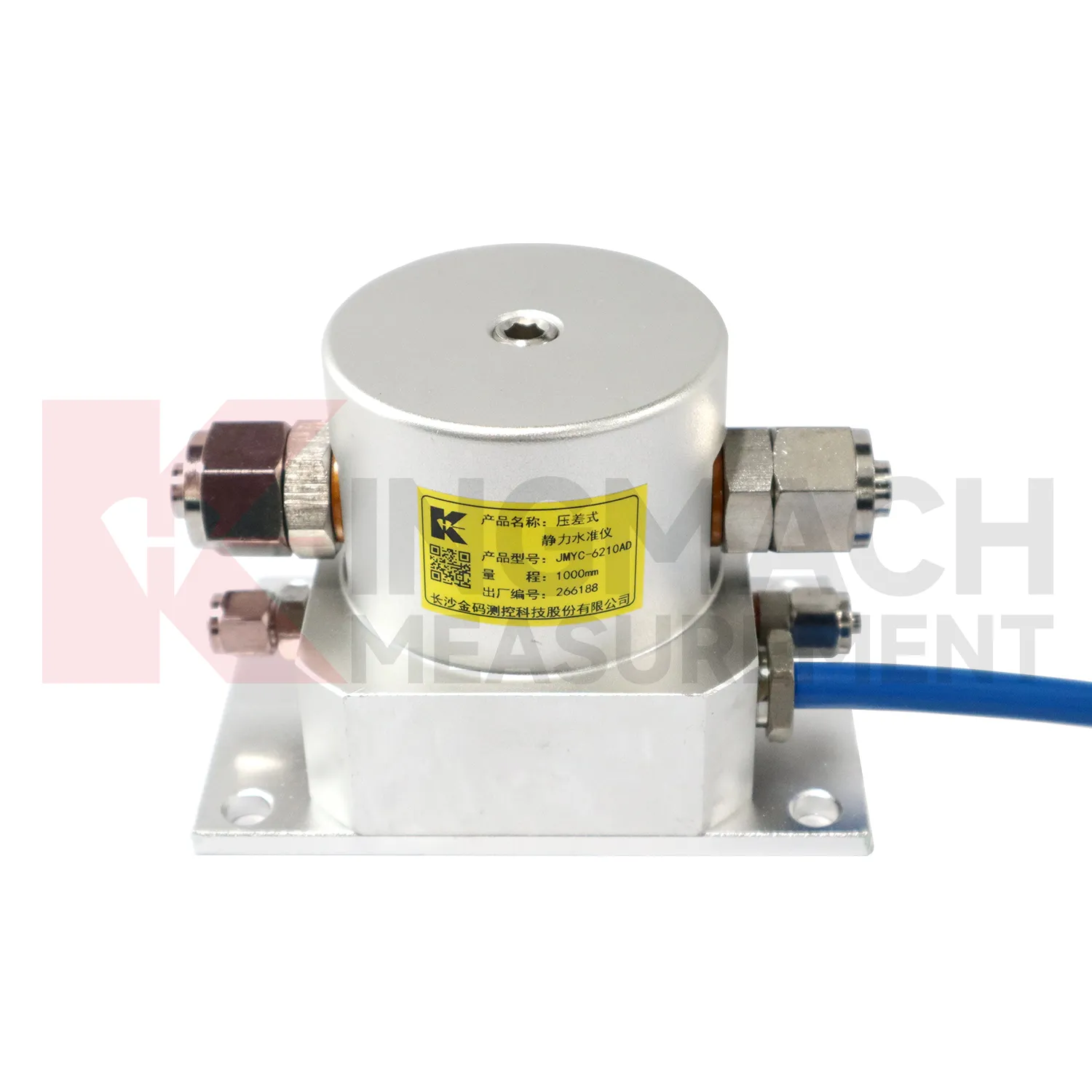
Wide-Range Differential Pressure Hydrostatic Level Sensor JMYC-62XXAD
View DetailsFAQ
Magnetic gauges lower a probe into a borehole to find magnetic rings fixed along the casing, giving point measurements at set depths. Liquid-level systems use a pressure transmitter in a fluid-filled tube to detect changes in hydrostatic head, so they can monitor a continuous profile. Magnetic setups are simpler to install and cost less upfront, but liquid-level gauges lend themselves better to automated, long-term monitoring along a horizontal line.
Yes, most models output analog voltage or digital signals that fit standard geotechnical loggers. We supply wiring details and can recommend compatible logging equipment for remote or real-time data collection.
Consider the depth you need to monitor and how many points you want. For deep single-point monitoring, magnetic gauges with long cables work well. If you need a vertical profile with sensors every few meters, a multi-point vibrating wire system might be better. Our application engineers can review your borehole logs and suggest a configuration—including lengths, materials, and readout options.
Typical resolution falls within 1–2 mm for most models under field conditions. Magnetic gauges depend on the probe’s sensitivity and the operator’s technique; liquid-level systems can be more precise but are sensitive to temperature changes. We calibrate each gauge before shipping and include a calibration sheet so you know the baseline.
We provide written guides and can arrange on-site or remote training for your crew. Proper grouting and alignment are critical to avoid measurement drift, so we walk you through those steps and can review your installation plan beforehand.
Share your product type, target capacity, and application requirements. Our team can review the details and recommend a practical next step.
If you are interested in our products or want to become our partner.
Please leave your contact information, our team will contact you as soon as possible.
Mail: [email protected]
Contact Us: +8613808434127
Address: No. 188 Tongzipo West Rd, Changsha, Hunan, China