
 EN
EN
 ar
ar bg
bg hr
hr cs
cs da
da nl
nl fi
fi fr
fr de
de el
el hi
hi it
it ko
ko no
no pl
pl pt
pt ro
ro ru
ru es
es sv
sv tl
tl iw
iw id
id lv
lv lt
lt sr
sr sk
sk sl
sl uk
uk vi
vi et
et hu
hu th
th tr
tr fa
fa ms
ms hy
hy ka
ka ur
ur bn
bn mn
mn ta
ta kk
kk uz
uz ku
ku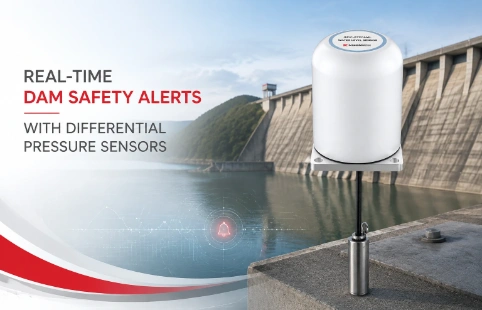
Real-Time Dam Safety Alerts with Differential Pressure Water Level Sensors
Key Takeaways An alert chain needs more than a sensor: define field in...

Optical Displacement Sensors for Long-Term Monitoring Projects
Optical displacement sensors have become a practical choice in monitoring infrastructure where traditional contact methods fall short. In tunnels, bridges, and landslide-prone slopes, small shifts in position need to be caught early, often under challenging conditions. A sensor that doesn’t physically touch the structure and can work at range brings real advantages—less wear, immunity to electrical noise, and the ability to monitor points that are hard to reach. Kingmach supplies optical displacement sensors that fit into these applications without overcomplication. Our range covers the common needs: laser-based triangulation for sub-millimeter resolution, and LED-based models for cost-sensitive projects where long-term stability matters more than extreme precision. Every sensor we ship has been validated on actual job sites, not just in a lab. If standard specs don’t match your requirement, we can adjust measurement range, output signal, or mounting options. This isn’t about selling the highest-end spec sheet. It’s about getting reliable displacement data at a cost that makes sense for ongoing monitoring. Whether you’re instrumenting a new tunnel or adding backup sensors to an aging bridge, our team can help you pick and set up the right optical sensor.
Technical Detail
An optical displacement sensor measures the distance or change in position of a target without physical contact, using light. Most industrial units work by projecting a laser spot or structured light onto the surface and analyzing the reflection with a position-sensitive detector. This principle allows for fast, precise readings even on moving or vibrating targets. All that matters is a clear line of sight. In geotechnical and structural monitoring, optical displacement sensors are often installed to track crack opening, joint movement, or deflection in concrete and steel. Compared to potentiometric or LVDT sensors, optical versions don’t introduce friction or wear, and they can be placed farther from the target—useful when monitoring a bridge beam from a pier, or a rock face from a safe distance. Resolution down to 0.1µm is achievable with laser models, while LED-based sensors offer stable readings at a lower cost. Kingmach has been supplying measurement instruments to civil engineering projects for years. Our optical displacement sensors are built for field use: rugged housings, IP67 or higher, with temperature compensation to handle outdoor swings. We stock standard models with ranges from 10mm to 500mm and analog or digital outputs. Custom configurations—like extended cable lengths, specific connectors, or mounting brackets for odd geometries—are available because many sites don’t match textbook layouts. Choosing a sensor isn’t just about data sheets. It’s about whether it will keep working after a storm, if the data can plug directly into your logger, and if support is there when you need it. Kingmach maintains a global distributor network and provides technical guidance in English, Spanish, and Mandarin. For bulk orders or long-term project supply, we can optimize packaging and delivery schedules to keep your site running. We don’t claim to reinvent optics. We just make sure the sensors you get do what they’re supposed to, without surprises.
News
Key Takeaways An alert chain needs more than a sensor: define field in...
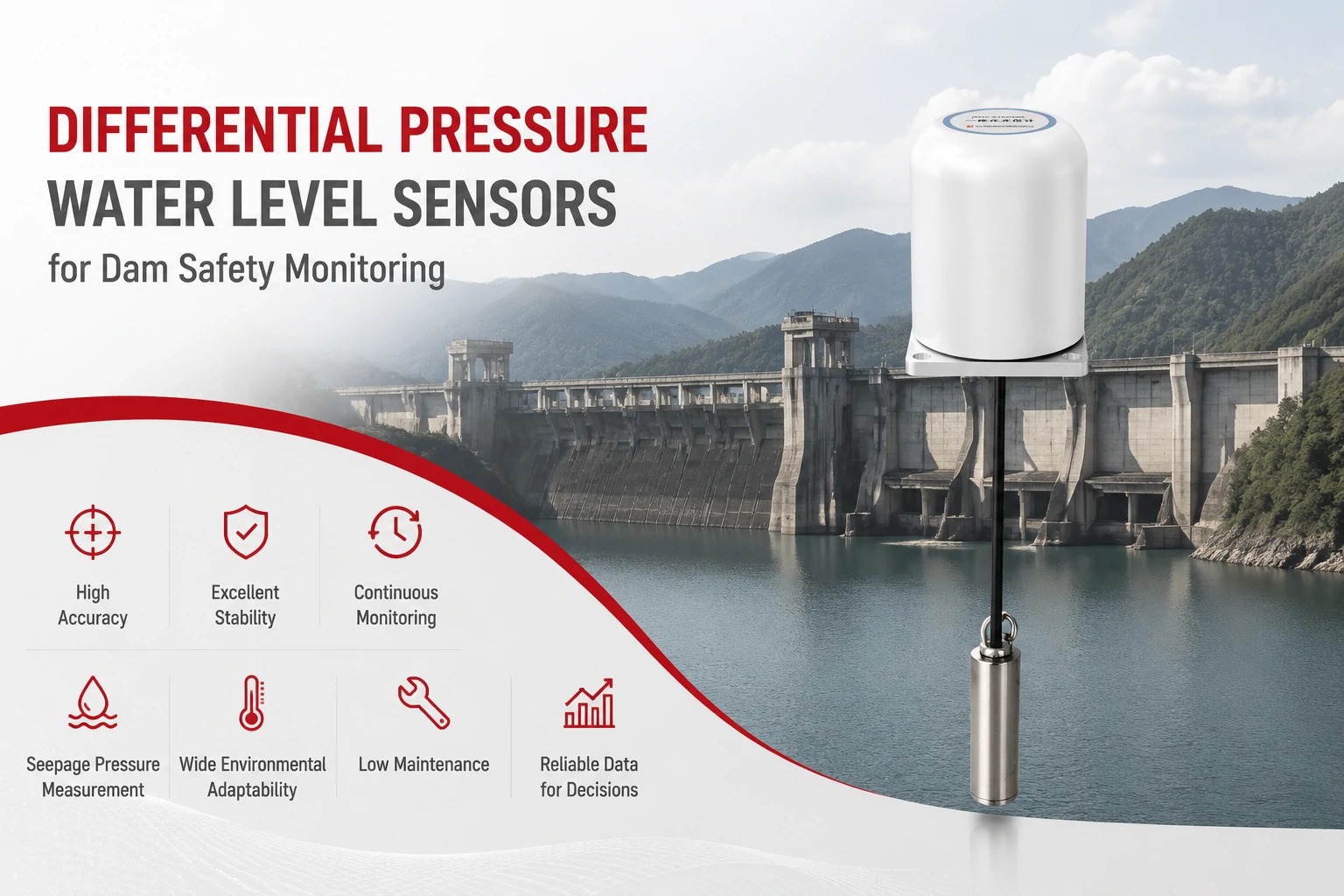
Key Takeaways The strongest fit is usually a confined, submerged, or s...
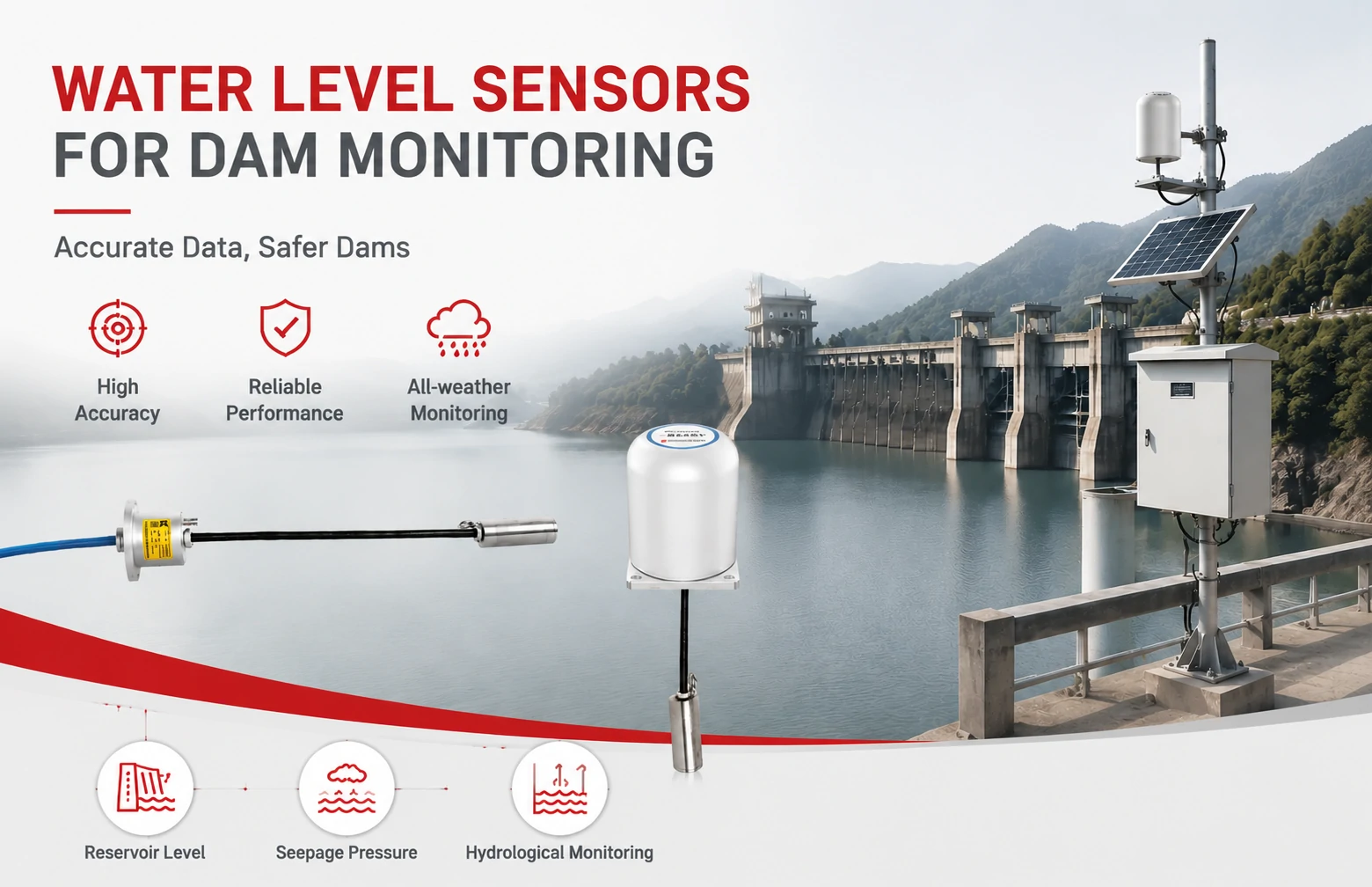
Kingmach Water Level Sensors for Dam Monitoring: A Buyer's Guide to Differential Pre...
Products
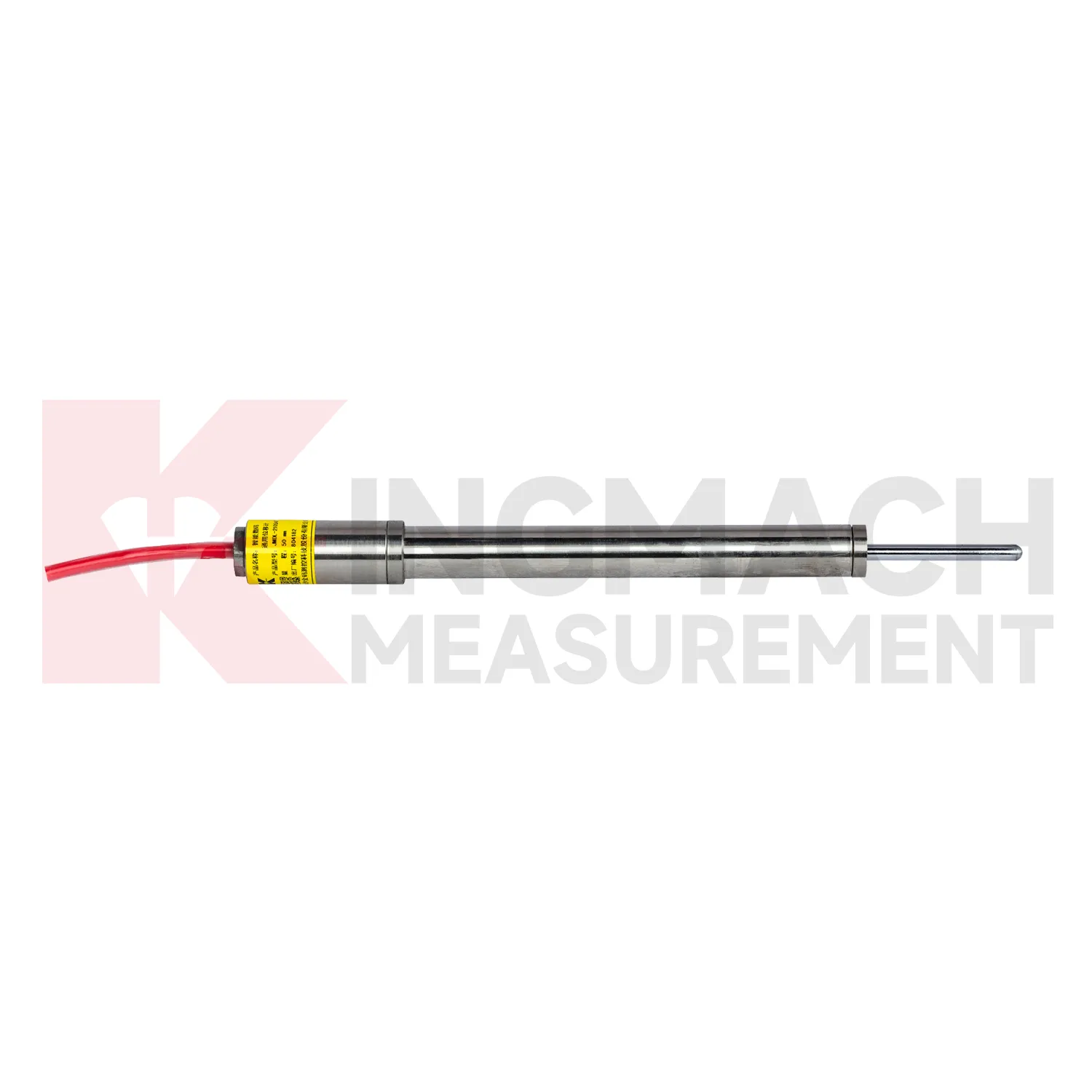
Smart General-Purpose Displacement MeterJMDL-21XXAT
View Details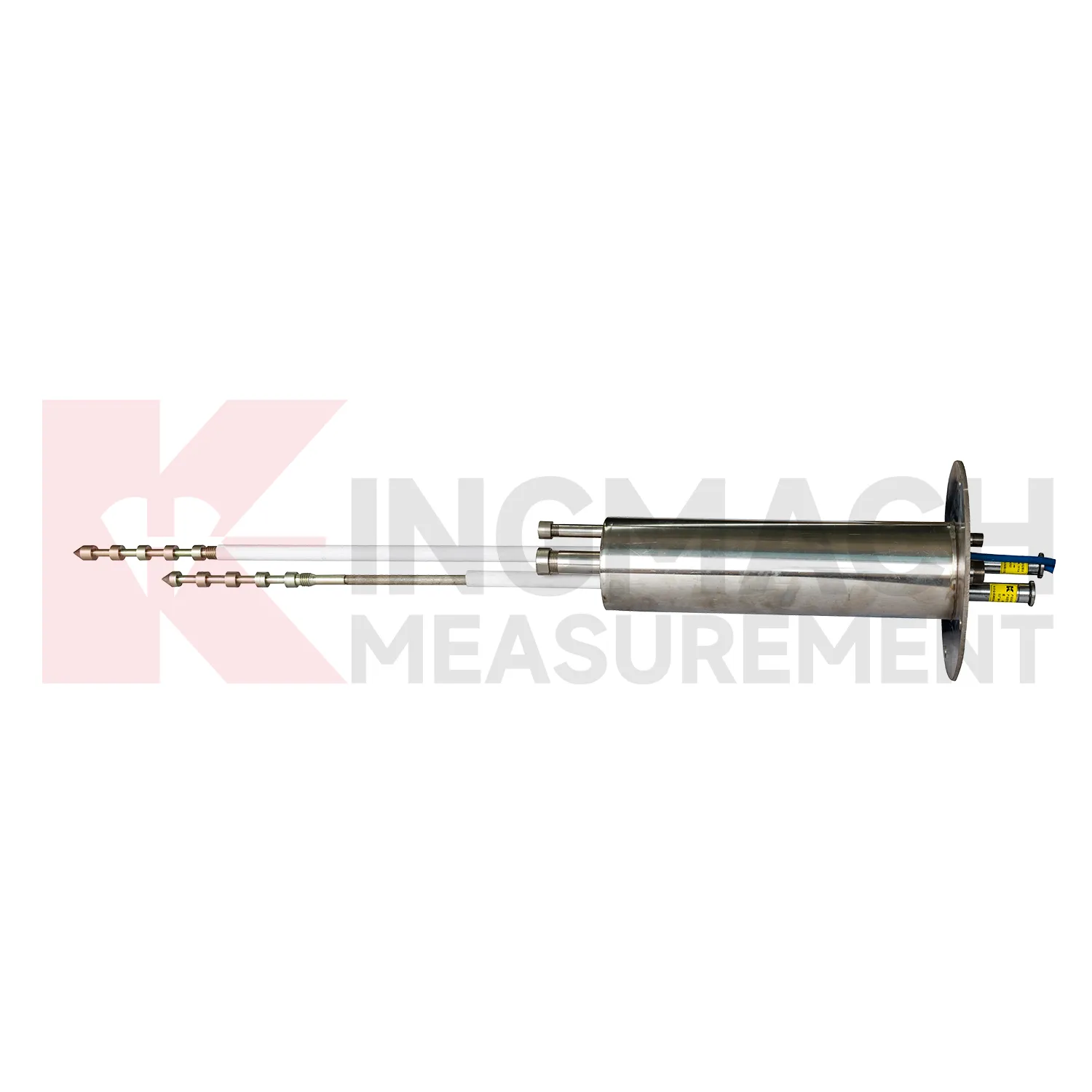
Smart Multipoint Displacement Meter JMDL-31XXAT
View Details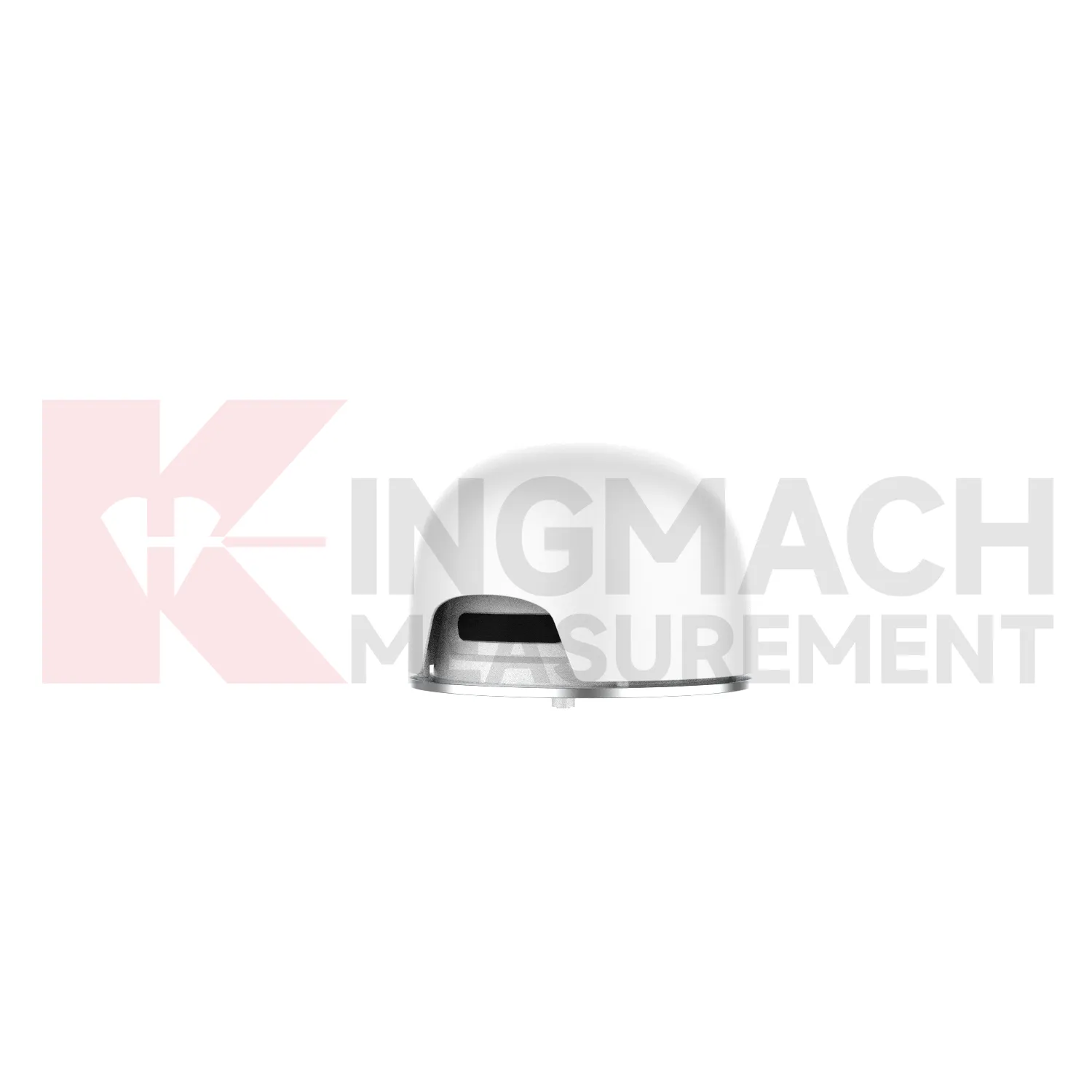
FAQ
A laser sensor measures distance without touching the target, so there’s no mechanical loading that could disturb the object. LVDTs need physical contact and a guided core, which introduces friction and potential wear. In long-term monitoring, optical sensors avoid these issues and can be set up from a distance, which is often safer on unstable terrain.
Dust, mist, or heavy rain can scatter the light and degrade readings. For permanent outdoor installations, we recommend using sensors with a visible laser spot and robust signal processing that can identify and reject transient obstructions. In very dusty environments, adding a protective tube and periodic lens cleaning is standard practice.
Start with the expected movement range plus a safety margin. If you’re monitoring a crack that might open 5mm, a 10mm or 20mm range sensor gives headroom without losing resolution. For larger displacements like bridge bearing movement, ranges up to 500mm are common. The key is matching the sensor’s measurement range to the actual dynamics of the structure—oversizing can cost you resolution.
Most of our sensors output industry-standard signals: 0-10V, 4-20mA, or RS-485. They can connect directly to common Campbell Scientific, National Instruments, or custom PLC-based loggers. If your system uses a different protocol, we can often adapt the output. Let us know your logger model and we’ll confirm compatibility.
The main task is keeping the lens clean. In dusty or rainy locations, a scheduled wipe-down every few months usually suffices. Some models include a reference target for in-situ calibration checks. We also provide remote diagnostics support if readings start drifting unexpectedly. Beyond that, solid-state electronics mean they don’t require regular recalibration under normal conditions.
Share your product type, target capacity, and application requirements. Our team can review the details and recommend a practical next step.
If you are interested in our products or want to become our partner.
Please leave your contact information, our team will contact you as soon as possible.
Mail: [email protected]
Contact Us: +8613808434127
Address: No. 188 Tongzipo West Rd, Changsha, Hunan, China